Can You Bring a Vape on a Plane? Complete TSA Rules & Packing Guide for Traveler
Traveling with your vape requires understanding TSA regulations and airline policies to avoid confiscation or fines. Yes, you can bring vapes on planes, but only in carry-on luggage—never in checked bags. This restriction exists because vaping devices contain lithium-ion batteries that pose fire risks in cargo holds. Whether you use disposable vapes, pod systems, or advanced mods, the same rules apply across all US airports. This guide covers everything travelers need to know about packing vapes safely, complying with e-liquid restrictions, and navigating international vaping laws.
Can You Bring a Vape on a Plane?
You can bring a vape on a plane, but it must be packed in your carry-on luggage or personal item—never in checked baggage. The Transportation Security Administration (TSA) and Federal Aviation Administration (FAA) classify electronic smoking devices as hazardous materials due to their lithium-ion batteries.
Let's explore the specific regulations that govern vaping devices during air travel.

What Does TSA Say About Vaping Devices on Flights?
The TSA explicitly permits electronic cigarettes and vaping devices in carry-on bags only. According to official TSA guidelines, all battery-powered smoking devices including e-cigarettes, vape pens, pod systems, and mods must remain in the passenger cabin where crew can respond immediately if a battery malfunctions.
The agency classifies these devices as "electronic smoking devices" that fall under hazardous materials regulations. This categorization stems from documented incidents where lithium batteries caused fires in aircraft cargo holds. Between 2020 and 2022, vaping devices were the leading cause of lithium battery incidents on commercial flights, prompting stricter enforcement of carry-on-only rules.
Passengers must take effective measures to prevent accidental activation of the heating element. This means turning off devices completely, removing batteries if possible, and protecting the fire button from being pressed during transit. The TSA may ask you to power on your device during security screening to verify it's a functional vape and not a disguised threat.

Are Disposable Vapes Allowed on Planes?
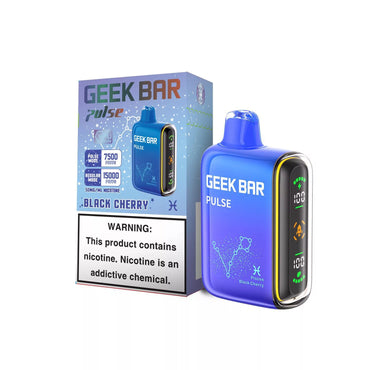
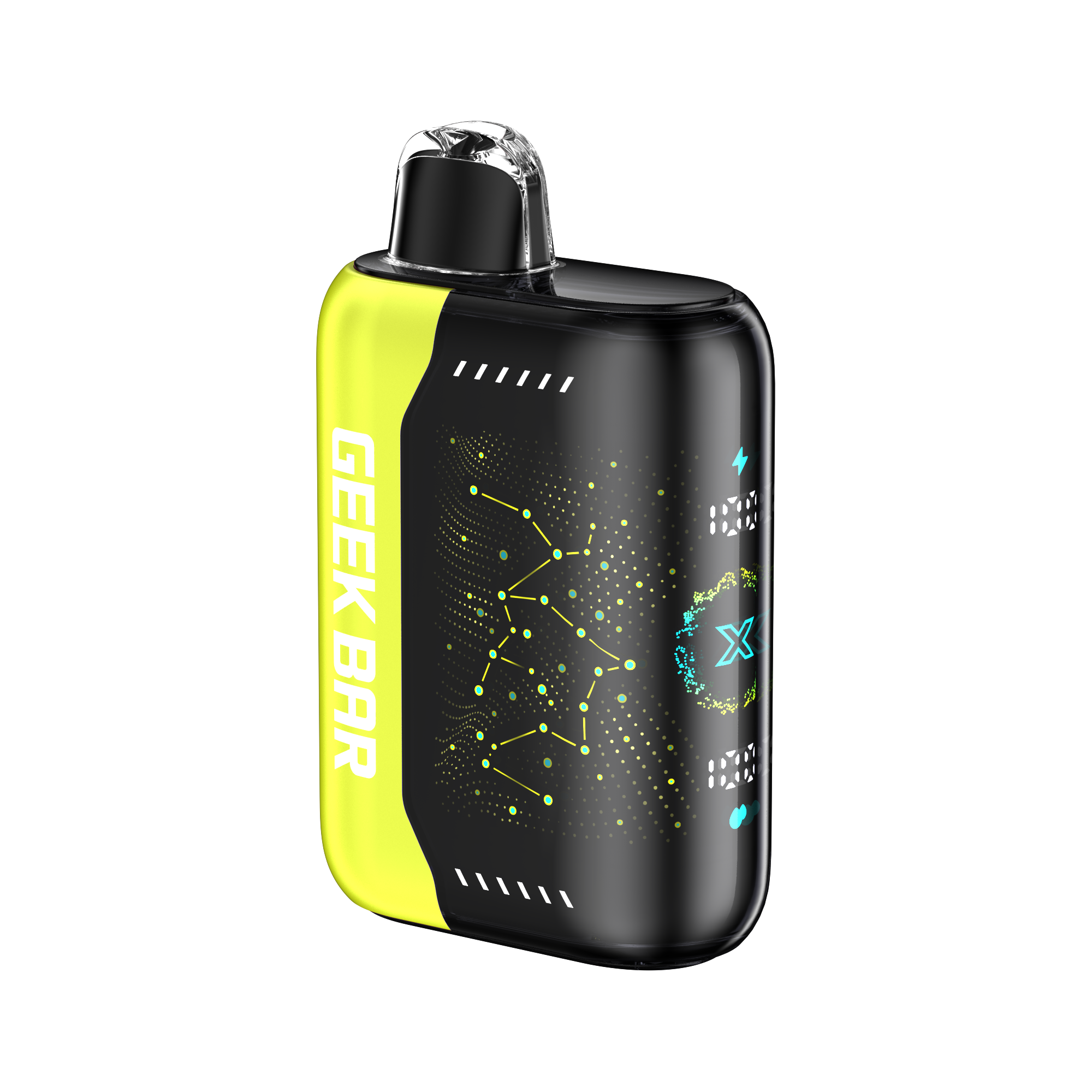
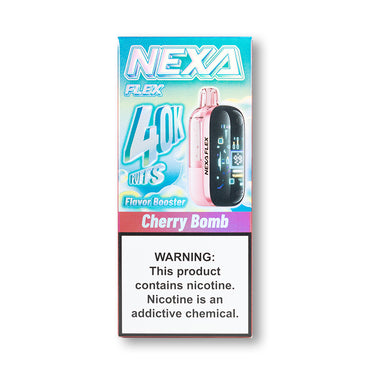
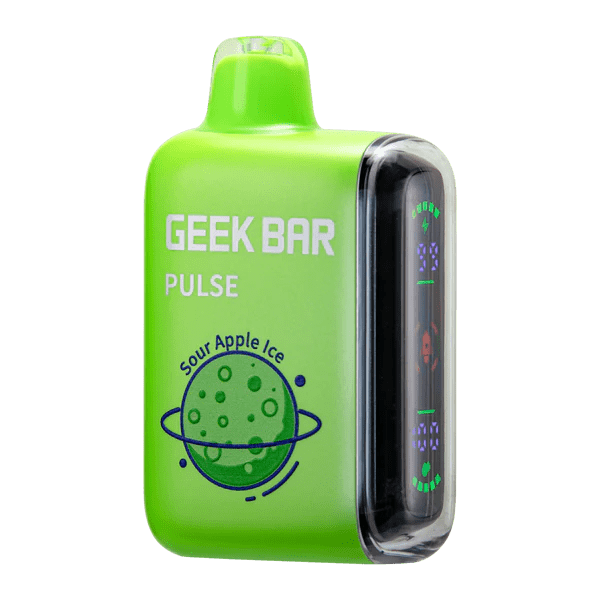
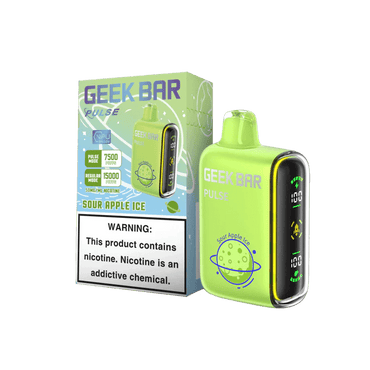
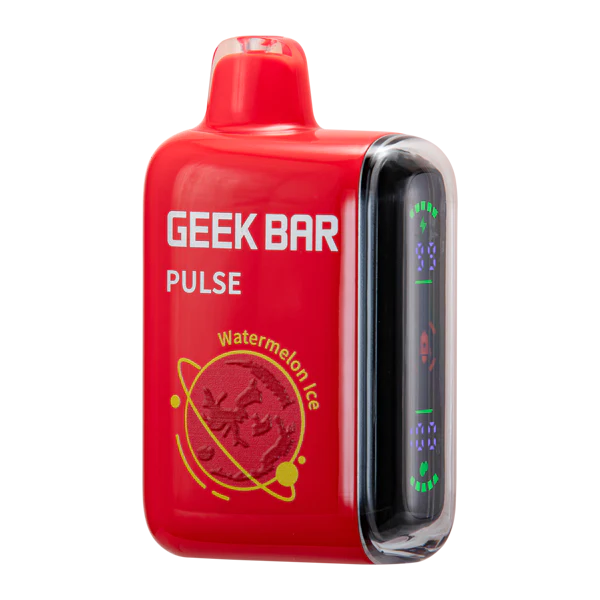
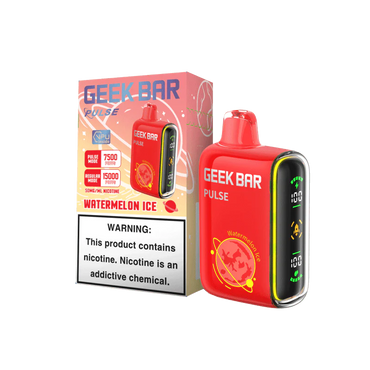
Disposable vapes are allowed on planes and follow the same carry-on-only requirement as rechargeable devices. Popular brands like Lost Mary, Geek Bar Pulse, and Raz TN9000 must stay in your carry-on bag or pocket—never in checked luggage.
Disposable vapes present unique packing challenges because you cannot remove their integrated batteries. Keep disposables in their original packaging whenever possible to prevent accidental activation and e-liquid leaks. The sealed packaging provides physical protection against the fire button being pressed and creates a barrier against air pressure changes that can cause leaking.
Many travelers mistakenly believe disposables can go in checked bags because they're "sealed" or "single-use," but this is incorrect. The lithium battery inside each disposable vape creates the same fire risk as rechargeable devices, making carry-on storage mandatory for all vaping products regardless of type.
What Are the TSA Rules for Bringing Vapes on Airplanes?
The TSA requires all vaping devices and spare batteries in carry-on luggage, limits e-liquid containers to 3.4 ounces (100ml), and prohibits using or charging devices during flights. These rules apply universally across all US airports and domestic flights, with additional restrictions possible on international routes.
Understanding these specific regulations helps you pack correctly and avoid delays at security checkpoints.

Why Must Vapes Go in Carry-On Luggage Only?
Vapes must stay in carry-on luggage because lithium-ion batteries can catch fire if damaged, short-circuited, or exposed to pressure changes in cargo holds. The FAA designates these batteries as hazardous materials requiring cabin storage where flight attendants have immediate access to fire suppression equipment.
Cargo holds lack the monitoring systems, temperature controls, and quick response capabilities available in passenger cabins. If a battery catches fire in checked luggage, the blaze could spread undetected for extended periods, potentially compromising aircraft safety. By keeping vapes in the cabin, any battery malfunction triggers immediate crew response with specialized fire extinguishers designed for lithium battery fires.
The regulation extends beyond just vaping devices—all spare lithium batteries, portable chargers, and battery-powered electronics face the same carry-on requirement. This unified approach simplifies compliance while maximizing passenger safety across all battery-containing devices.
What Are the E-Liquid Restrictions for Air Travel?
E-liquid in carry-on bags must follow the TSA's 3-1-1 liquids rule: containers of 3.4 ounces (100ml) or less, all fitting in one quart-sized clear plastic bag. This restriction applies to bottled e-juice, prefilled pods, and any liquid inside your vape tank.
When packing vape juice for carry-on:
Each individual container cannot exceed 3.4 oz (100ml) regardless of how full it is. A half-empty 120ml bottle violates the rule—transfer liquid to smaller containers before your flight. All liquid containers must fit together in a single quart-sized (approximately 20cm x 20cm) resealable plastic bag. This bag must be removed from your carry-on and placed separately in a screening bin.
You can pack unlimited e-liquid in checked baggage without size restrictions, making checked bags the better option for travelers bringing large quantities of vape juice. However, air pressure changes during flight can cause bottles to leak—wrap them in plastic bags and seal caps with tape for added protection.
Prefilled pods and cartridges count toward your liquid allowance. A 2ml pod takes up space in your quart bag just like a bottle of shampoo or cologne. If you're traveling with multiple pods, consider packing extras in checked luggage to maximize your carry-on liquid capacity for essential toiletries.

How Many Vapes Can You Bring on a Plane?
The TSA does not specify a maximum number of vaping devices for personal use, but you should limit quantities to what reasonably constitutes personal consumption during your trip. Bringing 2-3 devices is normal; packing 20+ devices may raise questions about commercial intent.
Spare lithium batteries face stricter limits. You can typically carry 2-20 spare batteries in carry-on luggage depending on their watt-hour (Wh) rating:
-
Batteries up to 100Wh: Usually unlimited for personal use (most vape batteries fall in this category)
-
Batteries 100-160Wh: Maximum 2 spare batteries with airline approval
-
Batteries over 160Wh: Prohibited on passenger aircraft
Most standard vape batteries (18650, 21700) range from 10-15Wh, well below the 100Wh threshold. However, some high-capacity mods approach 100Wh—check your device specifications before flying.
Each spare battery must be individually protected from short circuits by placing them in original packaging, protective cases, or separate plastic bags. Never carry loose batteries in pockets or bags where metal objects could contact the terminals.
Airlines may impose additional restrictions beyond TSA rules. Check your specific carrier's policy, especially for international flights where regulations vary by country and airline.
How Do You Pack a Vape for Air Travel?
Properly packing your vape involves turning off the device, protecting batteries from damage, preventing accidental activation, and securing e-liquids against leaks. These precautions minimize fire risk and ensure your vape survives the flight intact and functional.
Follow these essential packing steps for safe vape transport.
How Should You Pack Your Vaping Device Safely?
Turn off your device completely and protect it in a padded case to prevent damage and accidental activation during transit. Most vapes with fire buttons turn off by clicking the button five times rapidly—you'll see the LED flash to confirm shutdown. Puff-activated devices require disconnecting the pod or cartridge to disable firing.
Place your vape in a dedicated protective case or padded pouch. Hard-shell cases provide superior protection against crushing in overhead bins, while silicone sleeves guard against scratches and minor impacts. Position the device so the fire button cannot be pressed if something shifts against it.
For devices with removable batteries, consider taking them out before packing. Separated batteries eliminate the fire risk from the device itself, though you must still protect the batteries individually in approved carriers. This extra step is optional for air travel but recommended for maximum safety, especially on long international flights.
Keep your vape easily accessible in your carry-on bag. TSA agents may ask you to remove it during screening, and you'll want quick access if gate agents force-check your bag at boarding—remove the vape before surrendering your carry-on.

Where Should You Place Spare Vape Batteries?
Spare batteries must go in carry-on luggage inside protective cases that prevent terminals from contacting metal objects or other batteries. Each battery needs individual protection—dedicated battery cases, original packaging, or separate plastic bags all work.
Battery carriers with individual slots provide the best protection. These rigid plastic boxes keep batteries separated and shield terminals from accidental contact. If you don't have a dedicated carrier, place each battery in its own small plastic bag or cover the terminals with electrical tape.
Never carry loose batteries in pockets, backpacks, or purses where keys, coins, or other metal items could create a short circuit. A shorted battery can heat rapidly, potentially causing burns, fires, or even explosions. This risk is why airlines strictly enforce individual battery protection requirements.
Most vapers need 18650 or 21700 batteries, which typically have watt-hour ratings between 10-15Wh. These fall well within the 100Wh limit for unlimited carry-on batteries. External battery chargers without installed batteries can pack in either carry-on or checked bags, though carry-on placement is safer.
How Do You Prevent Vape Juice Leaks During Flights?
Air pressure changes during flight can force e-liquid out of tanks and bottles—prevent leaks by emptying tanks, sealing bottles with tape, and packing everything in leak-proof bags. Cabin pressure drops as planes ascend, causing air inside sealed containers to expand and push liquid through any opening.
For tanks and pods, completely empty them before your flight or fill them to maximum capacity with no air space. Partially filled tanks are most prone to leaking because the air gap expands during ascent, forcing liquid out through airflow holes. If you must travel with a filled tank, close all airflow controls and store the device upright.
Tape around bottle caps provides extra leak protection beyond just tightening the cap. Wrap electrical tape, scotch tape, or masking tape around the cap's base where it meets the bottle. This creates a secondary seal that contains leaks even if pressure forces the cap to loosen slightly.
Place all e-liquid bottles and filled devices inside zip-lock plastic bags as a final containment layer. Use one bag per device or bottle to limit mess if leaking occurs. Keep these bags easily accessible in your carry-on—you'll need to remove the quart-sized liquid bag during TSA screening anyway.
Disposable vapes in original packaging rarely leak because manufacturers design them for the pressure changes that occur during shipping by air. However, previously opened disposables benefit from placement in plastic bags as a precaution.

What Happens If You Put a Vape in Checked Baggage?
If TSA or airline security detects a vape in checked luggage, they will remove and confiscate the device, potentially delaying your bag's arrival. You will not receive your vape back, and in some cases, airlines may impose fines for hazardous materials violations.
Baggage screeners use X-ray machines that clearly identify lithium batteries and electronic devices. When they spot a vape, they must open your bag, remove the device, and document the violation. This process delays your entire bag through the screening system, often causing it to miss your flight. You may arrive at your destination without your luggage due to the screening delay.
More seriously, accidentally packing a vape in checked bags could result in fines up to $2,500 per violation under FAA hazardous materials regulations. While TSA typically issues warnings for first-time, unintentional violations, repeat offenses or attempts to deliberately circumvent the rules trigger financial penalties. Airlines maintain records of violations, and multiple incidents can result in travel restrictions.
The fire risk is real—the FAA documented over 60 incidents of lithium battery fires in cargo holds between 2020 and 2023, with vaping devices representing the most common source. Protecting other passengers' safety justifies the strict enforcement and significant penalties.
Do Different Airlines Have Different Vape Policies?
While all airlines follow TSA's carry-on-only requirement, individual carriers add specific restrictions on charging devices, gate-checked bags, and international destinations. Major US airlines including Delta, United, Southwest, and American Airlines prohibit using or charging vapes onboard, extending beyond basic TSA rules.
Delta Air Lines explicitly states that battery-powered electronic smoking devices "can be brought as carry-on items only" and prohibits using or recharging devices during flight. Delta recommends protective carry cases and researching destination country customs laws, disclaiming responsibility for items confiscated by foreign authorities.
United and Southwest maintain similar policies, adding that devices in gate-checked bags must be removed and carried into the cabin by passengers before surrendering bags at the aircraft door. This prevents inadvertent checked-bag violations when overhead bin space runs out.
International carriers often impose stricter rules. Some Asian and Middle Eastern airlines require written declarations for vaping devices, limit the number of spare batteries more conservatively than TSA, or ban certain high-wattage mods entirely. Always check your specific airline's policy when booking international flights, as rules vary significantly by carrier and destination country.
FAQs
Can You Vape in Airport Terminals?
No, vaping is prohibited inside all US airport terminals following the same smoking restrictions. You can only vape in designated outdoor smoking areas outside the terminal building. Using your vape inside the airport violates local ordinances and can result in fines or removal from the airport.
Will TSA Check Your Age for Vapes?
TSA does not verify age for vaping devices during security screening—their role focuses on safety threats, not age restrictions. However, you must be 21+ to legally purchase or possess vaping products under federal law. Airlines may check ID if suspicious, and destination states/countries may have their own age verification requirements.
Can You Bring CBD or THC Vapes on Planes?
Federal law prohibits marijuana (including THC vapes) on all flights, even between states where marijuana is legal. TSA states they will refer passengers with marijuana to law enforcement. CBD vapes derived from hemp (less than 0.3% THC) are federally legal but face state-by-state restrictions—research your destination's laws before traveling.
What Happens If You Vape on a Plane?
Vaping on a plane is a federal offense punishable by fines up to $4,000 and potential arrest. Aircraft bathrooms have sensitive smoke detectors that will trigger alarms, potentially causing an emergency landing. Airlines prosecute violations aggressively, and you may face lifetime travel bans from the carrier.
Can You Bring Vapes to Countries Where They're Illegal?
You can typically fly to countries where vapes are illegal, but customs will confiscate devices upon arrival and may impose fines or legal penalties. Countries like Thailand, Singapore, and parts of India ban vape possession entirely, with penalties ranging from $500 fines to imprisonment. Research destination laws before traveling.
How Many Vape Batteries Can You Carry On?
Most travelers can carry unlimited spare vape batteries under 100Wh in carry-on luggage for personal use. Batteries between 100-160Wh are limited to 2 spares with airline approval. Standard vape batteries (18650, 21700) are typically 10-15Wh, well below limits. Each battery must be individually protected in cases or original packaging.
Do You Need to Declare Vapes at Customs?
US customs does not require declaring vapes for personal use when returning to the US. However, when traveling internationally, some countries require declaring all tobacco and nicotine products including vapes. Check your destination country's customs regulations—failure to declare when required can result in confiscation and fines.
Can You Mail Your Vape Instead of Flying With It?
Yes, you can ship vaping devices and e-liquid through USPS, UPS, and FedEx, though regulations vary by carrier. This option works for travelers visiting destinations where vapes are legal but who prefer not to carry devices through security. However, shipping costs often exceed the value of disposable vapes, making it impractical for short trips.
References
-
Transportation Security Administration (TSA). "Electronic Cigarettes and Vaping Devices." TSA.gov. Available at: https://www.tsa.gov/travel/security-screening/whatcanibring/items/electronic-cigarettes-and-vaping-devices
-
Federal Aviation Administration (FAA). "Vapes on a Plane?" FAA.gov. Available at: https://www.faa.gov/newsroom/vapes-plane
-
Federal Aviation Administration (FAA). "Vapes On A Plane Marketing Kit." FAA.gov. Available at: https://www.faa.gov/hazmat/packsafe/resources/vapes_marketing_kit
-
Delta Air Lines. "Tobacco, E-Cigarettes or Marijuana." Delta.com. Available at: https://www.delta.com/us/en/baggage/prohibited-or-restricted-items/tobacco-ecig-marijuana
-
Innokin Technology. "Can You Bring a Vape on a Plane? (2025 Update)." Innokin.com. September 12, 2025. Available at: https://www.innokin.com/blog/can-you-bring-a-vape-on-a-plane
-
Vaping360. "Can You Bring a Vape on a Plane? Rules for Flying with Vapes, Carts, and Vape Pens." Vaping360.com. April 30, 2025. Available at: https://vaping360.com/learn/rules-flying-with-vapes-on-planes/
-
AltProExpo. "Can You Bring a Vape on a Plane? Rules and Tips Explained." AltProExpo.com. September 9, 2024. Available at: https://altproexpo.com/blog/can-you-bring-a-vape-on-a-plane/
-
Remitly. "Can You Bring a Vape on a Plane? Air Travel Tips." Remitly.com. October 21, 2025. Available at: https://www.remitly.com/blog/travel/can-you-bring-a-vape-on-a-plane/
-
Generation V. "How to Bring a Vape on a Plane The Right Way." GenerationV.com. October 7, 2024. Available at: https://www.generationv.com/2024/05/20/how-to-bring-a-vape-on-a-plane-the-right-way/