Tobacco vs Vape: 7 Key Health Differences Every Smoker Should Know
Introduction
Over 480,000 Americans die annually from tobacco-related diseases, making smoking the leading preventable cause of death. As vaping emerges as an alternative, smokers face a critical question: is switching actually safer? While e-cigarettes eliminate combustion, they're not risk-free. Understanding the specific health differences between tobacco and vaping helps you make informed decisions about nicotine use. This guide examines seven evidence-based distinctions that matter most for your health.
What Are the Fundamental Differences Between Tobacco and Vaping?
Tobacco smoking and vaping deliver nicotine through fundamentally different mechanisms. Traditional cigarettes burn dried tobacco leaves at temperatures exceeding 600°C, creating smoke containing over 7,000 chemicals through combustion. In contrast, e-cigarettes heat liquid (e-liquid or vape juice) to approximately 200-250°C, producing an aerosol vapor without burning. This heating-versus-burning distinction creates dramatically different chemical exposures. Tobacco smoke contains tar, carbon monoxide, formaldehyde, and numerous carcinogens formed during combustion. Vaping liquids typically contain nicotine, propylene glycol, vegetable glycerin, and flavorings—fewer components but not without risks. The absence of combustion in vaping eliminates many tobacco-specific toxins, though heating still produces some harmful compounds.

What Are the 7 Key Health Differences Between Tobacco and Vape?
Difference #1 - Chemical Exposure: What Harmful Substances Does Each Contain?
Traditional cigarettes expose smokers to over 7,000 chemicals, with at least 70 known carcinogens. When tobacco burns, it releases tar (which damages lung tissue), carbon monoxide (which reduces oxygen delivery), benzene, formaldehyde, arsenic, cadmium, and polycyclic aromatic hydrocarbons. These compounds accumulate in lungs, blood, and organs, causing cellular damage.
E-cigarettes contain significantly fewer chemicals—typically four to five main ingredients. Most vape liquids consist of propylene glycol, vegetable glycerin, nicotine, and food-grade flavorings. While this represents a substantial reduction in chemical complexity, vaping isn't harmless. Research has identified concerning compounds in vape aerosol, including trace metals (nickel, tin, lead) from heating coils, and chemicals like diacetyl in some flavored liquids.
According to studies comparing biomarkers of exposure, vapers show 92-99% lower levels of tobacco-specific carcinogens compared to cigarette smokers. However, some vaping products may contain higher nicotine concentrations than traditional cigarettes, potentially increasing addiction risk.
Difference #2 - Cancer Risk: Which Poses Greater Carcinogenic Danger?
Tobacco smoking definitively causes cancer, with decades of research establishing clear causal links. Cigarette smoking is responsible for approximately 90% of lung cancer cases and contributes to cancers of the mouth, throat, esophagus, pancreas, bladder, kidney, liver, stomach, colon, and cervix. The International Agency for Research on Cancer classifies tobacco smoke as a Group 1 carcinogen—the highest risk category.
Vaping presents lower but not zero cancer risk. E-cigarettes eliminate the combustion process that generates most tobacco-specific carcinogens. The UK's Royal College of Physicians concluded that vaping is "unlikely to exceed 5% of the harm from smoking tobacco." However, some vape aerosols contain formaldehyde and acetaldehyde—both classified as carcinogens—particularly when devices operate at high temperatures.

The critical caveat: we lack long-term epidemiological data on vaping's cancer risk. E-cigarettes have only been widely used for about 20 years, while cancer typically develops over 20-30+ years of exposure. Current evidence suggests substantially lower risk than smoking, but researchers cannot definitively state vaping carries zero cancer risk. Studies continue monitoring early adopters for potential long-term malignancies.
Difference #3 - Lung Health Impact: How Does Each Affect Respiratory Function?
Tobacco smoke causes severe, progressive lung damage. Chronic smoking leads to COPD (Chronic Obstructive Pulmonary Disease), which includes chronic bronchitis and emphysema—conditions that cause permanent lung tissue destruction. Smokers experience reduced lung capacity, chronic coughing, mucus production, and difficulty breathing. Tobacco-related lung disease kills over 160,000 Americans annually, making it the third leading cause of death in the United States.
Vaping affects lungs differently but isn't without risk. The 2019-2020 EVALI outbreak (E-cigarette or Vaping product use-Associated Lung Injury) hospitalized nearly 2,800 people and caused 68 deaths. Investigations linked most cases to vitamin E acetate in THC-containing products, not nicotine e-cigarettes. However, this highlighted vaping's potential for acute lung injury.
Research shows vaping can cause respiratory irritation, increased airway resistance, and inflammatory responses. Some vape flavors contain diacetyl, a chemical linked to "popcorn lung" (bronchiolitis obliterans)—a serious lung disease. While vaping appears less damaging than smoking for lung function, studies detecting reduced lung capacity and increased asthma symptoms in vapers indicate it's not harmless. Long-term respiratory effects remain under investigation, as most vapers have used these products for less than a decade.
Difference #4 - Cardiovascular Effects: What's the Impact on Heart Health?
Both tobacco and vaping negatively impact cardiovascular health, though tobacco's effects are more severe. Cigarette smoking significantly increases risk of heart attack, stroke, peripheral artery disease, and aortic aneurysm. Carbon monoxide from tobacco smoke reduces blood oxygen levels, forcing the heart to work harder. Smoking damages blood vessel linings, promotes arterial plaque buildup, increases blood clotting, and raises blood pressure. Smoking doubles to quadruples the risk of coronary heart disease and stroke.
Vaping also affects cardiovascular function, primarily through nicotine exposure. Nicotine increases heart rate, blood pressure, and arterial stiffness regardless of delivery method. Research shows e-cigarette use acutely elevates blood pressure and heart rate, similar to traditional cigarettes. Studies have found vaping can impair blood vessel function, reduce arterial elasticity, and increase oxidative stress—all risk factors for cardiovascular disease.
A meta-analysis published in the American Heart Association journal found both smoking and vaping cause endothelial dysfunction, though vaping's impact appears less pronounced. Importantly, nicotine-free vaping doesn't significantly affect heart rate or blood pressure, suggesting nicotine—present in both products—drives most cardiovascular effects. The American Heart Association emphasizes that while vaping may carry less cardiovascular risk than smoking, it's not safe, particularly for people with existing heart conditions. Former smokers who switch to vaping may reduce cardiovascular harm, but non-smokers who start vaping expose themselves to unnecessary cardiovascular risk.

Difference #5 - Addiction Potential: How Addictive Is Each Method?
Both cigarettes and e-cigarettes deliver highly addictive nicotine. Nicotine addiction develops when the brain becomes dependent on nicotine to function normally. Research suggests nicotine may be as addictive as heroin or cocaine. Traditional cigarettes contain monoamine oxidase inhibitors (MAOIs) that enhance nicotine's addictive properties beyond the drug itself. Youth can show nicotine addiction signs before establishing daily use, indicating how quickly dependence develops.
Vaping presents unique addiction concerns. Many e-cigarettes deliver nicotine more efficiently than traditional cigarettes, with some products containing extremely high nicotine concentrations—up to 50mg/mL in salt nicotine formulations, compared to about 10-12mg in a typical cigarette. Users can purchase extra-strength cartridges or increase device voltage for greater nicotine delivery. This flexibility means vapers may consume more nicotine than they would from smoking, potentially deepening addiction.
According to CDC data, the most common reason middle and high school students give for vaping is managing anxiety, stress, or depression—symptoms that nicotine withdrawal itself can worsen, creating a reinforcing cycle. Research indicates daily e-cigarette users experience similar withdrawal symptoms as cigarette smokers when trying to quit: irritability, cravings, difficulty concentrating, and mood disturbances. While some smokers successfully use vaping to gradually reduce nicotine intake, others maintain or increase their dependence. Both products carry severe addiction risk, particularly for adolescents whose developing brains are more vulnerable to nicotine's neurological effects.
Difference #6 - Secondhand Exposure: What Are the Risks to Others?
Secondhand tobacco smoke poses well-documented health dangers to non-smokers. Secondhand smoke contains more than 7,000 chemicals, including hundreds that are toxic and about 70 that cause cancer. The U.S. Surgeon General has concluded there is no safe level of secondhand smoke exposure. Non-smokers exposed to secondhand smoke increase their heart disease risk by 25-30% and lung cancer risk by 20-30%. Children exposed to secondhand smoke face increased risks of sudden infant death syndrome (SIDS), respiratory infections, asthma attacks, and ear infections. Annually, secondhand smoke causes approximately 41,000 deaths among non-smoking adults.
Secondhand vaping exposure—often called "secondhand aerosol"—contains fewer toxic chemicals than tobacco smoke but isn't harmless. E-cigarette aerosol exhaled by vapers includes nicotine, ultrafine particles, volatile organic compounds, and trace metals. Bystanders can absorb nicotine from secondhand vapor, and studies detect ultrafine particles that can penetrate deep into lungs. While measurements show substantially lower concentrations of harmful substances compared to secondhand smoke, research confirms secondhand aerosol isn't just "water vapor" as sometimes claimed.
Current evidence suggests secondhand vaping exposure carries significantly less risk than secondhand smoke, but particularly vulnerable populations—pregnant women, children, people with respiratory conditions—should minimize exposure to both. The long-term health effects of repeated secondhand vapor exposure remain under investigation. Many public health organizations recommend applying smoke-free policies to vaping to protect non-users from involuntary exposure.

Difference #7 - Long-Term Health Outcomes: What Does Research Show?
Tobacco's long-term health outcomes are definitively catastrophic. Seven decades of research establishes that smoking reduces life expectancy by approximately 10 years on average. Smoking causes more than 480,000 deaths annually in the United States alone—roughly 1 in 5 deaths. Long-term smokers face dramatically elevated risks of lung cancer (15-30 times higher), COPD, heart disease, stroke, and numerous other conditions. Studies tracking smokers over decades show progressive health deterioration affecting nearly every organ system.
Vaping's long-term health outcomes remain incompletely understood due to limited longitudinal data. E-cigarettes entered the market around 2003, giving us roughly 20 years of usage history—far less than the decades needed to fully assess cancer and chronic disease risks. However, early evidence provides important insights. Population studies of early adopters haven't revealed catastrophic health crises matching tobacco's impacts. Public Health England's expert review concluded vaping is around 95% less harmful than smoking based on available evidence.
Research is actively tracking health outcomes in long-term vapers. Some studies report concerning findings: a 2019 study found daily vaping associated with increased heart attack risk, while respiratory research shows some vapers developing lung function impairments. Scientists emphasize that "less harmful than smoking" doesn't mean "safe." The National Academies of Sciences, Engineering, and Medicine concluded there's substantial evidence that completely switching from cigarettes to e-cigarettes reduces exposure to numerous toxicants, but insufficient evidence to determine whether e-cigarettes definitively help people quit smoking or to fully characterize long-term health effects. Researchers continue monitoring vaping populations, with more definitive long-term data expected in coming decades.
Is Vaping Safer Than Tobacco Smoking?
Yes, current evidence indicates vaping is substantially safer than smoking tobacco, but it's not safe. This distinction is critical for understanding the relative risks. Every major health organization examining the evidence—including Public Health England, the Royal College of Physicians, and independent scientific reviews—concludes vaping exposes users to far fewer toxins than tobacco smoke. The elimination of combustion, which generates the majority of tobacco's most harmful chemicals, represents the primary mechanism of harm reduction.
Health organizations' consensus positions: The CDC states e-cigarettes "may have the potential to benefit adults who smoke and are not pregnant if used as a complete substitute for all smoked tobacco products." The American Heart Association acknowledges "while it's true that e-cigarette aerosol doesn't include all the contaminants in tobacco smoke, it still isn't safe." NHS England actively promotes vaping as a smoking cessation tool, stating "vaping is not completely risk-free but is far less harmful than smoking."

However, all these organizations emphasize vaping should only be considered by current adult smokers seeking to quit, not by non-smokers or youth. For people who have never smoked, vaping introduces unnecessary health risks and potential nicotine addiction. The key message: vaping represents significant harm reduction for smokers but harm introduction for non-smokers. The safest choice remains using neither tobacco nor vaping products.
Conclusion
The evidence reveals vaping and tobacco differ dramatically in health impacts. While both deliver addictive nicotine, tobacco's combustion process generates thousands of additional toxic chemicals that vaping avoids. Current research indicates vaping is substantially less harmful than smoking—potentially 95% less harmful according to some estimates—but this doesn't make it safe or appropriate for non-smokers.

For current smokers, switching completely to vaping may reduce health risks, though long-term effects continue being studied. For everyone else—particularly youth, pregnant women, and non-smokers—both products pose unnecessary risks. The healthiest choice remains avoiding all tobacco and nicotine products entirely. If you smoke and want to quit, consult healthcare providers about FDA-approved cessation methods, which may include vaping as one option among several evidence-based approaches.
Your health decisions deserve accurate information. Neither option is without consequences, but understanding these seven key differences empowers you to make choices based on science rather than marketing claims.
Ready to make the switch?
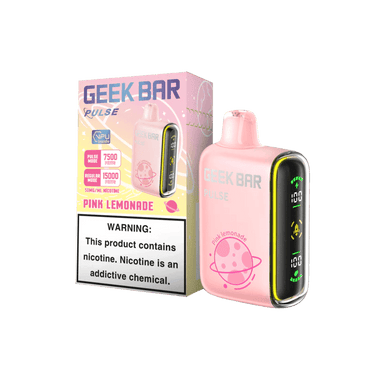
If you're considering a cleaner alternative to traditional cigarettes, start by exploring trusted disposable vape brands and flavors made for adult smokers. Whether you prefer classic tobacco notes or refreshing fruity blends, there are better options to match your taste.
Shop Geek Bar Collection
Explore Lost Mary Vapes
Browse Fruit Flavor & Tobacco Flavor Vapes
Make a smarter choice today—find the option that fits your lifestyle.