What Is the Safest Vape for Your Lungs? 10 Options to Protect Your Respiratory Health
No vape is completely safe for your lungs, but harm reduction is possible. If you're searching for the safest vape options, you're likely a smoker seeking alternatives or a current vaper concerned about respiratory health. While quitting entirely remains the healthiest choice, understanding which products minimize lung damage can help you make informed decisions. This guide examines 10 safer vape options based on ingredient quality, safety features, and regulatory compliance—plus practical tips to protect your respiratory system while vaping.
What Makes a Vape "Safe" for Your Lungs?
A "safe" vape minimizes respiratory harm through clean ingredients, quality construction, and protective device features. No vaping product is risk-free, but the safest options avoid toxic additives, use pharmaceutical-grade base liquids, and include built-in safety mechanisms.
According to research from Johns Hopkins University published in October 2021, vape products contain thousands of chemical ingredients, many unidentified. The safest vapes prioritize ingredient transparency by listing every component and using USP-grade vegetable glycerin (VG) and propylene glycol (PG) as base ingredients.
Key safety markers include:
-
Zero harmful additives like diacetyl, vitamin E acetate, acetoin, or acetyl propionyl
-
Third-party lab testing verifying purity and absence of heavy metals
-
Regulatory compliance (FDA-registered facilities in the US, MHRA/TPD approval in the UK)
-
Built-in device protections including temperature control, overcharge prevention, short-circuit protection, and auto-shutoff features
-
Natural or minimal flavorings rather than complex artificial chemical blends
The CDC identified vitamin E acetate as a primary chemical of concern in EVALI (e-cigarette or vaping product use-associated lung injury) cases. Safe vapes explicitly exclude this thickening agent and similar respiratory irritants from their formulations.

What Harmful Ingredients Should You Avoid in Vapes?
Certain vape ingredients directly damage lung tissue and should be avoided completely. Understanding these chemicals helps you identify genuinely safe products versus marketing claims.
Diacetyl is a butter-flavoring chemical linked to bronchiolitis obliterans, commonly called "popcorn lung." This irreversible lung disease causes scarring and narrowing of airways. While diacetyl is banned in UK-regulated vapes, it may still appear in unregulated products. The safest vapes explicitly state "no diacetyl" on their packaging.
Vitamin E acetate was found in all lung fluid samples from EVALI patients examined by the CDC. This oil-based additive, used to thicken THC vaping products, coats lung tissue and prevents normal oxygen exchange. Avoid any products containing this ingredient.
Heavy metals including lead, nickel, and chromium can leach from low-quality heating coils into vapor. According to Johns Hopkins research, these metals cause respiratory irritation and long-term lung damage. Safe vapes use medical-grade heating elements that minimize metal exposure.
Acetoin and acetyl propionyl are flavoring chemicals structurally similar to diacetyl with similar lung injury risks. Premium vape brands exclude all three compounds from their formulations.
Always check ingredient lists before purchasing. If a brand doesn't provide complete ingredient transparency, consider it unsafe for your lungs.
What Safety Features Protect Your Respiratory System?
Device safety features prevent overheating, battery malfunctions, and vapor contamination that can harm your lungs. Quality vapes include multiple protective mechanisms that reduce exposure to toxic byproducts.
Temperature control technology is critical for lung safety. When heating elements exceed safe temperatures (typically above 200°C/392°F), they produce harmful chemicals like formaldehyde and acrolein. Devices with precise temperature regulation maintain consistent, safer vapor production without these toxic byproducts.
Overcharge protection prevents battery degradation that can cause devices to overheat during use. Damaged batteries may leak chemicals or cause the device to malfunction, producing irregular vapor with higher concentrations of harmful substances. Safe vapes include automatic charging cutoffs.
Leak-proof design ensures e-liquid doesn't seep into the heating chamber improperly, which can cause uneven vaporization and chemical burning. Leaking devices expose you to raw e-liquid chemicals that shouldn't be inhaled directly.
Auto-shutoff mechanisms prevent prolonged heating that degrades coils and produces metallic particles in vapor. These features typically activate after 8-10 seconds of continuous use, protecting both device integrity and your respiratory system.
Short-circuit prevention stops electrical malfunctions that can superheat coils, vaporizing metal components alongside e-liquid. This protection is essential for preventing heavy metal inhalation.
Quality manufacturers combine multiple safety features. Budget devices often lack these protections, significantly increasing respiratory risks.

How Do Nicotine-Free Vapes Compare to Nicotine Vapes for Lung Health?
Nicotine-free vapes eliminate one major health risk, but they're not completely harmless. Understanding the difference helps you choose the safest option for your situation.
Nicotine itself doesn't directly cause lung disease, but it does contribute to cardiovascular problems and is highly addictive. According to Johns Hopkins Medicine, nicotine may be as addictive as heroin and cocaine. For lung-specific health, nicotine's primary concern is that it promotes inflammation in respiratory tissues, potentially worsening conditions like asthma.
Nicotine-free vapes remove addiction and cardiovascular risks while still carrying the general risks of inhaling any substance besides air. You're exposed to fewer harmful chemicals overall, but VG, PG, and flavorings still enter your lungs.
The UK's NHS notes that vaping nicotine is substantially safer than smoking because you avoid the toxins created by burning tobacco. However, if you've never smoked, starting any vaping habit—even nicotine-free—introduces unnecessary respiratory risks.
For current smokers, low-nicotine vapes (20mg or less) offer harm reduction while helping manage cravings. For non-smokers concerned about lung health, nicotine-free options from reputable brands like ARRØ or Cyclone Pods represent the lowest-risk vaping choice, though not vaping at all remains safest.
Nicotine strength choice should align with your specific situation: transitioning smokers benefit from gradual nicotine reduction, while recreational users should avoid nicotine entirely to minimize both addiction and respiratory inflammation.
What Are the 10 Safest Vape Options for Your Lungs?
The safest vapes prioritize clean ingredients, transparent testing, and robust safety features. These 10 options represent the lowest-risk products across nicotine-free, low-nicotine, and regulated categories based on ingredient quality, device construction, and third-party verification.
Top Nicotine-Free Vapes for Maximum Lung Protection
ARRØ Nicotine-Free Disposable Vapes lead the nicotine-free category with completely plant-based formulations. They contain zero nicotine, diacetyl, or vitamin E acetate, using only pharmaceutical-grade VG and PG with natural fruit extracts for flavor. The dual-mesh coil design ensures even heating, reducing hot spots that create harmful byproducts. ARRØ's commitment to minimal chemical exposure makes them ideal for users prioritizing respiratory health.
Cyclone Pods offer zero-nicotine refillable options with transparent ingredient lists and third-party lab testing. Their clean VG/PG blend avoids synthetic additives, and built-in temperature regulation prevents overheating. The refillable design gives you control over exactly what enters your lungs while reducing waste compared to disposables.
HealthVape Wellness Vapes combine nicotine-free formulations with functional ingredients like vitamins, melatonin, and caffeine. These devices operate at lower temperatures to preserve ingredient integrity and avoid releasing harmful substances. HealthVape explicitly excludes diacetyl, acetoin, acetyl propionyl, vitamin E acetate, and all synthetic cutting agents—making them among the cleanest options available.

Safest Low-Nicotine Vapes for Smokers Transitioning
Vaporesso XROS Series devices meet UK TPD compliance standards with adjustable airflow, leak-resistant construction, and replaceable coil systems. These pod systems allow you to gradually reduce nicotine strength while maintaining consistent vapor quality. The mesh coil technology prevents dry hits that produce harsh, chemical-laden vapor.
Innokin Coolfire Z60 earned recognition in the 2022 Ecigclick Awards for its tank quality and safety performance. The durable zinc-alloy body houses temperature control technology and multiple coil options for mouth-to-lung or restricted direct-to-lung vaping. Built-in protections include overcharge prevention and short-circuit safeguards.
SMOK Nord Series offers temperature regulation, replaceable coils, and multiple safety features at accessible prices. The pod system design makes maintenance simple—essential for preventing burnt coils that release metallic particles into vapor. Short-circuit protection and auto-shutoff mechanisms add respiratory safety layers.
Best Regulated Disposable Vapes with Safety Certifications
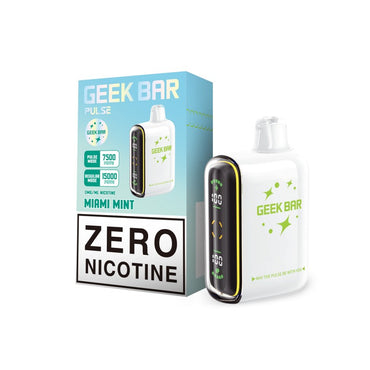
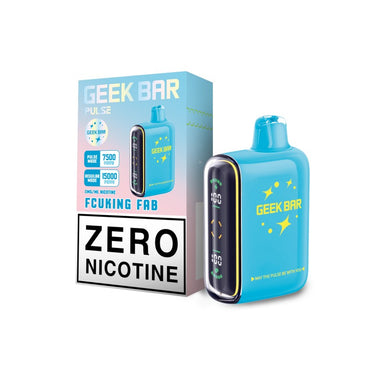
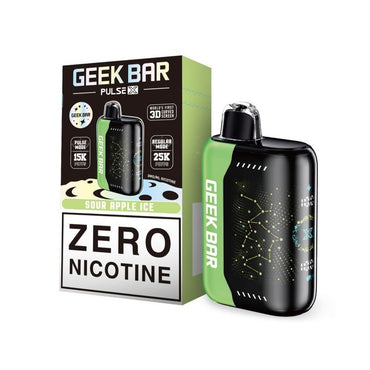
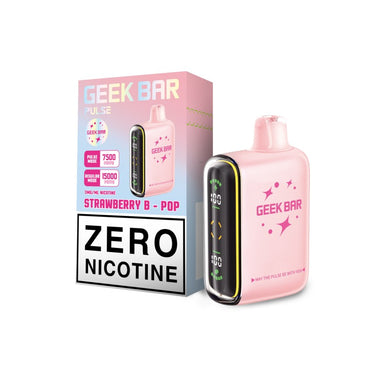
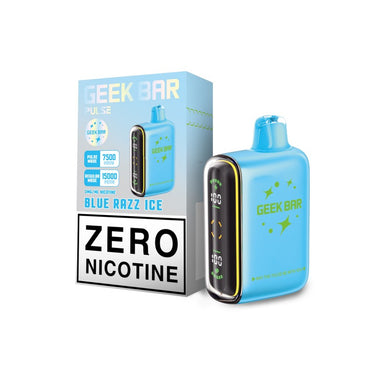
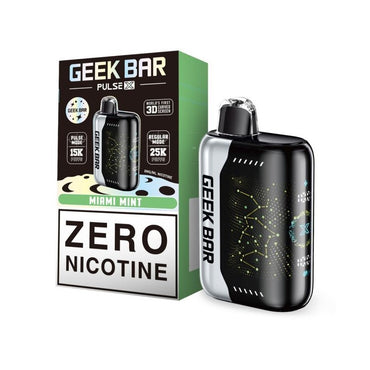
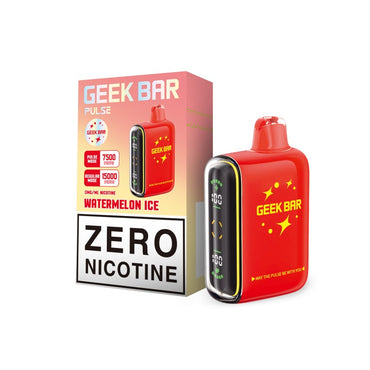
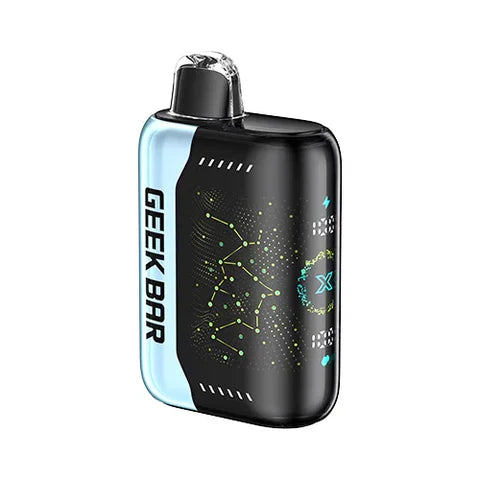
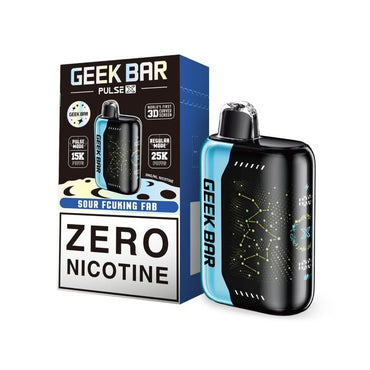
Geek Bar (UK TPD-Compliant Models) undergo MHRA testing and contain only pharmaceutical-grade ingredients. The 2ml TPD-compliant versions meet strict UK safety standards, ensuring every batch is tested for purity. Only purchase UK-legal Geek Bar products; larger unregulated versions sold in some regions lack safety verification.

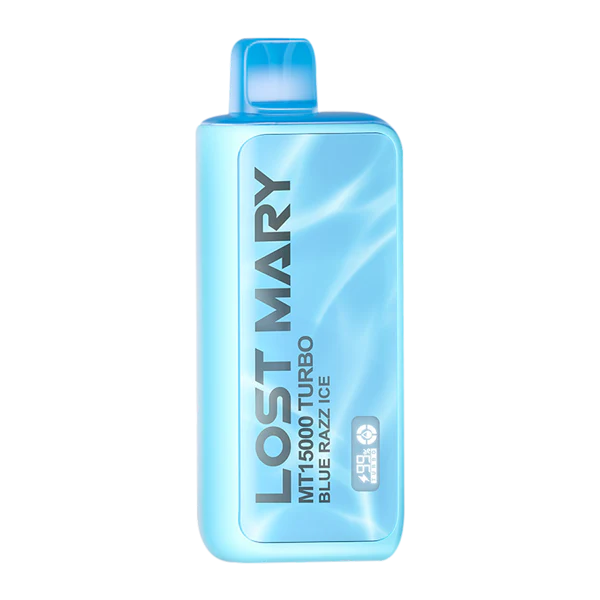
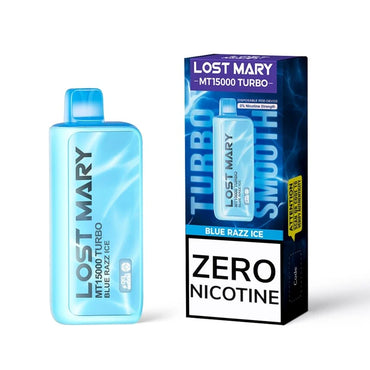
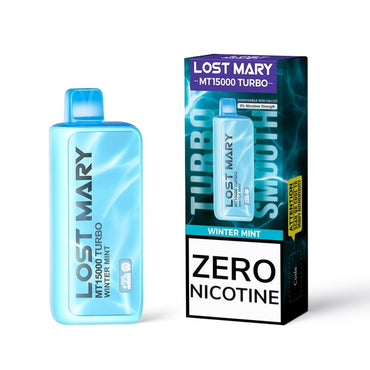
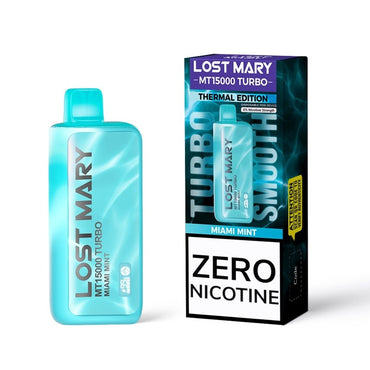
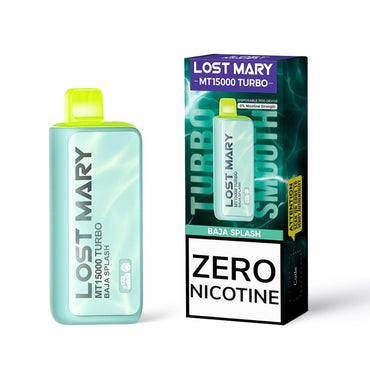
Lost Mary (Regulated Versions) provide lab-tested e-liquids with transparent ingredient lists. TPD-compliant Lost Mary devices exclude harmful additives and include leak-proof designs. Verify you're purchasing regulated models rather than oversized unregulated variants.
Elf Bar (TPD-Compliant 2ml Models) represent safety-tested disposables when purchased through legitimate UK retailers. The regulated 2ml versions undergo rigorous testing; larger Elf Bar models found in unregulated markets may contain untested ingredients. Always verify regulatory compliance before purchasing.
Premium Refillable Systems for Long-Term Safer Vaping
Uwell Caliburn Series devices feature high-quality coils, leak-proof pods, and consistent vapor temperature control. The replaceable coil system ensures you're never vaping through degraded heating elements that release contaminants. Caliburn's reputation for quality construction and safety features makes them a top choice for health-conscious vapers committed to long-term use.
How Do You Choose the Safest Vape Device for Your Lungs?
Selecting a lung-safe vape requires evaluating ingredients, device features, and your personal situation. Following a systematic approach helps you identify genuinely safe products among thousands of options.
Start by verifying ingredient transparency. The safest brands list every component in their e-liquids and explicitly state what they exclude. If a company doesn't provide complete ingredient information, consider it a red flag. Look for clear statements like "no diacetyl, vitamin E acetate, or heavy metals."
Check for third-party lab testing. Reputable brands publish independent test results verifying purity and safety. These tests should confirm the absence of contaminants and validate ingredient accuracy. Brands that skip third-party verification may be cutting corners on safety.
Confirm regulatory compliance for your region. In the US, look for FDA-registered manufacturing facilities. In the UK, only purchase TPD-compliant products tested by the MHRA. Unregulated products from unknown sources may contain dangerous additives or inaccurate nicotine levels.
Evaluate device safety features. At minimum, safe vapes should include temperature control, overcharge protection, and short-circuit prevention. Premium devices add leak-proof designs and auto-shutoff mechanisms. More safety features mean better respiratory protection.
Consider your smoking status. If you've never smoked, the safest choice is not vaping at all. For current smokers, vaping represents harm reduction—choose regulated devices with gradually decreasing nicotine levels. For former smokers maintaining vaping habits, nicotine-free options minimize ongoing risks.

What Nicotine Strength Minimizes Lung Damage?
Lower nicotine concentrations (20mg or less) reduce both addiction risk and respiratory inflammation. Choosing appropriate nicotine strength balances harm reduction with effective craving management.
Nicotine salts deliver smoother throat hits than freebase nicotine at equivalent strengths, allowing comfortable vaping at lower concentrations. This smoothness comes from benzoic acid formulation, which adjusts nicotine pH. For respiratory health, nicotine salts enable you to satisfy cravings with less vapor volume inhaled per session.
Freebase nicotine in concentrations above 20mg produces harsh vapor that irritates throat and lung tissues. If you're using freebase nicotine, keep strengths at 18mg or lower to minimize respiratory stress. The harshness itself signals tissue irritation.
Gradual reduction strategy: Start with the minimum nicotine strength that prevents cigarette cravings. Many smokers successfully transition with 20mg nicotine salts or 12-18mg freebase. After 2-4 weeks, reduce by 3-6mg increments every few weeks. This approach minimizes withdrawal while steadily decreasing nicotine exposure to your lungs and cardiovascular system.
Zero-nicotine is the goal if you're using vaping for smoking cessation. Once you've weaned down to 3mg or less, transitioning to nicotine-free e-liquids becomes manageable. From there, you can reduce vaping frequency without battling nicotine addiction.
According to the NHS, nearly two-thirds of people who use vapes with expert support successfully quit smoking. The key is viewing vaping as a temporary transition tool, not a permanent habit.
How Can You Verify a Vape Brand's Safety Standards?
Legitimate safety verification comes from third-party testing, regulatory compliance, and transparent manufacturing practices. Learning to identify trustworthy brands protects you from dangerous products.
Look for third-party lab testing certificates. Safe brands publish current test results from independent laboratories verifying ingredient purity, absence of contaminants, and accurate nicotine levels. These certificates should be easily accessible on the brand's website and include batch numbers matching your product.
Verify regulatory compliance. In the United States, check for FDA-registered manufacturing facilities. The FDA doesn't approve vaping products, but registered facilities follow manufacturing standards. In the UK, only purchase products displaying MHRA approval and TPD compliance markings. These regulatory bodies test products for safety before allowing market sales.
Examine ingredient transparency. Trustworthy brands list every ingredient in their e-liquids, including base components (VG/PG ratios), nicotine source and strength, and specific flavorings used. They explicitly state what they exclude: "no diacetyl, vitamin E acetate, acetoin, or acetyl propionyl."
Research manufacturing practices. Safe brands disclose where products are made and under what conditions. Pharmaceutical-grade facilities, cleanroom environments, and quality control protocols indicate serious safety commitment. Avoid brands that hide manufacturing details.
Red flags signaling unsafe products:
-
Unrealistic puff counts (50,000+ puffs often indicate oversized unregulated devices)
-
Extremely low prices that undercut established brands significantly
-
No batch testing or lot numbers
-
Vague ingredient lists or marketing-focused language instead of technical specifications
-
Absence of safety warnings or age restrictions
-
Products sold through unverified online marketplaces or social media
According to Johns Hopkins research, the vaping industry contains thousands of chemical ingredients, most unidentified. Only purchase from brands that actively work to identify and disclose their formulations rather than hiding behind trade secrecy.
Purchase location matters. Buy from reputable vape shops, pharmacies, or verified online retailers rather than convenience stores, gas stations, or unauthorized resellers. Legitimate retailers stock only compliant products and can verify authenticity.
What Are the Risks of Vaping for Your Lungs?
Vaping carries respiratory health risks including lung injury, chronic inflammation, and potential long-term disease. Understanding these risks helps you make informed decisions about whether and how to vape.
While substantially safer than smoking cigarettes, vaping is not harmless. According to Johns Hopkins Medicine, emerging data suggests links between vaping and chronic lung disease and asthma, as well as cardiovascular disease associations in dual users who both vape and smoke.
Can Vaping Cause Lung Disease?
Yes, vaping can cause serious lung conditions including EVALI, popcorn lung, chronic inflammation, and asthma exacerbation. Medical evidence demonstrates clear connections between vaping and respiratory disease.
EVALI (E-cigarette or Vaping product Use-Associated Lung Injury) emerged in 2019, hospitalizing thousands. The CDC investigation identified vitamin E acetate in all lung fluid samples from EVALI patients. This thickening agent, primarily used in THC vaping products, coats lung tissue and prevents oxygen exchange. Symptoms include shortness of breath, chest pain, coughing, and in severe cases, respiratory failure requiring hospitalization.
Popcorn lung (bronchiolitis obliterans) is a rare, irreversible lung disease linked to diacetyl exposure. This flavoring chemical causes scarring and narrowing of the smallest airways in the lungs. While diacetyl is banned in UK-regulated vapes, it may appear in unregulated products. The disease progressively worsens breathing capacity with no cure available.
Chronic lung inflammation results from repeated vapor exposure irritating delicate respiratory tissues. Even without acute disease, regular vaping can cause persistent inflammation that damages lung function over time. This inflammation may increase vulnerability to respiratory infections and worsen existing conditions like asthma.
Asthma exacerbation affects vapers with pre-existing respiratory conditions. Johns Hopkins research notes associations between vaping and asthma worsening, likely due to inhaled irritants triggering airway constriction and inflammation.
The UK's NHS emphasizes that while vaping is 95% safer than smoking cigarettes, this doesn't mean vaping is 95% safe overall. Inhaling any substance besides pure air introduces respiratory risks.

How Does Vaping Compare to Smoking for Respiratory Health?
Vaping exposes users to significantly fewer toxins than smoking, but it's not risk-free. Understanding this comparison helps smokers make harm-reduction decisions.
According to the UK's NHS and Public Health England research, vaping is at least 95% less harmful than smoking cigarettes. This dramatic difference exists because combustion—burning tobacco—creates thousands of toxic chemicals including tar, carbon monoxide, and carcinogens. Vaping heats e-liquid into vapor without combustion, avoiding these burn-related toxins.
Smoking gives you nicotine by burning tobacco, creating many harmful toxins that cause cancer, lung disease, heart disease, and stroke. These combustion byproducts include:
-
Tar coating lung tissues and airways
-
Carbon monoxide reducing oxygen-carrying capacity
-
Formaldehyde, benzene, and other carcinogens causing cellular damage
-
Thousands of chemical compounds from burning plant material
Vaping delivers nicotine by heating e-liquid, which is inherently less harmful. You're exposed to fewer toxins at lower levels. However, "fewer" doesn't mean "none." Vaping still introduces VG, PG, flavorings, nicotine, and potential contaminants into your lungs.
Johns Hopkins Medicine cautions that many unknowns remain about vaping's long-term health effects. The practice hasn't existed long enough for comprehensive lifetime studies. Current smokers benefit from switching to vaping as a harm-reduction strategy, but non-smokers shouldn't start vaping.
For current smokers: Vaping represents a significantly safer alternative that can help you quit tobacco. The NHS reports that nearly two-thirds of people who use vapes with expert support successfully quit smoking. This success rate exceeds traditional nicotine replacement therapies like patches or gum.
For non-smokers: Starting any nicotine or vaping habit introduces unnecessary health risks without offsetting benefits. No credible health authority recommends non-smokers take up vaping.
What Are the Mechanical Risks of Vape Devices?
Vape devices can malfunction, causing explosions, fires, and chemical releases beyond the normal risks of inhaling vapor. Understanding mechanical hazards helps you prevent dangerous incidents.
Battery explosions represent the most dramatic mechanical risk. Lithium-ion batteries in vaping devices can overheat, catch fire, or explode if damaged, improperly charged, or manufactured poorly. These incidents cause severe burns, facial injuries, and in rare cases, death. Never use damaged batteries, charge devices overnight unattended, or mix chargers between devices.
Overheating during use can occur when safety features fail or users override normal operating limits. Excessive heat degrades e-liquid into toxic byproducts including formaldehyde and acrolein—both severe respiratory irritants. Devices without temperature control are particularly vulnerable to overheating.
Malfunctioning coils release metallic particles when heating elements degrade or break. Low-quality coils made from unverified metals can leach heavy metals including lead, nickel, and chromium into vapor. These metals accumulate in lung tissue, causing long-term damage.
Faulty charging mechanisms can overcharge batteries, causing swelling, leaking, or thermal runaway (chain reaction leading to explosion). Quality devices include automatic charging cutoffs; budget products often lack this protection.
Counterfeit devices pose amplified mechanical risks because they bypass safety standards entirely. Fake products may use substandard batteries, incorrect electrical components, or omit protective circuits. Only purchase from authorized retailers to avoid counterfeits.
Prevention strategies:
-
Only use manufacturer-provided chargers
-
Never charge devices overnight or unattended
-
Inspect batteries for damage, swelling, or tears in wrapping
-
Replace devices showing signs of malfunction (unusual heat, strange odors, irregular vapor)
-
Store devices away from extreme temperatures
-
Follow all manufacturer safety guidelines
The combination of chemical and mechanical risks reinforces that the safest choice for your lungs remains not vaping at all. If you do vape, quality devices with comprehensive safety features substantially reduce these hazards.
What Vaping Practices Protect Your Lung Health?
Beyond choosing safe products, how you vape and maintain your device significantly impacts respiratory risk. Adopting protective practices minimizes lung exposure to harmful substances.
How Often Should You Clean Your Vape Device?
Weekly cleaning prevents chemical buildup, burnt residue, and bacterial growth that increase respiratory risks. Regular maintenance ensures your device produces clean vapor without contaminants.
Dirty devices create multiple lung hazards. Old e-liquid residue caramelizes on heating coils, producing burnt, chemical-infused vapor you directly inhale. This burnt material contains higher concentrations of formaldehyde and other toxic byproducts than fresh vapor. Additionally, bacteria and mold can grow in damp, dark tank environments, potentially causing lung infections when inhaled.
Weekly cleaning protocol:
-
Disassemble your device completely (tank, mouthpiece, coil housing)
-
Rinse all non-electrical components with warm water
-
Use mild soap if needed, ensuring thorough rinsing afterward
-
Dry completely with clean cloth or paper towels
-
Air dry remaining moisture for 10-15 minutes before reassembly
-
Replace coils every 1-2 weeks depending on usage intensity
Never vape on a burnt coil. Burnt coils indicate metal degradation and produce toxic vapor. If you taste burning or notice dark residue on coils, replace immediately. The cost of replacement coils is trivial compared to respiratory damage from contaminated vapor.
For pod systems, clean the connection points between pod and battery weekly to prevent residue buildup that can cause electrical irregularities and uneven heating.

What Is the Safest Way to Inhale Vape Vapor?
Mouth-to-lung (MTL) inhalation with moderate frequency minimizes lung stress and chemical exposure. Your inhalation technique directly affects how much vapor reaches deep lung tissues.
Mouth-to-lung technique draws vapor into your mouth first, then inhales it into lungs with fresh air. This method resembles traditional cigarette smoking and reduces the concentration of chemicals reaching your lungs by diluting vapor with air. MTL also deposits less vapor in the deepest parts of your respiratory system.
Direct-to-lung (DTL) inhalation pulls vapor straight into your lungs in large volumes, maximizing deep tissue exposure. While DTL produces bigger clouds and more intense sensations, it increases respiratory risk by depositing more chemicals deeper in your lungs.
Shallow draws are safer than deep inhalation. You don't need to fully fill your lungs to absorb nicotine or enjoy flavors. Moderate depth draws reduce total chemical exposure while still satisfying cravings.
Avoid chain vaping—taking multiple puffs in rapid succession. This practice overwhelms your respiratory system with continuous vapor exposure, prevents normal air breathing, and overheats your device (producing more toxic byproducts). Space out puffs by at least 30 seconds.
Frequency management matters as much as technique. The more often you vape, the greater your cumulative lung exposure. While the NHS notes it's normal to vape more frequently than you smoked cigarettes (each puff carries a small fraction of a cigarette puff's risks), minimizing total daily sessions protects your respiratory health.
Should You Use Flavored or Unflavored E-Liquids?
Unflavored or minimally flavored e-liquids reduce chemical complexity and respiratory irritation. While flavors make vaping more enjoyable, some flavorings carry lung health concerns.
Complex artificial flavorings often combine multiple chemical compounds to create single flavors. More chemicals mean more potential respiratory irritants and more unknowns about long-term effects. Johns Hopkins research identified thousands of chemicals in vaping products, most not yet fully understood.
Certain flavorings cause known lung damage. Diacetyl (banned in UK-regulated products) was originally identified in butter-flavored popcorn factory exposures causing popcorn lung. Other butter, cream, and dessert flavorings may contain related compounds like acetoin and acetyl propionyl with similar risks.
Cinnamon and other spice flavorings show higher cytotoxicity (cell-damaging properties) in laboratory studies. While not definitively proven harmful at vaping exposure levels, these flavorings warrant caution.
Natural fruit extracts generally pose fewer risks than artificial flavorings, though they're not completely without respiratory impact. Brands like ARRØ and HealthVape prioritize natural flavorings specifically to minimize chemical lung exposure.
Unflavored e-liquids contain only VG, PG, and nicotine (if desired). This minimal formulation reduces chemical complexity to the lowest possible level while still allowing vaping. Though less enjoyable for many users, unflavored liquids represent the safest flavoring choice.
If you use flavored e-liquids:
-
Choose brands that disclose specific flavoring compounds used
-
Avoid complex dessert, cream, and butter flavors most likely to contain concerning chemicals
-
Prioritize natural extracts over artificial flavorings
-
Consider rotating between flavored and unflavored to reduce cumulative exposure
How Can You Verify a Vape Brand's Safety Standards?
Red flags indicating unsafe products:
-
Extremely low prices (often signal counterfeit or unregulated products)
-
No visible batch numbers or manufacturing dates
-
Sold through unauthorized retailers (gas stations, convenience stores, social media)
-
Missing safety warnings or age verification
Conclusion
Protecting your lungs while vaping requires choosing quality products, understanding risks, and practicing safer habits. No vape is completely safe, but harm reduction is achievable through informed decisions.
The safest vapes feature transparent ingredients, third-party testing, regulatory compliance, and comprehensive safety features. Nicotine-free options like ARRØ, Cyclone Pods, and HealthVape offer the lowest-risk products for those not transitioning from smoking. For smokers seeking harm reduction, regulated low-nicotine devices from Vaporesso, Innokin, and SMOK provide substantially safer alternatives to cigarettes.
According to Johns Hopkins Medicine and the UK NHS, vaping is significantly less harmful than smoking but not without risks. Current smokers benefit from switching to quality vaping products as a cessation strategy. Non-smokers should avoid starting any vaping habit.
Protect your respiratory health by:
-
Choosing nicotine-free or low-nicotine options from verified brands
-
Avoiding all products containing diacetyl, vitamin E acetate, or undisclosed ingredients
-
Maintaining devices with weekly cleaning and timely coil replacement
-
Using mouth-to-lung inhalation technique with moderate frequency
-
Viewing vaping as a temporary transition tool, not a permanent habit
The healthiest choice remains quitting entirely. If you vape, prioritize products and practices that minimize lung exposure to chemicals while working toward eventual cessation.