How to Use a Disposable Vape: Complete Beginner's Guide for First-Time Users
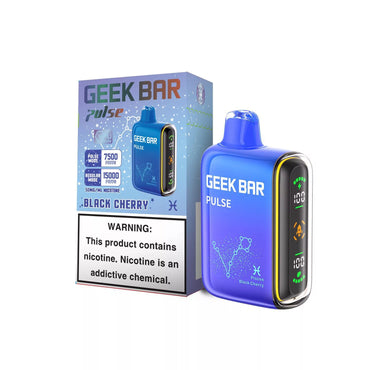
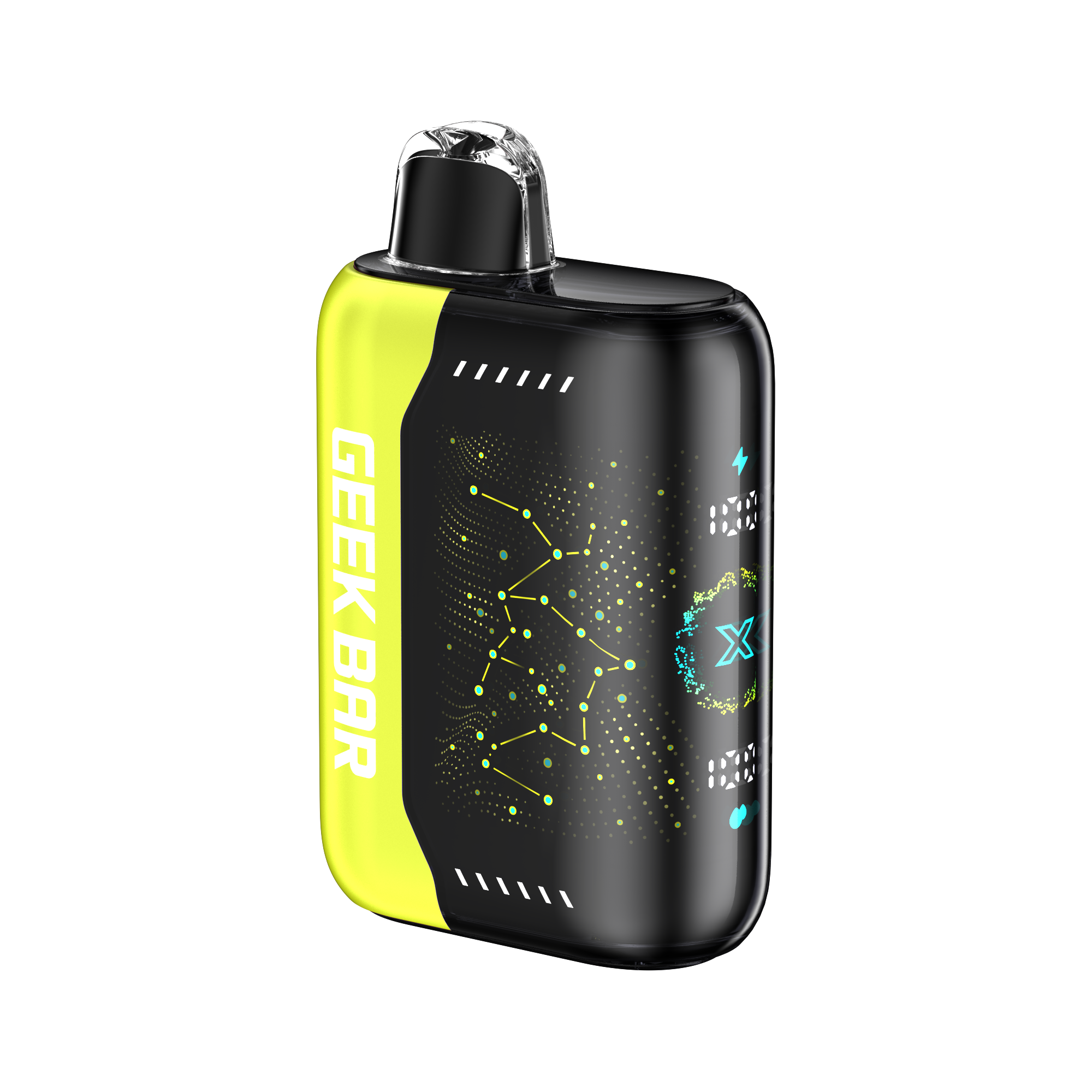
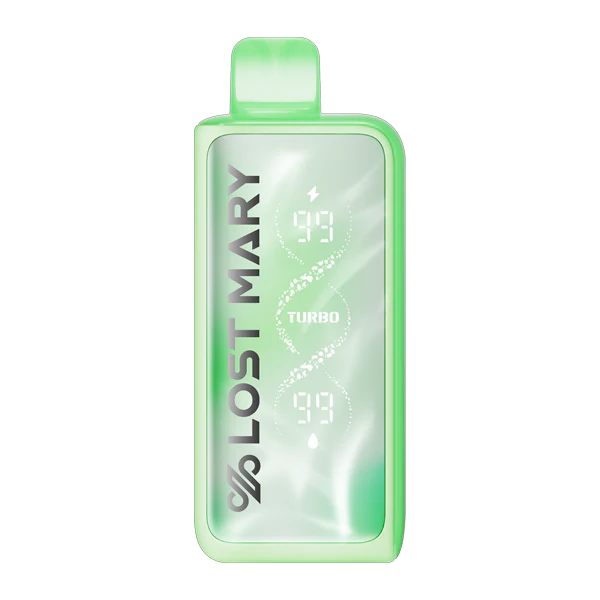
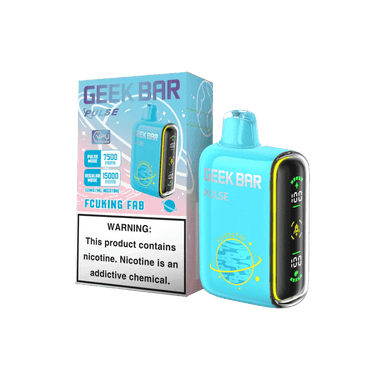
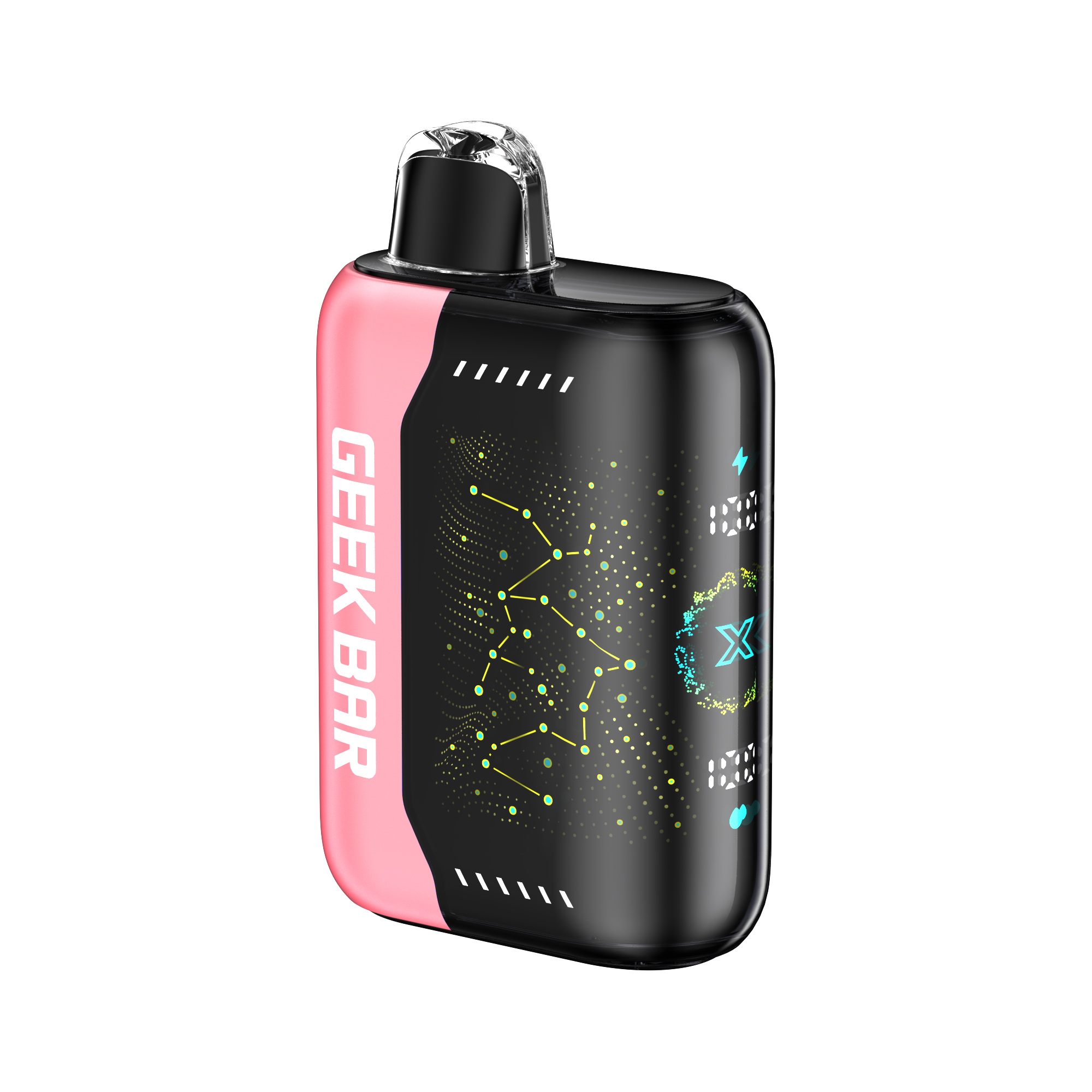
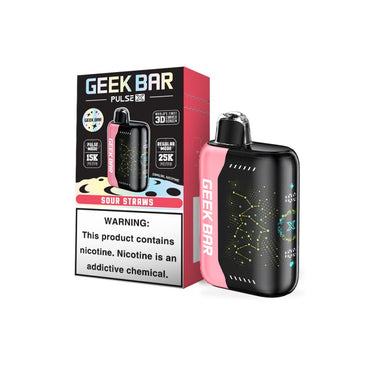
Disposable vapes have become the go-to choice for newcomers to vaping, offering pre-filled, ready-to-use devices that require zero setup or maintenance. If you're transitioning from traditional cigarettes or exploring vaping for the first time, understanding proper usage techniques ensures a satisfying experience while avoiding common beginner mistakes. This comprehensive guide walks you through everything from unboxing your first device to mastering inhaling techniques, troubleshooting issues, and following essential safety guidelines. Whether you've just purchased a Lost Mary MT15000, Geek Bar Pulse 15000, or any other popular model from our disposable vapes collection, this step-by-step tutorial eliminates confusion and sets you up for success.
What Is a Disposable Vape?
A disposable vape is an all-in-one electronic vaping device that comes pre-filled with e-liquid and pre-charged, designed for single-use until the e-liquid runs out or the battery depletes. Unlike refillable pod systems or complex box mods that require coil changes, e-liquid refills, and regular maintenance, disposable vapes eliminate these hassles by packaging everything into a compact, user-friendly format. You simply remove it from the package, take a puff, and dispose of it responsibly when finished—no buttons to press (in most cases), no settings to adjust, no learning curve beyond basic inhaling technique.
The appeal of disposables lies in their convenience and simplicity. They're ideal for smokers trying to quit cigarettes, casual users who vape occasionally, travelers who want hassle-free options, or anyone curious about vaping without committing to expensive starter kits. Modern disposables like the RAZ TN9000 or Nexa N20000 deliver consistent performance from first puff to last, with flavor quality that rivals refillable systems.

What Are the Main Components of a Disposable Vape?
Understanding your device's anatomy helps you use it correctly and troubleshoot problems. Every disposable vape contains five essential components working together to deliver vapor:
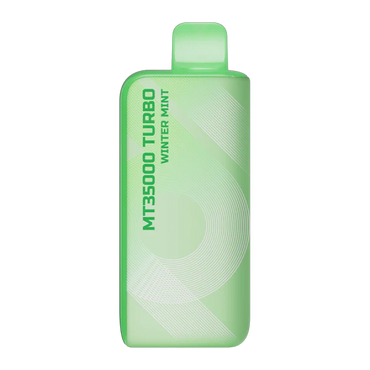
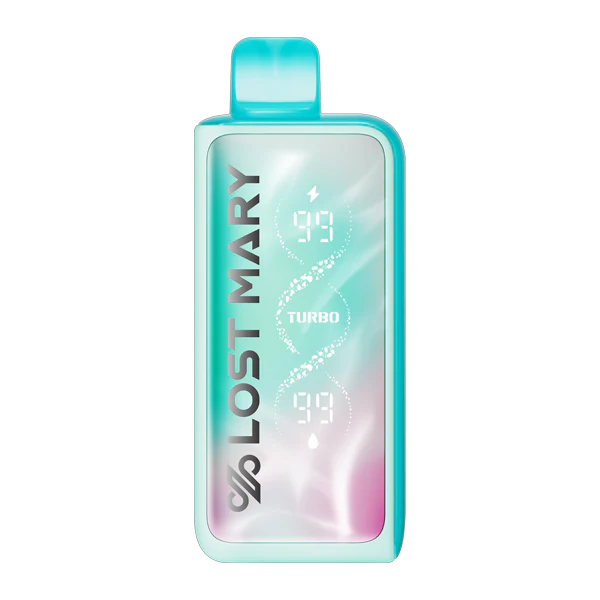
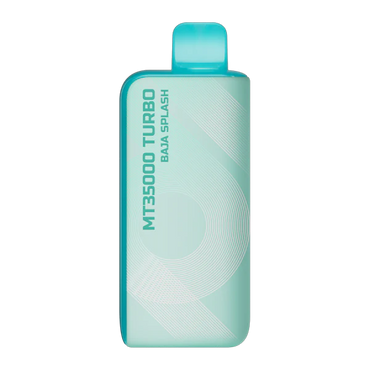
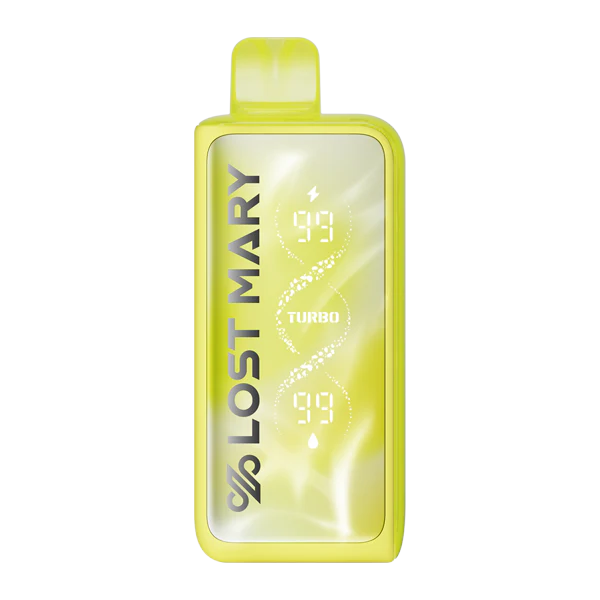
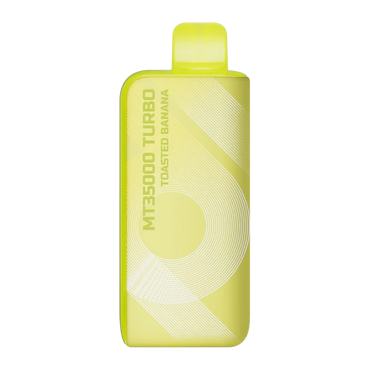
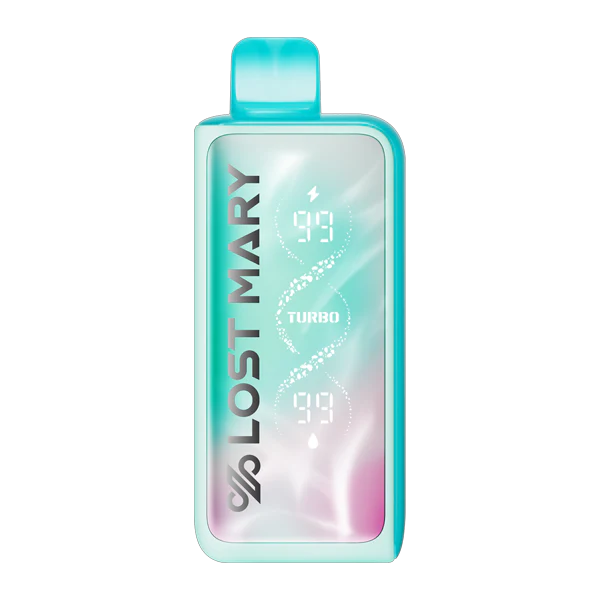
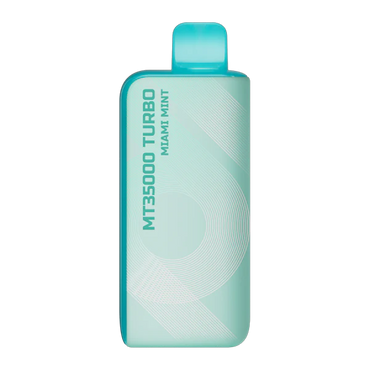
Battery: The power source, typically lithium-ion, provides energy to heat the coil. Early disposables featured non-rechargeable batteries (usually 280-550mAh), but newer high-capacity models like the Lost Mary MT35000 Turbo include rechargeable 850mAh batteries via USB-C charging ports, allowing you to use every drop of e-liquid.
Pre-filled E-liquid Reservoir: Factory-sealed tanks contain nicotine salt e-liquid in various strengths (typically 20mg/2% or 50mg/5%) and flavors. The reservoir connects directly to the coil, automatically feeding liquid through wicking material as you vape. Capacity ranges from 2ml in smaller devices to 20ml+ in mega-capacity options.
Atomizer/Heating Coil: This metal wire (often mesh construction for better flavor) heats up when you inhale, vaporizing the e-liquid into inhalable clouds. Quality coils maintain consistent performance throughout the device's lifespan, preventing burnt tastes even near the end.
Mouthpiece/Drip Tip: The part you place between your lips, designed for comfortable draws. Some feature adjustable airflow rings that let you control vapor density, while others come preset for optimal performance. The mouthpiece usually includes a protective silicone cap for hygiene during shipping.
LED Indicator Light: Located at the device's bottom or sides, this light activates during inhalation (confirming proper function) and communicates battery status through blinking patterns. Understanding LED signals helps you diagnose issues quickly.

What Types of Disposable Vapes Are Available?
The disposable vape market offers remarkable variety, with devices categorized primarily by activation method and puff count capacity. Understanding these classifications helps you select a device matching your usage habits and experience level.
What Is the Difference Between Draw-Activated and Button-Activated Disposables?
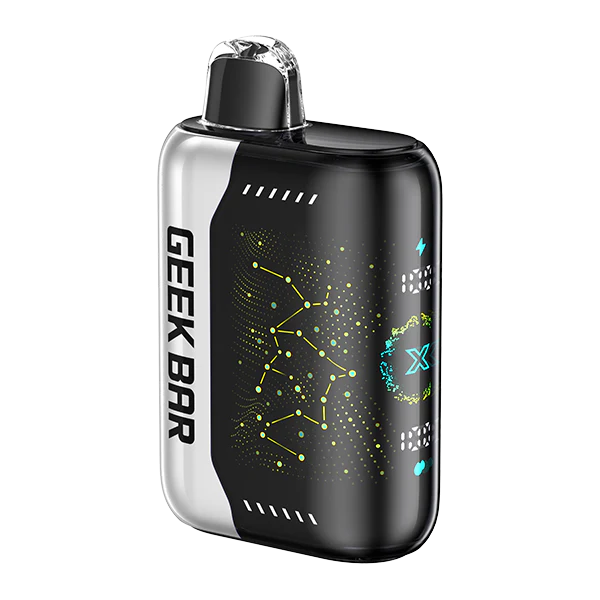
Draw-activated disposables (also called auto-draw or inhale-activated) represent the majority of modern devices. They contain internal sensors detecting airflow when you inhale, automatically firing the coil without requiring button presses. Simply put the mouthpiece to your lips and draw—the device handles everything else. This mimics the natural action of smoking cigarettes, making them perfect for beginners. Most popular models including the Geek Bar Pulse X 25000 use this intuitive system.
Button-activated disposables require pressing a power button (usually five times rapidly to turn on/off, then holding during inhalation). While less common, they offer advantages like preventing accidental activation in pockets and allowing users to see LED indicators before drawing. The tradeoff is slightly more complexity—you must remember to hold the button while inhaling, which feels less natural for cigarette smokers.
For first-time vapers, draw-activated devices provide the easiest transition with zero learning curve. Button-activated models suit users wanting more control or concerned about pocket-firing, though modern draw-activated devices include safeguards preventing accidental activation.

How Do Puff Counts Affect Your Choice?
Puff count indicates the manufacturer's estimate of total inhalations before depletion. This metric helps you gauge device longevity:
Low capacity (1,500-3,000 puffs): Compact devices like basic disposables fit discreetly in pockets, ideal for occasional users vaping a few times daily or travelers wanting backup devices. Expect 3-7 days of use for light vapers. Check our best-selling products for popular compact options.
Medium capacity (5,000-10,000 puffs): The sweet spot for regular daily users, offering 1-2 weeks of vaping for moderate users (100-200 puffs daily). Devices like the Vozol Gear 10000 balance portability with longevity. These suit most vapers as primary devices.
High capacity (15,000-50,000+ puffs): Designed for heavy users or those wanting maximum value, these last 2-8 weeks depending on usage intensity. The Lost Mary MT35000 Turbo or Off Stamp SW9000 minimize replacement frequency. While larger and heavier, they deliver exceptional cost-per-puff value for committed vapers.
Usage estimates: Light users (50 puffs/day) → 5,000-puff device lasts ~100 days. Moderate users (150 puffs/day) → ~33 days. Heavy users (300 puffs/day) → ~17 days. Your actual lifespan varies based on puff duration and frequency.
How Do You Use a Disposable Vape? (Step-by-Step Guide)
Proper usage technique maximizes flavor quality, vapor production, and device lifespan while preventing common issues like burnt tastes or leaking. Follow these four essential steps for optimal results.

Step 1: Unbox and Prepare Your Device
Remove your disposable vape from its retail packaging. You'll notice silicone plugs or rubber caps on both ends—one covering the mouthpiece (for hygiene) and another sealing the bottom airflow intake (preventing e-liquid leakage during shipping). Carefully remove both plugs before attempting to use the device. Failure to remove the bottom airflow plug is the #1 reason beginners think their device is broken—it blocks air from entering, preventing activation.
Inspect your device for visible damage from shipping—cracks, dents, or e-liquid leakage from the mouthpiece or bottom. Authentic devices from reputable sources rarely have issues, but checking prevents using damaged units. Verify the authentication sticker (usually a scratch-off code) matches the manufacturer's verification system if concerned about counterfeits. Quality devices like those in our new arrivals come with proper authentication.
For rechargeable models (identifiable by USB-C ports on the bottom), check if the device needs initial charging. Most come partially charged, but some require 30-60 minutes before first use. The LED indicator typically shows charging status—often red while charging, green/blue when complete.
Step 2: Activate Your Disposable Vape
For draw-activated devices (95% of disposables): Simply place the mouthpiece between your lips and inhale gently but steadily. The internal sensor detects airflow and automatically fires the coil, with the LED indicator lighting up to confirm activation. If nothing happens, ensure you removed both silicone plugs (especially the bottom airflow plug), then try inhaling slightly firmer. The sensor requires sufficient airflow to trigger.
For button-activated devices: Press the power button five times rapidly (within 2-3 seconds) to turn the device on—the LED should flash confirming power-on status. Then, press and hold the button while inhaling through the mouthpiece. Release the button when you finish your draw. To turn off (preventing pocket activation), press five times rapidly again. Some models feature three-click locks as an alternative safety mechanism.
First-puff tip: Your initial few puffs may taste slightly muted as the coil saturates fully with e-liquid. This is normal—take 3-4 gentle primer puffs without inhaling deeply to let the wick saturate completely, then your subsequent puffs will deliver full flavor. Never take hard, aggressive first puffs; they can burn dry wicking material before it fully saturates.
Step 3: Master the Correct Inhaling Technique
Inhalation technique dramatically affects satisfaction, throat hit intensity, and flavor perception. The two primary methods are mouth-to-lung (MTL) and direct-to-lung (DTL), with MTL being overwhelmingly recommended for beginners and disposable vapes.
Mouth-to-Lung (MTL) Technique — The cigarette-style draw perfect for disposables:
-
Draw vapor into your mouth first (not directly to lungs) with a slow, steady 3-5 second inhale through the mouthpiece. Imagine sipping through a coffee straw—gentle but consistent pressure.
-
Hold the vapor in your mouth for 1-2 seconds, allowing flavor to coat your palate and nicotine to begin absorption through oral mucosa.
-
Inhale the vapor into your lungs with a quick breath of fresh air, similar to the two-stage process of smoking cigarettes.
-
Exhale slowly through nose or mouth. Nasal exhaling enhances flavor perception through retrohaling (flavor compounds traveling up to olfactory receptors).
This technique maximizes nicotine satisfaction with high-strength disposables (20mg-50mg nicotine salts) while delivering prominent throat hit that mimics cigarette smoking. It's the natural technique for smokers transitioning to vaping. Devices in our fruit flavors collection and ice mint collection shine with proper MTL technique.
Common mistakes to avoid: Taking draws longer than 6 seconds (overheats coil, drains battery faster, causes burnt taste), chain vaping (taking puffs less than 20 seconds apart causes coil overheating), or inhaling too aggressively (floods coil with excess e-liquid, causing gurgling and spit-back). Wait 30-45 seconds between puffs to let the coil cool and wick re-saturate.

Step 4: Monitor Usage and Know When to Replace
Disposable vapes communicate their status through several indicators. Recognizing these signs prevents unpleasant experiences and helps you plan replacements:
Diminished flavor: The most obvious indicator—when your device starts tasting muted or "off" compared to fresh puffs, you're nearing the end. This happens as e-liquid levels drop and the wick struggles to stay saturated.
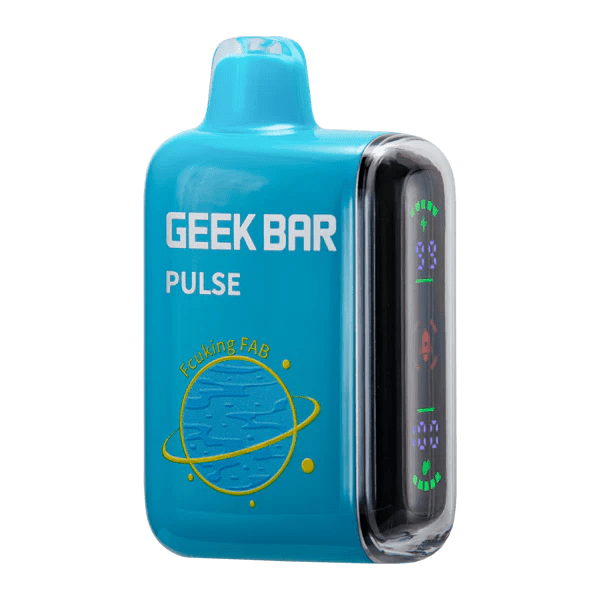
Reduced vapor production: Noticeably thinner clouds (even in Pulse/Boost mode on compatible devices) signal low e-liquid or battery depletion. If your Geek Bar Pulse produced massive clouds initially but now barely produces mist, it's time to replace.
Burnt taste: A harsh, acrid flavor (like burning paper or charred cotton) means the coil is firing without sufficient e-liquid saturation. Stop using immediately—continuing damages your throat and ruins the experience. This sometimes occurs with manufacturing defects, but more commonly signals the device is empty.
LED blinking patterns: Learn your device's signals. Continuous blinking (10+ times) typically indicates puff limit reached or e-liquid depletion. Rapid 3-5 blinks usually signal low battery (recharge if possible). Check manufacturer specifications for model-specific codes.
Puff counters (on equipped models like the Lost Mary MT35000): Digital screens display remaining puffs or battery percentage, eliminating guesswork. When the counter reaches zero or shows red battery icons, replacement time has arrived.
How Do You Choose the Right Nicotine Strength?
Nicotine strength selection critically impacts satisfaction, throat hit intensity, and potential side effects. Disposable vapes primarily use nicotine salts (nic salts), which deliver smoother throat hits at higher concentrations compared to freebase nicotine, making them ideal for mouth-to-lung vaping and cigarette replacement.
What Nicotine Levels Are Available?
0mg/0% (Nicotine-Free): Contains zero nicotine, offering only flavor and the hand-to-mouth habit satisfaction. Ideal for non-smokers curious about vaping, former smokers who've successfully quit nicotine but miss the ritual, or vapers gradually reducing nicotine intake to zero. These provide throat hit from flavoring compounds alone, which some find insufficient compared to nicotine-containing options. Check our zero nicotine collection for nicotine-free options.
3mg/0.3% (Very Light): The lowest nicotine strength available in disposables (rare in the US market). Suitable for ultra-light cigarette smokers (1-5 cigarettes daily) or vapers stepping down from higher concentrations. Produces minimal throat hit and subtle nicotine buzz—many cigarette smokers find this insufficient for cravings.
6mg/0.6% (Light): Uncommon in disposables but offered by some brands. Works for light smokers (5-10 cigarettes daily) or those who smoked ultra-light cigarettes. Provides gentle throat hit and mild nicotine satisfaction.
20mg/2% (Moderate): Popular in regions with nicotine regulations (like the UK's 20mg limit). Appropriate for moderate smokers (10-20 cigarettes daily), offering noticeable throat hit and satisfying nicotine delivery without overwhelming intensity. Many former pack-a-day smokers successfully transition with this strength.
50mg/5% (Strong - Most Common): The standard strength for US-market disposables like RAZ, Lost Mary, and Geek Bar devices. Designed for heavy smokers (pack-a-day or more) requiring robust nicotine delivery and pronounced throat hit. The high concentration satisfies cravings with fewer puffs compared to lower strengths—typically 10-15 MTL puffs equals one cigarette's nicotine content.
Selection guide based on smoking history:
-
Never smoked or quit years ago: Start with 0mg. Adding nicotine creates unnecessary addiction risk.
-
Light smoker (1-10 cigarettes daily): Begin with 20mg/2%. The 50mg/5% options may feel too intense.
-
Moderate smoker (10-20 cigarettes daily): Try 20mg/2% first; upgrade to 50mg/5% if cravings persist.
-
Heavy smoker (pack-a-day+): Start with 50mg/5% for adequate satisfaction. Lower strengths likely won't curb cigarette cravings effectively.
Side effects to watch: Nicotine overdose symptoms include nausea, dizziness, headaches, rapid heartbeat, or jitteriness. If experiencing these, reduce usage frequency or choose lower nicotine strength. Nicotine is highly addictive—non-smokers should avoid nicotine-containing products entirely.

What Common Issues Might You Encounter?
Even quality disposables occasionally present challenges. Understanding solutions prevents frustration and wasted devices.
Why Is My Disposable Vape Not Producing Vapor?
First, verify you removed all silicone plugs—especially the bottom airflow plug, which blocks air intake and prevents sensor activation. This accounts for 70% of "my device won't work" complaints from beginners. Check both the mouthpiece and bottom for rubber caps.
Ensure adequate battery charge on rechargeable models. Connect your device to a USB-C charger (5V/1A recommended) for 45-90 minutes. The LED indicator should illuminate during charging—if it doesn't, try a different cable or adapter. Dead batteries obviously can't fire coils.
Verify LED activation when inhaling. If the light doesn't illuminate during draws, the battery may be depleted, the device is defective, or (for button-activated models) you haven't turned it on via five rapid clicks. Try inhaling slightly firmer to trigger the sensor.
Check for airflow blockages. Inspect the mouthpiece and bottom air intakes for debris, dust, or condensation blocking airflow. Gently wipe with a clean tissue. Some devices accumulate e-liquid condensation in the air channel—a quick puff without inhaling can clear it.
Try adjusting draw strength. Some sensors require firmer inhalation than others. Experiment with gentle vs. moderate draw pressure to find your device's sweet spot. Avoid extremely hard draws, which can flood the coil.
Device may be empty. Even with apparent e-liquid visible, wicking might not reach remaining liquid effectively. If you've been using the device for days/weeks and experiencing these issues, it's likely depleted. Browse our high puff count picks for longer-lasting replacements.

What Does a Burnt Taste Mean and How Do You Prevent It?
Burnt taste (harsh, acrid flavor resembling charred cotton) results from dry hits—the coil firing without sufficient e-liquid saturation. This unpleasant experience can occur even in new devices under certain conditions.
Primary cause: Chain vaping. Taking puffs less than 30 seconds apart prevents adequate wick re-saturation between draws. The coil heats up faster than the wick absorbs e-liquid from the reservoir, causing the cotton-like wicking material to scorch. Solution: Wait 30-60 seconds between puffs, especially when vaping in Pulse/Boost modes that deliver higher wattage.
Low e-liquid levels. As your device nears depletion, gravity affects liquid distribution—holding the device horizontally or upside-down prevents remaining e-liquid from reaching the wick efficiently. Solution: Store your device upright (mouthpiece up) when not in use, especially when over 50% depleted. This ensures liquid pools near the wick inlets.
Manufacturing defects. Rarely, devices leave the factory with insufficiently saturated wicks or defective coils. If your brand-new device tastes burnt on the first few puffs despite proper priming, it's likely defective. Solution: Contact the retailer for replacement under warranty. Authentic devices from reputable sources like our brands collection rarely have these issues.
Prevention tips: Prime new devices with 3-4 gentle puffs (without inhaling) to saturate wicks fully before aggressive draws. Take shorter puffs (3-5 seconds max). Avoid extended high-power sessions. Store upright. Once burnt taste develops, it doesn't reverse—the scorched wick material taints subsequent puffs. Replace the device.
What Do LED Light Indicators Mean?
LED lights communicate device status through color and blinking patterns. While specific signals vary by manufacturer, these are common interpretations:
Solid light during draw (white, blue, or rainbow): Normal operation. The device is functioning correctly, firing the coil as you inhale. Some models like the Geek Bar Pulse X feature animated LED patterns during use for aesthetic appeal.
Blinking 3-5 times when attempting to draw: Low battery warning (rechargeable models). The device has insufficient power for normal operation. Solution: Connect to USB-C charger immediately. For non-rechargeable devices, this indicates battery depletion—time to replace the device.
Blinking 10+ times rapidly: Device empty or puff limit reached. The device has counted maximum puffs or detected no e-liquid remaining. This is normal end-of-life behavior. Dispose of properly and replace. Check our clearance section for deals on replacements.
Continuous blinking without stopping: Short circuit or malfunction detected. The device's safety mechanism has activated, preventing use to avoid battery damage or safety hazards. Do not attempt to charge or use. Dispose of properly at a battery recycling center and contact the retailer if purchased recently.
Red light (specific models): Often indicates critical battery level (recharge immediately) or device lock status. Consult your specific model's manual.
No light when inhaling: Battery dead, device empty, or power button not activated (button models). Try charging if rechargeable; otherwise, replace the device.

What Safety Guidelines Should You Follow?
Responsible vaping involves proper storage, awareness of health considerations, and understanding legal restrictions.
How Should You Store and Handle Your Disposable Vape?
Temperature management: Store devices in cool, dry environments between 59-77°F (15-25°C). Extreme heat (above 95°F/35°C) accelerates e-liquid degradation, affects flavor quality, damages lithium-ion batteries, and increases leaking risk. Never leave disposables in hot cars (dashboard temperatures can exceed 150°F/65°C in summer), direct sunlight, or near heaters. Extreme cold (below 32°F/0°C) temporarily reduces battery performance and thickens e-liquid, affecting vapor production—warm the device to room temperature before use.
Orientation matters: Store devices upright with mouthpiece pointing up whenever possible. This orientation prevents e-liquid from leaking through the mouthpiece and keeps liquid properly positioned near wick inlets for optimal saturation. Horizontal or upside-down storage (common in purses or pockets) can cause leaking and pooling, especially in older devices with depleted e-liquid.
Moisture protection: Keep devices away from water, high humidity environments (bathrooms during showers), and liquids. While most feature basic splash resistance, disposables aren't waterproof. Water exposure can damage electronics, cause short circuits, or dilute e-liquid. If accidental exposure occurs, dry thoroughly before attempting use.
Pocket safety: When carrying in pockets, ensure the mouthpiece points upward and nothing presses against the device (keys, coins). Most modern draw-activated devices include safety mechanisms preventing accidental activation, but heavy pressure can trigger sensors or damage internal components. Consider protective cases for daily carry.
Keep away from children and pets: Store in secure locations inaccessible to minors and animals. The colorful appearance and fruity scents attract children, and nicotine poisoning can occur from ingestion or skin contact with e-liquid. Some states require child-resistant packaging by law.
What Health and Legal Considerations Should You Know?
Age restrictions: Federal law (in the US) prohibits the sale of vaping products to anyone under 21 years old. Some states enforce 18+ laws, but 21+ is the federal standard. Always verify the legal purchasing age in your jurisdiction before buying. Retailers must verify ID for all customers appearing under 27 years old.
Nicotine addiction: Nicotine is a highly addictive substance. Vaping products containing nicotine are intended for adult smokers seeking alternatives to combustible cigarettes, not for non-smokers or non-nicotine users. Starting vaping as a non-smoker creates unnecessary addiction risk. Once addicted, quitting requires significant effort and may involve withdrawal symptoms (irritability, anxiety, difficulty concentrating).
Not FDA-approved smoking cessation devices: While many smokers successfully transition from cigarettes to vaping, disposable vapes are not FDA-approved as smoking cessation products. If your goal is quitting nicotine entirely, consult healthcare professionals about evidence-based cessation methods (nicotine replacement therapy, prescription medications, behavioral counseling). However, Public Health England and other organizations recognize vaping as significantly less harmful than smoking.
Pregnancy and nursing: Pregnant and breastfeeding women should avoid all nicotine products, including vaping. Nicotine crosses the placenta and enters breast milk, potentially affecting fetal/infant development. If you're pregnant and struggling to quit smoking, discuss FDA-approved cessation methods with your obstetrician.
Pre-existing conditions: Individuals with cardiovascular diseases, respiratory conditions (asthma, COPD), high blood pressure, or diabetes should consult physicians before vaping. Nicotine increases heart rate and blood pressure, potentially exacerbating these conditions. While vaping eliminates combustion byproducts from smoking, it's not risk-free.
Not for non-smokers: If you don't currently smoke or use nicotine products, don't start vaping. The potential risks (nicotine addiction, unknown long-term effects) outweigh any perceived benefits. Vaping is intended as a harm reduction tool for existing smokers, not a recreational activity for non-users.
Legal compliance: Vaping laws vary dramatically by location. Some areas ban flavored products, restrict nicotine concentrations, prohibit public vaping, or impose additional taxes. Research your local and state regulations. Never vape where prohibited (airplanes, federal buildings, schools, many workplaces). Respect property owners' rules and other people's space.
How Can You Optimize Your Disposable Vape Experience?
Advanced users can enhance device longevity, identify quality products, and practice responsible disposal through these practical strategies.
What Tips Help Extend Device Lifespan?
Moderate puff duration: Limit individual draws to 3-5 seconds maximum. Longer draws (6+ seconds) provide diminishing returns in vapor production while unnecessarily stressing the coil and depleting battery faster. Shorter, more frequent puffs deliver the same satisfaction with less strain on components.
Implement waiting periods: Allow 30-60 seconds between puffs for coil cooling and wick re-saturation. This single habit prevents 90% of premature burnt taste issues and significantly extends the time before flavor degradation. Chain vaping (rapid consecutive puffs) is the fastest way to ruin a disposable's performance.
Upright storage: Always store devices vertically with mouthpiece up when not actively vaping. Gravity ensures e-liquid stays properly positioned near wick inlets, maintaining saturation and preventing dry hits as the reservoir depletes. This becomes increasingly important as devices pass 50% depletion.
Temperature control: Avoid temperature extremes. Don't leave devices in hot cars (kills battery life and degrades e-liquid), direct sunlight, or freezing conditions. Room temperature (68-72°F/20-22°C) optimal.
Rechargeable model care: For devices with USB-C ports, charge before battery completely dies (when LED starts blinking). Complete battery depletion can prevent recharging on some models. Use 5V/1A adapters (standard phone chargers), avoiding fast-charging adapters that can damage disposable vape batteries. Disconnect once fully charged (indicator light changes color or turns off).
How Do You Identify Quality Brands and Avoid Counterfeits?
Purchase from authorized retailers: Buy exclusively from legitimate vape shops and authorized online retailers like OnlineVapeShop.us. Counterfeit disposables flood unauthorized markets (gas stations, convenience stores in some regions, third-party marketplaces), containing unknown e-liquid ingredients, inferior batteries, and absent safety features.
Verify authentication codes: Reputable manufacturers include scratch-off verification stickers with unique codes. Scratch off the coating and enter the code on the manufacturer's official website to verify authenticity. Each code should only work once—if it shows "already verified," you likely have a counterfeit. Brands like Geek Bar, Lost Mary, and RAZ use this system.
Inspect packaging quality: Authentic products feature professional packaging with sharp graphics, proper spelling/grammar, complete ingredient lists, nicotine warnings, and manufacturer information. Counterfeits often have pixelated logos, typos, color variations from official images, or missing regulatory information. Compare received products to official photos on manufacturer websites.
Check build quality: Genuine devices exhibit consistent manufacturing—straight mouthpieces, even LED indicator placement, secure bottom caps, clean welds/seams, and no rattling internal components. Counterfeits often feel flimsy, have misaligned parts, loose connections, or visible glue residue.
Price reality check: If the deal seems too good to be true, it probably is. Authentic high-capacity disposables cost $15-30 depending on puff count and features. Prices significantly below market rate (under $10 for 10,000+ puff devices) strongly suggest counterfeits or expired stock.
Verify seller authorization: Check the manufacturer's website for authorized retailer lists. If your source isn't listed, contact the manufacturer to verify before purchasing. Our new arrivals collection features only authentic products from authorized sources.
How Should You Properly Dispose of Used Disposables?
Disposable vapes contain lithium-ion batteries and electronic components, making them e-waste that requires special disposal procedures. Never throw disposables in regular household trash—doing so creates environmental hazards and is illegal in many jurisdictions.
Locate e-waste recycling centers: Most cities operate e-waste collection programs accepting batteries and electronics. Visit Earth911.com or Call2Recycle.org to find facilities near you. Many accept disposable vapes during scheduled collection events or at permanent drop-off locations.
Retailer take-back programs: Some vape shops offer recycling programs, accepting used disposables from customers free of charge. Ask your local vape store or check if online retailers like us provide prepaid recycling mailers. This convenient option ensures proper handling while reducing your environmental impact.
Battery-specific recycling: Hardware stores (Home Depot, Lowe's) and electronics retailers (Best Buy) often maintain battery recycling bins near entrances. While primarily for household batteries, many accept disposable vapes. Call ahead to verify acceptance policies.
Advanced users (not recommended for beginners): Technically, you can disassemble disposables to separate lithium batteries from other components, recycling each part appropriately. This requires extreme caution—lithium batteries can short-circuit if punctured, causing fires or explosions. Only attempt if you have experience handling electronics and use proper tools and safety equipment.
Do NOT: Throw disposables in regular trash (lithium batteries can ignite in compactors), flush down toilets (water contamination), or incinerate (toxic fumes and explosion risk). Many regions impose fines for improper e-waste disposal.
Environmental responsibility: The vaping industry faces criticism for disposable device waste. By recycling properly, you help minimize environmental impact while supporting regulatory arguments favoring disposables' continued availability. Consider high-capacity devices (20,000-50,000 puffs) to reduce replacement frequency and waste volume. Our high puff count collection offers eco-friendly longer-lasting options.
What Features Should Beginners Look For?
Activation type: Choose draw-activated devices for simplicity. They eliminate the learning curve of button-operated models, mimicking the natural smoking motion. Nearly all modern disposables use this system, including popular options in our best vape flavors collection.
Nicotine strength: Match your smoking habits—20mg/2% for light-to-moderate smokers, 50mg/5% for heavy smokers. Don't start with 50mg/5% if you smoked fewer than 10 cigarettes daily; the intensity may feel overwhelming. Our tobacco flavors collection offers familiar options for transitioning smokers.
Puff count balance: Beginners benefit from 5,000-10,000 puff devices—enough longevity to evaluate vaping without overwhelming commitment. Models like the Lost Mary MO5000 or Funky Lands Ti7000 provide ideal starting capacity.
LED indicators: Visible LED lights confirm the device is working and communicate battery/puff count status. This feedback reassures beginners that they're using the device correctly.
Established brands: Stick with recognized manufacturers (Geek Bar, Lost Mary, RAZ, Elf Bar) with proven quality control, customer support, and widespread availability. Lesser-known brands may offer lower prices but inconsistent performance.
Price point: Budget $15-25 for quality mid-capacity devices. While budget options exist, they often sacrifice flavor quality, coil longevity, or battery reliability. Invest slightly more for better first impressions.
Flavor accessibility: Start with universally appealing flavors—mint/menthol (cleanest flavor perception), fruit blends (strawberry, watermelon, mango), or tobacco (for smokers wanting familiarity). Avoid overly complex or extreme flavors (heavy desserts, unfamiliar fruits) until you understand your preferences. Browse our fruit flavors for beginner-friendly options.