How Do Vapes Work? Complete Guide to E-Cigarette Mechanics and Components
Vaping devices have revolutionized nicotine consumption through innovative technology that converts liquid into inhalable vapor. Understanding how vapes work helps users make informed decisions about their devices. Modern e-cigarettes operate through a simple yet sophisticated process: a battery powers a heating coil that vaporizes e-liquid stored in a tank or pod, creating an aerosol inhaled through a mouthpiece. This guide explores the essential components, working mechanisms, and technology behind vaping devices to provide comprehensive knowledge for both beginners and experienced vapers.
What Are Vapes and How Do They Function?
Vapes are battery-operated electronic devices that heat liquid to produce an inhalable aerosol, commonly referred to as vapor. Unlike traditional cigarettes that burn tobacco, vaping devices use electrical power to vaporize e-liquid without combustion.
The fundamental difference between vapes and traditional cigarettes lies in their operation method. Traditional cigarettes rely on combustion—burning tobacco at temperatures exceeding 600°C—which produces smoke containing thousands of harmful chemicals. Vapes, however, operate at much lower temperatures (typically 200-250°C) and create vapor through a controlled heating process rather than burning.
This temperature difference is crucial. Combustion produces tar, carbon monoxide, and numerous carcinogens found in cigarette smoke. Vaping eliminates combustion entirely, heating e-liquid just enough to change its phase from liquid to aerosol without burning any material. While vaping is not risk-free, this fundamental mechanical difference distinguishes the two products.

What Is the Basic Working Mechanism of E-Cigarettes?
The basic mechanism follows a straightforward sequence. When a user activates the device (either by pressing a button or inhaling), the battery sends electrical current to the heating coil. This coil, which sits in contact with a wick soaked in e-liquid, rapidly heats up. As the coil temperature rises, it vaporizes the e-liquid absorbed by the wick, transforming it from liquid to aerosol.
The newly formed vapor travels through the device's airflow system and exits through the mouthpiece, where the user inhales it into their lungs. The entire process occurs in milliseconds, providing instant vapor production upon activation. Modern devices incorporate sensors and circuitry to regulate temperature, prevent overheating, and ensure consistent vapor output with each puff.
What Are the Essential Components That Make Vapes Work?
Every vaping device, regardless of size or complexity, contains several core components that work together to produce vapor. Understanding these parts reveals how the mechanical process transforms liquid into inhalable aerosol.
How Does the Battery Power the Vaping Device?
The battery serves as the power source for all vaping operations, typically using rechargeable lithium-ion cells. These batteries are chosen for their high energy density, allowing compact devices to deliver substantial power. Vaping batteries range from small 280mAh cells in disposables to powerful 3000mAh+ batteries in advanced box mods.
Modern vaping devices incorporate sophisticated battery management systems. These systems regulate voltage output, prevent overcharging, monitor discharge rates, and protect against short circuits. Built-in batteries charge via USB-C or micro-USB ports, while some advanced devices use replaceable 18650 or 21700 battery cells that users can swap out when depleted.

What Role Does the Heating Coil and Wick Play?
The coil is the heart of vapor production—a resistive heating element that converts electrical energy into heat. Most coils consist of thin wire (kanthal, nichrome, or stainless steel) wrapped in a coil shape, though modern mesh coils use perforated metal sheets for larger heating surfaces. When electricity flows through the coil's resistance, it generates heat sufficient to vaporize e-liquid.
The wick works in tandem with the coil, acting as a delivery system that draws e-liquid from the reservoir to the heating element. Typically made from organic cotton, the wick absorbs e-liquid through capillary action and maintains saturation around the coil. This ensures consistent liquid supply during vaping. If the wick dries out—a condition called "dry hitting"—the coil burns the cotton instead of vaporizing liquid, producing an unpleasant burnt taste and potentially harmful compounds.
How Does the Tank or Pod Store and Deliver E-Liquid?
The tank or pod serves as the e-liquid reservoir, holding anywhere from 2ml to 8ml of vape juice depending on the device design and regional regulations. Traditional vape tanks feature glass or plastic cylindrical reservoirs with replaceable coil assemblies at the base. These tanks are refillable, allowing users to add their preferred e-liquid when empty.
Pod systems represent a more modern approach. Pods are compact, often translucent cartridges that either come prefilled with e-liquid (closed systems) or feature refillable designs (open systems). They typically use magnetic or friction-fit connections to attach to the battery unit. The reservoir design ensures e-liquid flows to the wick through small wicking ports while preventing leaks through careful engineering of internal pressure and airflow channels.

What Is the Function of the Mouthpiece and Airflow System?
The mouthpiece, also called a drip tip, provides the inhalation point where users draw vapor from the device. Mouthpiece diameter significantly impacts the vaping experience—wider openings allow more airflow for direct-to-lung (DTL) vaping that produces large vapor clouds, while narrower tips create restricted draws for mouth-to-lung (MTL) vaping that mimics cigarette-like draws.
The airflow system controls how much air mixes with vapor during inhalation. Most devices feature adjustable airflow rings or slots that users can open or close. Open airflow cools the vapor, reduces throat hit, and enables high-power vaping. Restricted airflow concentrates flavor, increases throat sensation, and suits lower-power devices. Proper airflow design also maintains optimal coil temperature—too little air causes overheating while excessive air cools the coil too quickly, reducing vapor production.
How Does E-Liquid Transform Into Vapor?
The transformation from liquid to vapor involves both physical phase changes and chemical processes. Understanding e-liquid composition and the vaporization mechanism reveals what users actually inhale.

What Ingredients Are Found in E-Liquid?
E-liquid contains four primary ingredients: vegetable glycerin (VG), propylene glycol (PG), nicotine, and flavorings. VG is a thick, sweet liquid derived from vegetable oils that produces dense vapor clouds. PG is a thinner liquid that carries flavor more effectively and provides throat hit—the sensation felt when inhaling. E-liquids use varying VG/PG ratios (common ratios include 50/50, 70/30, or 80/20) to balance vapor production and flavor intensity.
Nicotine content varies widely, from 0mg (nicotine-free) to 50mg/ml in salt nicotine formulations. Freebase nicotine, found in traditional e-liquids, provides a stronger throat hit but can be harsh at high concentrations. Nicotine salts use benzoic acid to reduce harshness, enabling higher nicotine levels suitable for pod systems. Flavorings comprise food-grade additives that create the diverse taste profiles available—from tobacco and menthol to fruits, desserts, and beverages.
What Happens When the Coil Heats E-Liquid?
When the coil reaches operating temperature (typically 200-250°C), it initiates a phase change in the surrounding e-liquid absorbed by the wick. The liquid rapidly vaporizes, transforming into an aerosol of tiny droplets suspended in air. This process differs from boiling—the liquid doesn't need to reach its boiling point; instead, the intense localized heat causes rapid evaporation at the liquid-air interface.
During vaporization, the chemical structure of VG and PG remains largely intact, though some thermal degradation occurs at higher temperatures. Research indicates that overheating can produce formaldehyde and acetaldehyde—compounds with known health concerns. Modern regulated devices prevent excessive temperatures through built-in protections. The resulting aerosol contains vaporized VG and PG, nicotine particles, flavor molecules, and water vapor, creating the visible "cloud" users exhale.

What Are the Different Types of Vaping Devices and How Do They Work?
Vaping devices come in various form factors, each with distinct mechanical characteristics. Understanding device types helps users choose systems matching their preferences and experience levels.
How Do Disposable Vapes Function?
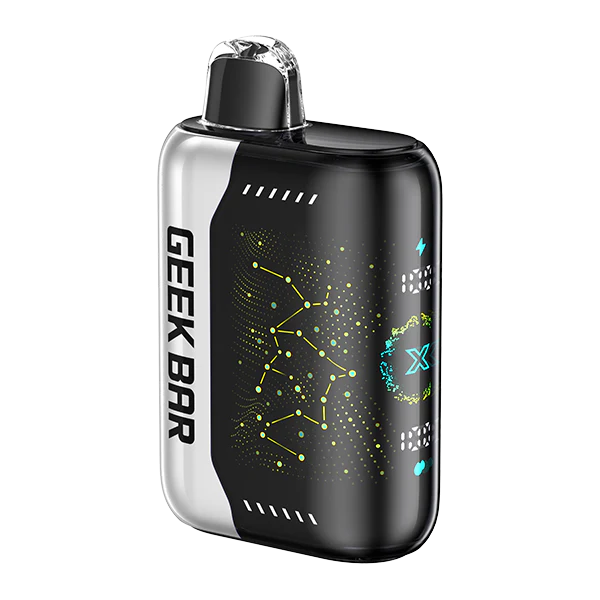
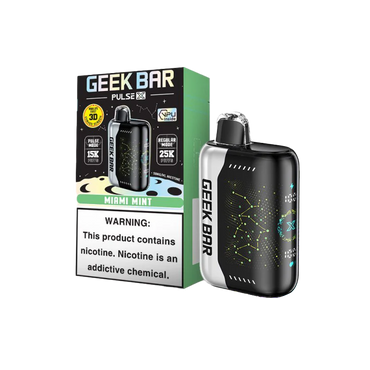
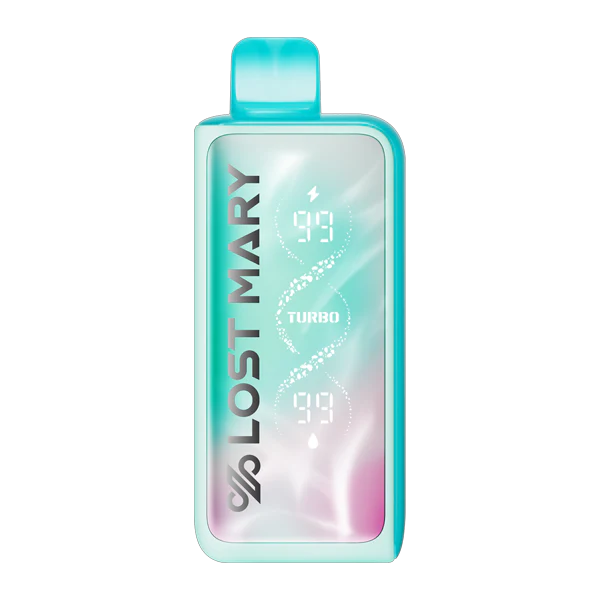
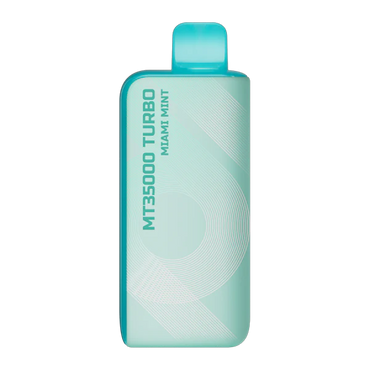
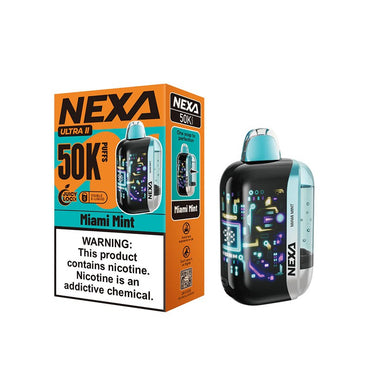
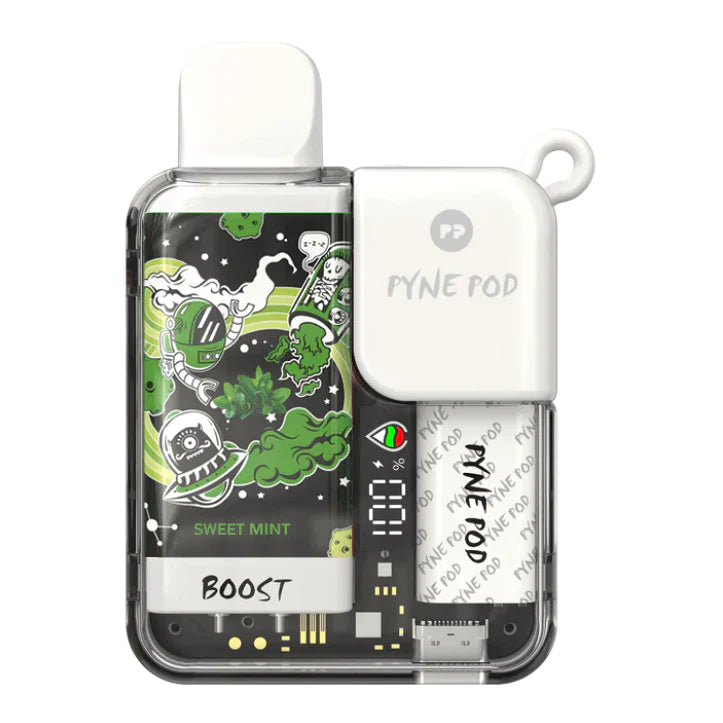
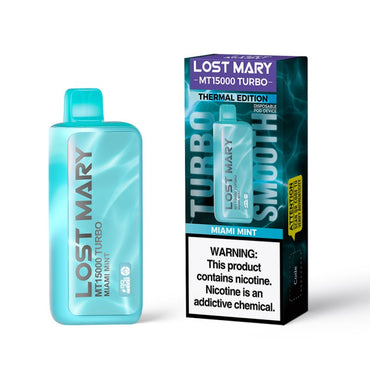
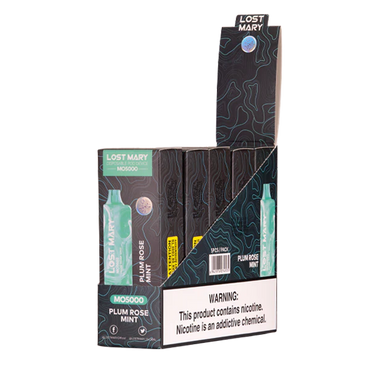
Disposable vapes are all-in-one devices featuring integrated batteries, prefilled e-liquid reservoirs, and built-in coils designed for single use. These devices arrive fully charged and ready to vape immediately upon opening. They typically offer 300-7500+ puffs depending on battery capacity and e-liquid volume, with modern disposables like Lost Mary MT35000 Turbo and Geek Bar Pulse X 25000 providing extended lifespans.
The simplicity of disposables makes them popular among beginners. When the e-liquid depletes or battery drains, users discard the entire unit rather than refilling or recharging. Most disposables use draw-activated mechanisms—sensors detect inhalation and automatically activate the heating element without requiring buttons. This automatic operation mimics the natural smoking motion, making the transition from cigarettes easier for new vapers.

How Do Pod Systems Work?
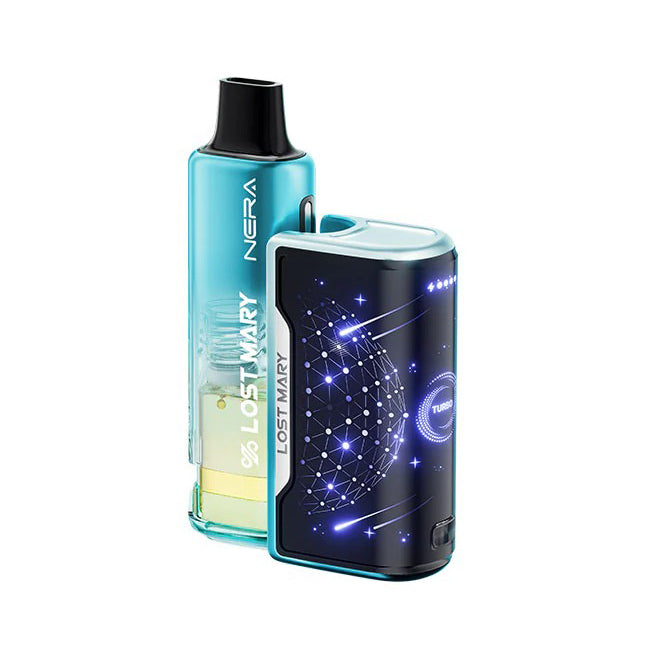
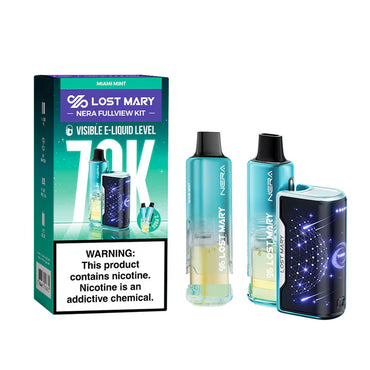
Pod systems separate the device into two main components: a rechargeable battery unit and replaceable pods containing e-liquid and coils. This modular design offers convenience while maintaining portability. Pods attach to batteries via magnetic connections or simple snap-fit mechanisms, allowing quick pod changes when e-liquid runs out or users want to switch flavors.
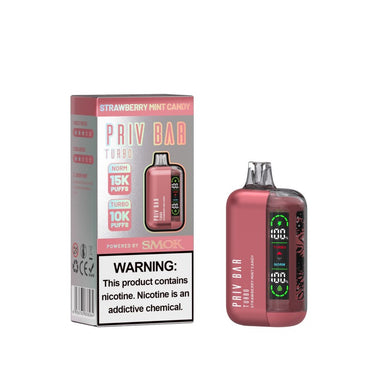
Closed pod systems use proprietary prefilled pods designed specifically for each device brand, such as JUUL or Vuse systems. Open pod systems like Caliburn G3 feature refillable pods where users add their own e-liquid. Pod systems typically operate at lower wattages (10-25W) compared to larger devices, prioritizing efficiency and nicotine delivery over massive vapor production. This makes them ideal for nicotine salt e-liquids and mouth-to-lung vaping styles.
What Makes Vape Pens and Box Mods Different?
Vape pens feature cylindrical tube designs with integrated batteries and simple operation, bridging the gap between basic devices and advanced systems. They typically offer 1500-3000mAh battery capacity, basic variable voltage control, and use standard tank attachments. Vape pens suit users wanting more battery life than pods but less complexity than box mods. Their pen-like form factor provides comfortable ergonomics and pocket portability.
Box mods represent the most advanced category, featuring rectangular chassis housing large batteries (often dual 18650 cells), sophisticated chipsets, and extensive customization options. These devices support variable wattage (5-200W+), temperature control, custom power curves, and detailed OLED displays showing battery life, resistance, voltage, and puff counters. Box mods like the Vaporesso Gen Max pair with sub-ohm tanks enabling direct-lung vaping with massive vapor production. While complex, box mods provide experienced vapers ultimate control over their vaping experience through precise adjustment of every variable affecting vapor production.

What Is the Complete Step-by-Step Vaping Process?
Understanding the complete operational sequence reveals how individual components synchronize to produce vapor within milliseconds of activation.
How Do You Activate a Vaping Device?
Vaping devices use two primary activation methods. Button-activated devices require users to press a fire button while inhaling. This manual control gives users precise timing over vapor production and prevents accidental activation in pockets or bags. Most button-activated devices require five quick presses to turn on/off and three presses to adjust settings, preventing unintended firing.
Draw-activated devices eliminate buttons entirely, using sensitive pressure sensors or airflow switches that detect inhalation. When a user draws air through the mouthpiece, the device recognizes the pressure change or airflow and automatically triggers the heating cycle. This automatic operation feels more intuitive, especially for smokers transitioning to vaping, though it may drain batteries faster if accidentally triggered.
What Happens During the Heating and Vaporization Cycle?
The vaping cycle begins the moment of activation, when the battery management system releases stored electrical energy to the coil. Current flows through the coil's resistance, generating heat through the Joule heating effect (I²R heating). Within 0.1-0.3 seconds, the coil reaches vaporization temperature.
As the coil heats, the e-liquid saturating the wick absorbs thermal energy and undergoes rapid phase change from liquid to gas. VG and PG molecules gain enough kinetic energy to break free from liquid state, forming an aerosol of microscopic droplets. This process is nearly instantaneous—modern coils reach operating temperature in under half a second.
Simultaneously, the user's inhalation creates negative pressure that draws air through intake vents, mixing with the newly formed vapor. This air-vapor mixture travels through the chimney (internal airway), exits the mouthpiece, and enters the user's mouth and lungs. The entire process—from activation to inhalation—completes in 1-3 seconds for a typical puff. When the user stops inhaling or releases the fire button, the circuit breaks, the coil rapidly cools, and vapor production ceases immediately.

What Safety Features Are Built Into Modern Vaping Devices?
Modern vaping devices incorporate multiple safety mechanisms to protect users and extend device lifespan. Understanding these features reveals how engineering prevents common hazards.
How Do Overcharge and Short Circuit Protections Work?
Battery management systems (BMS) in modern vapes include integrated circuit (IC) chips that continuously monitor voltage, current, and temperature. These chips prevent overcharging by automatically stopping power flow once batteries reach full capacity (typically 4.2V for lithium-ion cells), preventing battery degradation and potential thermal runaway that could cause swelling or rupture.
Short circuit protection detects abnormally low resistance (typically below 0.1Ω) that could cause excessive current draw. When detected, the device immediately cuts power and displays an error message like "Short" or "Atomizer Short." This prevents coil damage, battery strain, and potential fire hazards. Additional safeguards include:
-
Low voltage cutoff: Stops operation when battery drops below safe levels (typically 3.2V), protecting cells from over-discharge damage
-
Overheating protection: Temperature sensors shut down devices reaching unsafe heat levels (usually 60-80°C)
-
Timeout protection: Limits continuous firing to 10-15 seconds, preventing coil burnout and battery strain
These integrated safety systems make properly manufactured vaping devices remarkably safe when used as intended, with incidents extremely rare among regulated products from reputable manufacturers.
How Do Advanced Features in Smart Vapes Work?
Higher-end vaping devices incorporate sophisticated technology that elevates user experience beyond basic vapor production. Smart features provide customization, monitoring, and enhanced safety.
What Are OLED Screens and Variable Wattage Used For?
OLED (Organic Light-Emitting Diode) displays show real-time device information including current wattage, voltage, battery percentage, coil resistance, and puff counter. These bright, high-contrast screens remain visible in direct sunlight and consume minimal power. Users navigate menus using control buttons to adjust settings, view statistics, and configure device behavior.
Variable wattage allows users to adjust power output (typically 5-200W) to match their coil resistance and vaping preference. Higher wattage produces more vapor and warmer temperatures, while lower wattage conserves battery and e-liquid while producing cooler vapor. The device automatically calculates optimal voltage based on selected wattage and detected coil resistance using Ohm's Law (P = V²/R).
Temperature control (TC) mode represents advanced functionality where devices regulate coil temperature rather than just power output. Using temperature coefficient of resistance (TCR), the device monitors how coil resistance changes with temperature. When the coil reaches the user-set temperature limit (typically 200-315°C), the device reduces power to maintain that temperature rather than continuing to heat. This prevents dry hits, extends coil life, and provides consistent flavor by avoiding the burnt taste from overheated e-liquid.
How Should You Maintain Your Vaping Device?
Proper maintenance ensures optimal performance, extends device lifespan, and maintains vapor quality. Regular care prevents common issues and reduces long-term costs.

When Should You Replace Coils and Clean Your Device?
Coils require replacement every 1-4 weeks depending on usage frequency, e-liquid composition, and power settings. High-VG liquids and sweetened e-liquids accelerate coil degradation by leaving residue (coil gunk) on the heating element. Signs indicating coil replacement include diminished flavor, reduced vapor production, gurgling sounds, burnt taste, and visible darkening of the cotton wick.
Regular cleaning maintains device hygiene and functionality. Weekly cleaning should include wiping the battery connection points with cotton swabs to remove e-liquid residue that can interfere with conductivity. Monthly deep cleaning involves disassembling tanks, rinsing all components (except coils) in warm water, and allowing complete drying before reassembly. For devices with removable batteries, clean battery contacts and inspect for damage or torn wrapping that could cause shorts.
Battery care significantly impacts device performance and safety. Charge batteries before complete depletion (ideally keeping them between 20-80% for longevity), use manufacturer-approved chargers, avoid extreme temperatures (store between 10-25°C), and never leave devices charging overnight unattended. Replace batteries showing signs of swelling, corrosion, or damaged insulation wrapping immediately, as compromised cells pose safety risks.
Conclusion
Understanding how vapes work empowers users to make informed decisions about their devices and vaping experience. The fundamental process—battery-powered heating of e-liquid to produce inhalable vapor—remains consistent across all device types, though sophistication varies from simple disposables to advanced box mods with temperature control and smart features.
Modern vaping technology incorporates sophisticated engineering, safety systems, and user-friendly designs that have evolved significantly since early e-cigarettes. Each component—from lithium-ion batteries and resistive coils to cotton wicks and precisely engineered airflow systems—works in harmony to transform liquid into vapor within milliseconds. Whether choosing a compact pod system like the Lost Mary OS5000 or an advanced mod with customizable settings, understanding the underlying mechanics helps users optimize performance, maintain devices properly, and troubleshoot issues effectively.
For those exploring vaping options, Online Vape Shop offers an extensive selection of devices and e-liquids to suit every preference:
-
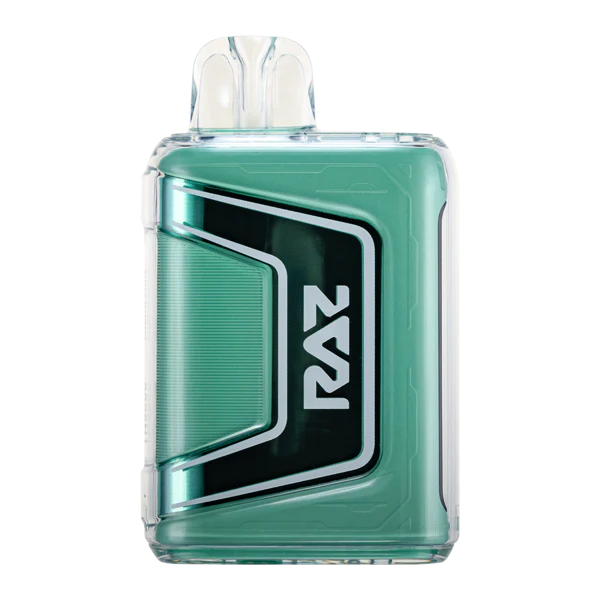
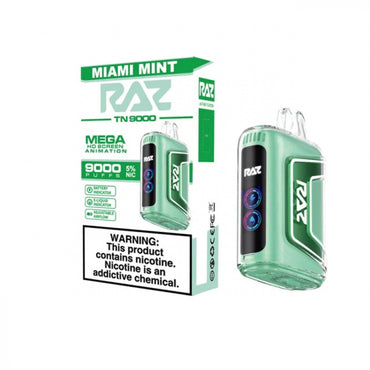
Disposable Vapes: Lost Mary MT35000 Turbo, Geek Bar Pulse X 25000, Raz TN9000
-
Pod Systems: Caliburn G3, SMOK Nord 5
-
Box Mods: Vaporesso Gen Max, GeekVape L200
-
E-Liquids: Naked 100, Juice Head, Coastal Clouds
Browse our complete collection to find products matching your vaping style and experience level.
Disclaimer
This article is intended for informational and educational purposes only. Vaping products contain nicotine, which is a highly addictive substance. E-cigarettes and vaping devices are intended exclusively for adult smokers (21+) seeking alternatives to traditional cigarettes or for adults who already use nicotine products. If you do not currently smoke or use nicotine products, do not start vaping.
While this guide explains how vaping devices work mechanically, it does not constitute medical advice, health recommendations, or endorsements of vaping as safe or harmless. Vaping is not risk-free. The long-term health effects of vaping are still being studied, and all nicotine-containing products carry addiction risks and potential health consequences.
Pregnant women, nursing mothers, individuals with heart conditions, respiratory issues, or those sensitive to nicotine should not use vaping products. Consult with healthcare professionals before using any nicotine-containing products if you have pre-existing medical conditions or concerns.
Keep all vaping devices, e-liquids, and related products away from children and pets. Nicotine poisoning can occur from ingestion, and batteries pose choking hazards. Always store products in child-resistant containers in secure locations.
Follow all local, state, and federal regulations regarding the purchase, possession, and use of vaping products. Age verification is required for all purchases. Online Vape Shop complies with all applicable laws and regulations and ships only to addresses in jurisdictions where sales are permitted.
Use vaping devices responsibly and according to manufacturer instructions. Improper use, modifications, or use of incompatible components can result in device malfunction, injury, or fire hazards. Always purchase products from reputable retailers to ensure authenticity and quality.