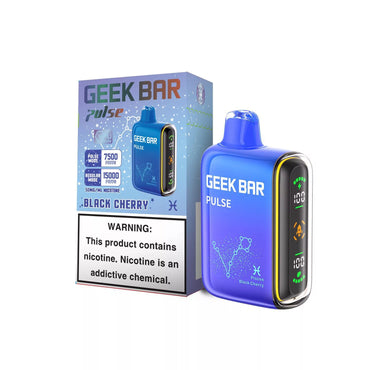
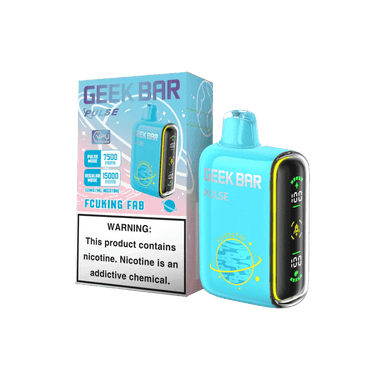
Safety Check: Identifying Vapes That Are Safe for Use
Vaping is often marketed as a safer alternative to smoking, but it is not without risks. To identify safer vaping products, focus on transparency, reputable brands, and chemical composition. Here's a comprehensive guide:
1. Look for Reputable Brands
Opt for brands with a history of safety, compliance, and customer trust. Examples include:
- Juul Labs: Known for adhering to regulatory standards, though still controversial due to nicotine levels.
- Vuse (by RJ Reynolds): Often subject to rigorous testing.
- PAX Labs: Offers a focus on cannabis vapes with high-quality materials.
Research the brand’s manufacturing process, ingredient transparency, and any third-party testing certifications.
2. Inspect Ingredients
Avoid vapes with harmful chemicals like:
- Diacetyl: Linked to respiratory issues.
- Acetyl Propionyl: Similar risks to diacetyl.
- Vitamin E Acetate: Associated with EVALI (e-cigarette or vaping-associated lung injury).
- Unknown Additives: Avoid products with vague ingredient lists.
Choose products labeled diacetyl-free, propionyl-free, and tested for heavy metals.
3. Use Unflavored or Nicotine-Free Options
- Unflavored E-Liquids: These typically contain fewer chemicals and reduce exposure to flavoring agents.
- Nicotine-Free Products: Lower addictive potential and associated risks.
4. Opt for Lab-Tested Products
Brands that publish third-party lab testing results are more likely to prioritize safety. Look for certifications or testing for:
- Toxins: Like heavy metals (lead, cadmium).
- Purity: Ensuring minimal contamination.
5. Stick to Regulated Markets
In regions like:
- United States: FDA oversight ensures some level of product regulation.
- European Union: Stricter laws, including nicotine concentration limits (20 mg/mL).
- Canada: Requires proper labeling and safety disclosures.
6. Hardware Considerations
- Choose devices with stainless steel or medical-grade materials.
- Avoid low-quality or counterfeit products that may release heavy metals.
Red Flags to Watch For:
- Unbranded or “black market” products.
- Excessive claims: Such as “completely safe” or “risk-free.”
- Poor packaging: Missing ingredient lists, lab results, or certifications.
Takeaway
No vape is 100% safe, but following these guidelines can reduce risk. For the lowest health risk, consider quitting vaping altogether and explore cessation programs or alternatives like nicotine gum or patches.