Vape Ban USA 2026: Complete State-by-State Breakdown for Vapers
Is vaping illegal in 2026? No—but the landscape has transformed dramatically. While there's no total federal ban, 12+ states have enacted severe restrictions ranging from complete flavor bans to product directory systems that eliminate 90% of disposables from shelves. The FY 2026 Agriculture Appropriations Act now empowers customs officials to seize and destroy unauthorized vape shipments at the border, creating unprecedented supply chain disruption. California, Massachusetts, and Texas lead the crackdown, each using different regulatory models. Understanding which products remain legal in your state requires navigating a complex patchwork of flavor bans, directory requirements, and origin-based restrictions.
Are Vapes Banned in the USA in 2026?
No, vapes are not completely banned in the USA in 2026. However, the vaping industry faces its most aggressive regulatory environment to date, with three distinct enforcement models creating a patchwork of state-level restrictions that feel like bans to many consumers. While the technology remains legal for adults 21 and older, product availability is shrinking dramatically.
The critical distinction lies between outright prohibition and targeted restrictions. Federal law does not ban vaping, but the variety of legally available products has narrowed significantly. Only FDA-authorized products (primarily tobacco and menthol flavors) remain federally compliant, while state directories systematically remove thousands of unauthorized options from retail shelves.
This creates a paradox for adult vapers: the act of vaping isn't illegal, yet finding legal products in many states has become increasingly difficult. As of 2026, at least 12 states have implemented heavy restrictions through flavor bans, directory systems, or origin-based prohibitions, fundamentally reshaping what "legal vaping" means depending on your zip code.
What Is the Difference Between a Total Vape Ban and Product Restrictions?
A total ban prohibits all vaping products and technology, while product restrictions eliminate specific categories from legal sale. The distinction matters because no U.S. state has implemented a complete vape ban in 2026—instead, they target particular product types like flavored e-liquids, disposable devices, or Chinese-manufactured imports.
Understanding this difference helps clarify why consumers often feel vaping is "banned" even when it technically remains legal. When California removes all disposables via Assembly Bill 762, or Massachusetts prohibits every flavor including menthol, adult vapers experience near-total market elimination despite the absence of comprehensive prohibition.
Product restrictions function as de facto bans for specific consumer segments. If you exclusively use disposable vapes in California after January 1, 2026, you cannot legally purchase your preferred product—even though refillable devices remain available. The restriction targets the product format, not the technology itself.
This regulatory approach allows states to claim they're not "banning vaping" while achieving similar practical outcomes. Florida's Nicotine Dispensing Device (NDD) directory, for example, doesn't prohibit vaping—it simply requires products to be listed in a state registry. Since 90% of disposables lack FDA authorization required for directory inclusion, they vanish from shelves through bureaucratic exclusion rather than explicit prohibition.
Is There a Federal Vape Ban in 2026?
No federal law bans vaping in 2026, but the FY 2026 Agriculture Appropriations Act grants unprecedented enforcement powers. The legislation authorizes customs officials to "seize and destroy" unauthorized vape shipments immediately upon arrival at U.S. borders, marking a critical escalation from previous policy.
Previously, customs could only refuse entry to non-compliant products, allowing manufacturers to redirect shipments to other markets. The new "seize and destroy" provision eliminates this workaround by physically destroying inventory before it enters domestic commerce, targeting the supply chain at its source rather than pursuing retail enforcement.
This strategy specifically focuses on unauthorized disposable vapes from China, which represent the vast majority of products flooding the U.S. market. By creating a supply shock through border interdiction, federal authorities aim to force manufacturer compliance more effectively than retailer-level penalties.
The scale of enforcement demonstrates federal commitment. In January 2025, FDA and Customs and Border Protection seized 4.7 million unauthorized e-cigarettes in Chicago with an estimated retail value of $86.5 million—the largest operation of its kind. A separate Chicago action seized nearly 2 million additional units valued at $33.8 million, illustrating the volume of unauthorized imports entering the country.

For Illustrative Purposes Only. Not to Scale.
However, the federal approach stops short of prohibition. Adults 21 and older can legally vape FDA-authorized products, and the government continues approving manufacturers who complete the Premarket Tobacco Application (PMTA) process. The restriction targets unauthorized products, not the category itself, maintaining legal pathways for compliant manufacturers while eliminating unauthorized competitors through supply chain disruption.
What Are the Three Types of Vape Bans in USA States?
States regulate vaping through three distinct models: flavor bans, directory systems, and origin-based restrictions. Each approach achieves product elimination through different mechanisms, creating confusion for consumers trying to determine what remains legal in their jurisdiction.
Understanding these regulatory frameworks is essential because the type of restriction determines which products disappear from shelves. A flavor ban affects all products regardless of manufacturer compliance, while a directory system removes only unauthorized brands. Origin-based bans target supply chains based on manufacturing location.
The three models sometimes overlap—California combines flavor restrictions with a state directory and a separate disposable ban—making it one of the most restrictive vaping environments in the nation. Conversely, Texas uses only an origin-based approach, preserving consumer choice for U.S.-manufactured products while eliminating Chinese imports.

Which States Have Complete Flavor Bans?
As of 2026, eight states have enacted comprehensive flavor bans: California, Massachusetts, New Jersey, New York, Rhode Island, Colorado, Oregon, and Washington. These states prohibit the sale of any tobacco product with a "distinguishable taste or aroma" other than tobacco, effectively eliminating fruit, dessert, candy, and mint-flavored vapes from legal commerce.
California's SB 793, upheld by voters through Proposition 31, represents the strictest implementation. The law bans all characterizing flavors including menthol and requires even tobacco-flavored products to appear on a state-approved registry. Enforcement began statewide after the November 2022 referendum confirmed the ban.
Massachusetts pioneered comprehensive flavor prohibition with its 2019 emergency regulation, later codified into permanent law. The state bans all flavored tobacco products including menthol cigarettes, making it the most restrictive jurisdiction for tobacco harm reduction products. Only unflavored tobacco products remain legal.
New York's flavor ban includes one notable exception: tobacco and menthol flavors remain legal, creating a limited market for compliant products. New Jersey eliminated this exception, banning menthol alongside all other flavors, leaving only pure tobacco taste as the sole legal option.
The practical impact is severe. Retailers in flavor ban states saw 85-95% of their vape inventory become illegal overnight, with only tobacco-flavored products from compliant manufacturers remaining available. Adult vapers who prefer fruit or dessert flavors face a binary choice: switch to tobacco flavor, transition to refillable devices with separately purchased e-liquids (where legal), or purchase products illegally.
What Are State Directory Systems and How Do They Work?
Directory systems create state-managed "whitelists" of approved products, making all unlisted vapes illegal to sell. To gain directory inclusion, manufacturers must demonstrate FDA compliance through PMTA submission or authorization, a requirement that 90% of disposable brands cannot meet.
Wisconsin, North Carolina, Florida, Virginia, and Mississippi implemented or expanded directory systems in 2025-2026, with several additional states considering similar legislation. The approach achieves market transformation without explicitly banning flavors or categories—products simply cannot be sold unless listed.
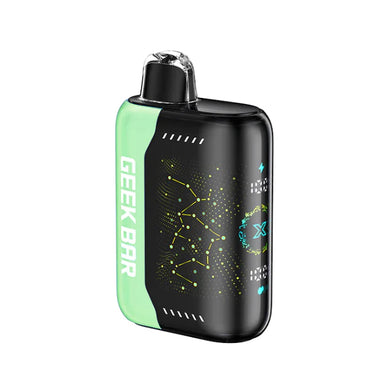
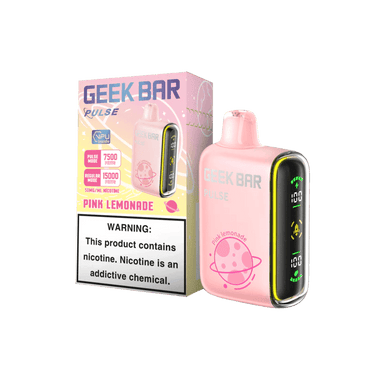
North Carolina's directory removed approximately 7,000 products from shelves when it took effect July 1, 2025. Popular brands like Geek Bar, Lost Mary, Elf Bar, and Puff Bar disappeared immediately because they lack FDA authorization. Only 39 e-cigarettes hold FDA PMTA approval as of 2026, with NJOY Daily being the sole authorized disposable (available only in tobacco and menthol flavors).
Florida's Nicotine Dispensing Device (NDD) registry uses an innovative reverse approach: products remain legal by default until specifically banned. The state maintains a list of prohibited items rather than approved products, making it less restrictive than traditional whitelist states. Additionally, Florida explicitly exempts refillable devices, focusing enforcement exclusively on disposables.
The directory model creates a compliance bottleneck. PMTA applications cost manufacturers $100,000-$500,000 and require extensive scientific data demonstrating the product is "appropriate for the protection of public health." Small manufacturers and importers cannot afford this barrier, effectively consolidating the market around large, well-funded companies like NJOY (owned by Altria) and Vuse (owned by Reynolds American).
Does Any State Ban Vapes by Country of Origin?
Yes—Texas enacted the nation's first origin-based vape ban through SB 2024, effective September 1, 2025. The law prohibits the sale of all disposable e-cigarettes manufactured in China or any other "U.S. adversary country," eliminating the vast majority of disposables from Texas retail while preserving consumer choice for domestic products.
This approach fundamentally differs from flavor bans and directory systems. Texas does not restrict flavors or require directory listing—if a product is manufactured in the United States, it remains legal regardless of flavor profile or FDA authorization status. Conversely, even FDA-compliant Chinese products are banned based solely on manufacturing origin.
The practical impact is substantial because approximately 95% of disposables sold in the U.S. are manufactured in China. When SB 2024 took effect, retailers saw their disposable inventory effectively eliminated, though refillable devices and U.S.-made e-liquids remained available.
Texas defined "adversary countries" using existing federal designations, primarily targeting China but potentially expanding to other nations on U.S. trade restriction lists. This positions the ban as both a public health measure and a national security policy, limiting dependence on foreign-manufactured nicotine products.
The model preserves harm reduction pathways while addressing youth access concerns. Adult vapers can still access refillable devices and domestically produced e-liquids, maintaining choice for committed users while eliminating the cheap, disposable products most associated with underage use.
Which States Are Banning Vapes in 2026?
At least 12 states have enacted heavy vape restrictions as of 2026, creating a fragmented regulatory landscape where product legality depends entirely on geography. The restrictions range from comprehensive flavor bans to narrow directory requirements, with some states combining multiple approaches.
States are not uniformly "banning vapes"—they're implementing targeted restrictions that eliminate specific product categories. Understanding which model your state uses determines what remains legally available and what penalties retailers face for non-compliance.
The trend is accelerating. Additional states including Maryland, Connecticut, and Hawaii have pending legislation that would expand flavor bans or directory systems in 2026-2027, suggesting the current patchwork will become denser as more jurisdictions adopt restrictive frameworks.

What States Have the Strictest Vape Laws?
California, Massachusetts, and San Francisco (city-level) operate the most restrictive vaping environments in the nation. Each jurisdiction combines multiple regulatory approaches to achieve near-total market elimination for most product categories.
California layers three separate restrictions: SB 793 (flavor ban including menthol), AB 762 (disposable ban effective January 1, 2026), and a state product directory requiring manufacturer registration. This trifecta eliminates flavored products, disposable formats, and unlisted brands simultaneously, leaving only registered, tobacco-flavored, refillable devices as legal options.
Massachusetts maintains the longest-standing comprehensive ban, prohibiting all flavored tobacco products including menthol since 2019. The state combines this with strict retail enforcement, including online sales restrictions and local licensing requirements that create additional compliance barriers for retailers.
San Francisco implemented a complete ban on all vaping product sales through local ordinance, representing the only total prohibition in the United States. No vaping products—regardless of flavor, format, or FDA status—can be legally sold within city limits, making it the most extreme restriction in the nation.
New York and New Jersey follow close behind with comprehensive flavor bans. New York prohibits online sales statewide and bans all flavors except tobacco and menthol, while New Jersey eliminates even the menthol exception, allowing only tobacco-flavored products.
What States Use Product Directory Systems?
Florida, Wisconsin, North Carolina, Virginia, and Mississippi rely on product directory systems as their primary regulatory tool, with each state maintaining a list of approved vaping products that retailers can legally sell.
Florida's Nicotine Dispensing Device (NDD) directory operates differently than other states. Rather than requiring pre-approval, products remain legal until specifically added to the banned list, creating a "guilty until proven innocent" reverse model. The state updates its NDD directory periodically, adding products that fail to meet compliance standards.
Critically, Florida exempts refillable devices entirely, focusing the directory exclusively on disposables and closed pod systems. This preserves the largest segment of the adult vaping market while targeting the disposable category most associated with youth use.
Wisconsin and North Carolina use traditional whitelist directories where only pre-approved products can be sold. Manufacturers must submit documentation demonstrating FDA compliance, typically through PMTA filing evidence. North Carolina's directory launch removed 7,000 products from retail shelves overnight as brands lacking authorization became automatically illegal.
Virginia expanded its directory requirement in 2026, joining the whitelist states and requiring retailers to remove unlisted products by July 1, 2026. Mississippi implemented a similar system effective December 1, 2025, creating a rapid expansion of the directory model across the Southeast.
The directory approach creates regional market consolidation. Retailers in directory states carry nearly identical inventory—limited to the few dozen FDA-authorized products—while states without directories maintain broader selection including unauthorized imports.
Which States Ban Chinese-Made Disposables?
Texas stands alone in implementing a country-of-origin ban through SB 2024, which prohibits all disposable e-cigarettes manufactured in China or other U.S. adversary countries. The law took effect September 1, 2025, making Texas the first state to target supply chains based on manufacturing location rather than product characteristics.
SB 2024 preserves consumer choice for U.S.-manufactured products regardless of flavor, nicotine content, or FDA authorization status. If a disposable is made in America, it remains legal to sell in Texas. Conversely, even FDA-compliant Chinese products are banned solely due to their country of origin.
This approach targets the root of the unauthorized vape market. Approximately 95% of disposables sold in the U.S. are manufactured in China, often by factories that produce dozens of brand names for importers who lack FDA authorization. By eliminating Chinese products, Texas effectively removed the entire disposable category from most retail locations.
The law explicitly exempts refillable vaping devices, recognizing that adult vapers using open-system products represent a different user demographic than disposable consumers. E-liquids manufactured domestically remain fully legal in all flavors, preserving harm reduction pathways for adult smokers while disrupting youth-oriented disposable availability.
No other state has replicated Texas's origin-based approach as of 2026, though the model has attracted attention from legislators seeking alternatives to flavor bans. The strategy allows states to claim they're addressing youth vaping and foreign supply chain concerns without restricting adult access to refillable systems.
What Vape Products Are Banned vs. Legal in 2026?
Product legality in 2026 depends on three factors: format (disposable vs. refillable), flavor profile, and FDA authorization status. Understanding which categories survive in your state requires matching these product characteristics against your jurisdiction's specific restrictions.
Nationally, only 39 e-cigarettes hold FDA PMTA authorization, meaning the overwhelming majority of products currently sold lack federal approval. However, enforcement varies dramatically by state—some aggressively remove unauthorized products through directory systems, while others maintain minimal enforcement despite federal requirements.
Refillable devices remain the safest choice for adult vapers concerned about future restrictions. No state bans refillable hardware outright, though flavor restrictions may limit available e-liquid options in certain jurisdictions.
Are Disposable Vapes Banned in the USA?
Disposable vapes face the most aggressive restrictions, with multiple states implementing categorical bans on single-use devices. While no federal prohibition exists, California, New Jersey, and several other states have eliminated disposables through legislation targeting the format itself.
California's Assembly Bill 762 bans all battery-embedded disposable vapes effective January 1, 2026, citing environmental concerns over lithium battery waste. The law prohibits the sale of any vaping device where the battery cannot be removed and replaced, effectively eliminating all disposables regardless of flavor or manufacturer.
New Jersey implemented a two-phase approach: the state banned importation and supply of disposables on August 1, 2025, while allowing retailers to sell existing inventory until February 1, 2026. This provided a compliance transition period before full enforcement, giving consumers time to switch to refillable alternatives.
Beyond explicit disposable bans, directory states achieve similar outcomes through approval requirements. Florida's NDD directory, Wisconsin's whitelist, and North Carolina's registry all exclude the vast majority of disposables because manufacturers lack FDA authorization. While not technically "disposable bans," these systems remove 90%+ of disposable products from legal commerce.
Texas's origin ban eliminates Chinese-manufactured disposables, which represent virtually the entire category. Only U.S.-made disposables remain legal in Texas—a tiny market segment that few manufacturers occupy.
What Vape Products Have FDA Authorization?
Only 39 e-cigarette products hold FDA PMTA authorization as of 2026, representing a tiny fraction of the thousands of products that entered the market over the past decade. The FDA's Premarket Tobacco Application (PMTA) process requires manufacturers to demonstrate their products are "appropriate for the protection of public health," a standard that demands extensive scientific evidence and costs hundreds of thousands of dollars per product.
NJOY Daily is the only authorized disposable vape, available exclusively in tobacco and menthol flavors. This single product represents the entire federally compliant disposable market, highlighting how PMTA requirements have consolidated authorized products around a handful of major manufacturers.
Popular brands including Geek Bar, Lost Mary, Elf Bar, Puff Bar, and Foger lack FDA authorization, making them technically illegal to sell under federal law despite their widespread availability. These products remain on shelves in states without aggressive enforcement, but directory states systematically remove them through whitelist requirements.
The authorization gap creates legal ambiguity. Federal law prohibits the sale of unauthorized tobacco products, yet enforcement relies heavily on state cooperation. The Supreme Court has ruled that the federal government cannot compel states to enforce federal tobacco laws, creating a patchwork where some states aggressively remove unauthorized products while others maintain minimal oversight.
Authorized products include: Vuse Solo (Reynolds American), several NJOY products (Altria), and specific configurations of Logic e-cigarettes. The FDA continues reviewing PMTA applications, but the approval rate remains extremely low—less than 1% of submitted products have received marketing authorization.

Are Refillable Vapes Legal Everywhere in 2026?
Yes, refillable vaping devices remain legal in all 50 states, making them the most reliable choice for adult vapers navigating the regulatory patchwork. No jurisdiction has banned refillable hardware outright, though flavor restrictions may limit e-liquid availability in certain states.
Refillable devices are explicitly exempted from Florida's NDD directory, Texas's origin ban, and California's disposable prohibition under AB 762. This consistent treatment reflects regulatory focus on disposables as the primary youth-oriented product category, while refillables require more commitment and maintenance that appeals primarily to adult users.
However, flavor bans still affect refillable users in states like Massachusetts, California, and New Jersey. Vapers in these jurisdictions can legally own and use refillable devices but can only purchase tobacco-flavored e-liquids within state borders. Nicotine-free e-liquids sometimes avoid flavor ban classification, though state definitions vary.
Hardware legality is universal, e-liquid availability varies by state. An adult vaper in Massachusetts can legally purchase any refillable mod, tank, or pod system, but can only fill it with tobacco-flavored nicotine e-liquid purchased from in-state retailers. Cross-border e-liquid purchases remain legal under federal law, though some states restrict online shipping.
Refillable devices represent the safest long-term investment for vapers concerned about future restrictions. Even if additional states implement flavor bans or directory systems, the hardware itself remains protected, and users can source e-liquids from jurisdictions with fewer restrictions or create their own through DIY mixing where legal.
Legal Reference Added:
-
FY 2026 Agriculture Appropriations Act (seize and destroy provision)
-
California SB 793 / Proposition 31 (flavor ban)
-
California Assembly Bill 762 (disposable ban)
-
Texas SB 2024 (origin-based ban)
-
Massachusetts 2019 Act Regulating Flavored Tobacco and E-Cigarettes
-
Supreme Court ruling (federal/state enforcement)