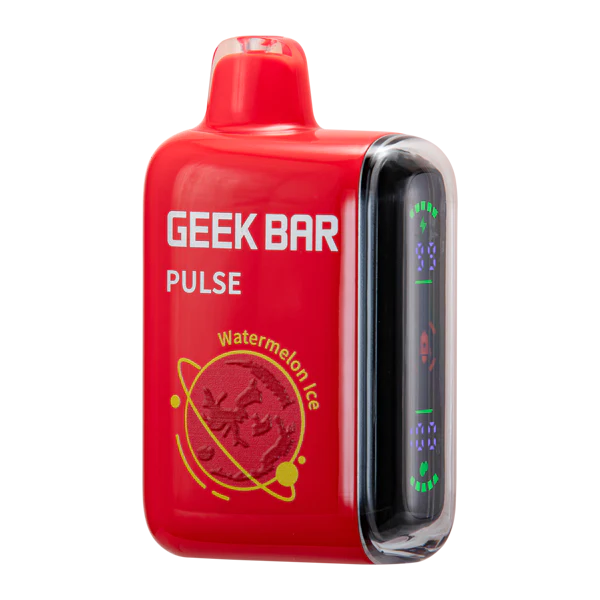
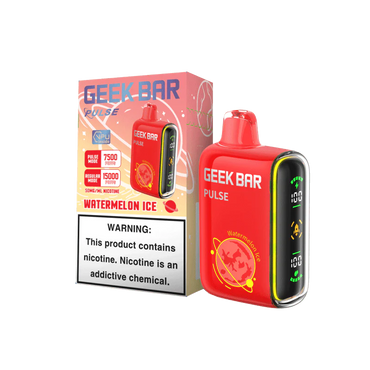
Unpacking Health Risks: Why Vapes Are Considered Bad
Vaping, once marketed as a safer alternative to smoking, has faced growing scrutiny due to emerging health concerns. While it avoids some of the harmful byproducts of traditional cigarettes, vaping is far from risk-free. Here's an in-depth look at why vapes are considered harmful:
Key Health Risks Associated with Vaping
1. Respiratory Issues
- Lung Injury (EVALI): E-cigarette or Vaping Use-Associated Lung Injury (EVALI) has been linked to certain vaping products, especially those containing THC or vitamin E acetate. Symptoms include severe breathing difficulties, chest pain, and even death.
- Chronic Respiratory Problems: Vaping can irritate the lungs, leading to conditions like chronic bronchitis or asthma exacerbation.
2. Nicotine Addiction
- High Nicotine Content: Many vaping products, such as JUUL, contain high levels of nicotine. A single pod may deliver as much nicotine as a pack of cigarettes.
- Impact on Adolescents: Nicotine affects brain development in young users, leading to cognitive impairments, mood disorders, and a heightened risk of addiction.
3. Cardiovascular Concerns
- Elevated Heart Rate and Blood Pressure: Nicotine is a stimulant that can increase heart rate and blood pressure, potentially leading to heart disease over time.
- Vascular Damage: Studies suggest vaping may harm blood vessels and reduce their ability to function properly, raising the risk of stroke or heart attack.
4. Toxic Chemicals
- Flavoring Agents: Compounds like diacetyl, found in some flavored e-liquids, have been linked to "popcorn lung" (bronchiolitis obliterans), a serious and irreversible lung condition.
- Volatile Organic Compounds (VOCs): Some vapes release harmful VOCs, which can contribute to respiratory and systemic toxicity.
- Heavy Metals: Devices with metal components may leach lead, nickel, or tin into the aerosol, posing additional risks.
5. Impact on Youth and Public Health
- Gateway to Smoking: Evidence suggests vaping can act as a gateway for non-smokers, especially teens, to initiate traditional cigarette use.
- Social Normalization: The trendy image of vaping risks undermining decades of anti-smoking efforts by making nicotine use more socially acceptable.
Long-Term Risks and Uncertainties
- Limited Long-Term Data: Vaping is relatively new, so its long-term effects on health remain uncertain. Early indicators suggest risks akin to those of traditional smoking, albeit with different mechanisms of harm.
- Potential for Cancer: Some chemicals in e-cigarettes, such as formaldehyde, are carcinogenic, although more research is needed to establish direct links.
Why Are Vapes Considered "Bad"?
- Deceptive Safety Claims: Initial claims that vapes are "harmless" or significantly safer than smoking have proven misleading.
- Youth Appeal: Flavors like candy and fruit attract young users, creating a new generation of nicotine addicts.
- Environmental Concerns: Disposable vapes contribute to plastic and electronic waste, adding to environmental degradation.
What Can Be Done?
-
Policy and Regulation
- Ban or restrict flavored e-liquids that appeal to minors.
- Enforce stricter labeling requirements to highlight health risks.
- Regulate advertising to prevent targeting vulnerable populations.
-
Public Awareness Campaigns
- Educate about the dangers of nicotine addiction and vaping-related illnesses.
- Promote cessation resources for those looking to quit vaping.
-
Further Research
- Conduct long-term studies to understand the full scope of vaping’s impact on health.
Would you like details on vaping cessation strategies, regulatory measures, or additional data on specific health impacts?