Complete List of FDA Approved Vapes: 2026 Authorization Guide for Buyers & Retailers
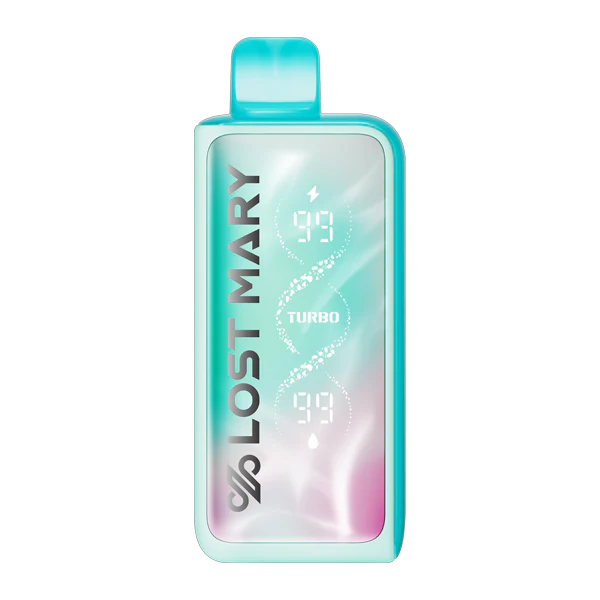
With over 54% of vapes sold in the U.S. now illegal, knowing which products have FDA authorization is critical for retailers and consumers. As of March 2026, only 39 vape products from brands like Vuse, NJOY, Logic, and JUUL have received FDA marketing authorization. This means the overwhelming majority of popular vapes—including Elf Bar, Lost Mary, and Puff Bar—are unauthorized and subject to enforcement. This guide provides the complete list of FDA-approved vapes, explains what authorization really means, and shows you how to verify product status to avoid fines up to $21,000 per violation.
What Does FDA Approved Mean for Vapes?
FDA authorization means a vape product can be legally marketed in the United States. The Food and Drug Administration doesn't "approve" vapes as safe—instead, it authorizes specific products for sale after determining they meet public health standards. This is a crucial distinction many consumers and retailers misunderstand.
When the FDA authorizes a vape product, it means the agency reviewed scientific evidence and concluded that allowing the product to be sold is "appropriate for the protection of public health." This considers whether the product helps adult smokers quit cigarettes while minimizing youth uptake.

FDA Authorization vs. FDA Approval – Understanding the Difference
The terms "FDA approved" and "FDA authorized" are often used interchangeably, but they mean different things. FDA approval typically applies to drugs and medical devices that undergo rigorous clinical trials proving safety and efficacy. FDA authorization for vapes means the product received a Marketing Granted Order through the Premarket Tobacco Product Application (PMTA) process.
Authorization does not mean the FDA endorses vaping as safe. All tobacco products, including FDA-authorized vapes, are harmful and potentially addictive. The authorization simply means the specific product met regulatory standards to remain on the market legally.
What Is the PMTA Process and Why Does It Matter?
The Premarket Tobacco Product Application (PMTA) is the regulatory pathway vape manufacturers must use to get FDA authorization. Companies must submit extensive scientific data proving their product provides a net benefit to public health.
The PMTA process typically takes 12 to 24 months and can cost manufacturers hundreds of thousands of dollars. The FDA requires evidence showing the product is less harmful than combustible cigarettes, doesn't attract non-smokers or youth, and includes robust marketing plans to prevent underage access.
The rejection rate is extremely high. Since 2020, the FDA has received applications for more than 26 million products and has denied the vast majority. Only products demonstrating clear public health benefits—primarily tobacco and menthol-flavored closed-system devices—have received authorization.

Complete List of FDA Authorized Vape Brands in 2026
As of March 2026, only 39 vape products have FDA authorization. When you remove duplicate listings and refills, this narrows to approximately 6-8 unique devices. All authorized products are closed-system pod or cartridge devices in tobacco or menthol flavors.
Vuse (R.J. Reynolds Vapor Company) – First FDA Authorized Vapes
Vuse Solo was the first e-cigarette to receive FDA marketing authorization in October 2021. This closed-system device uses prefilled tobacco-flavored cartridges.
Authorized Vuse Products:
-
Vuse Solo Power Unit (device)
-
Vuse Solo tobacco-flavored cartridges
-
Vuse Alto (device) - authorized July 2024
-
Vuse Alto Golden Tobacco pods (1.8%, 2.4%, 5.0% nicotine)
-
Vuse Alto Rich Tobacco pods (1.8%, 2.4%, 5.0% nicotine)
Vuse products are manufactured by R.J. Reynolds Vapor Company, a subsidiary of British American Tobacco.
NJOY – Menthol and Tobacco Authorized Products
NJOY became the first brand to receive FDA authorization for menthol-flavored vape products in June 2024. This marked a significant shift, as previous authorizations were limited to tobacco flavors only.
Authorized NJOY Products:
-
NJOY ACE menthol pods (2.4% nicotine)
-
NJOY ACE menthol pods (5% nicotine)
-
NJOY DAILY Menthol (4.5% nicotine)
-
NJOY DAILY EXTRA Menthol (6% nicotine)
NJOY also has tobacco-flavored products authorized, though specific model details are included in FDA's complete database.

Logic – FDA Authorized Closed-System Devices
Logic prefilled devices received FDA authorization in 2022. Logic Pro is known for its simple, user-friendly design with a closed tank system that minimizes leaks.
Authorized Logic Products:
-
Logic Pro device
-
Logic prefilled tobacco-flavored cartridges
-
Logic Vapeleaf (heated tobacco product)
Logic is manufactured by Japan Tobacco International and focuses on tobacco-flavored closed-system products.
JUUL – Recent Authorization After Years of Review
After years of regulatory uncertainty and an initial denial, JUUL finally received FDA marketing authorization in July 2025. This was a major development given JUUL's prominence in the vaping market.
Authorized JUUL Products:
-
JUUL device
-
JUUL Virginia Tobacco pods (3% nicotine)
-
JUUL Virginia Tobacco pods (5% nicotine)
-
JUUL Menthol pods (3% nicotine)
-
JUUL Menthol pods (5% nicotine)
JUUL's authorization applies only to these specific tobacco and menthol flavors. All fruit and dessert flavors remain unauthorized.
Glas – First Flavored Vapes with FDA Authorization
In March 2026, the FDA authorized the Glas G2 system, marking the first time non-tobacco, non-menthol flavored products received authorization. This represents a potential shift in FDA policy.
Authorized Glas Products:
-
Glas G2 device
-
Glas G2 tobacco-flavored pods
-
Glas G2 limited flavored options
Glas is a small U.S.-based manufacturer whose authorization represents a rare success story for independent vape companies navigating the PMTA process.

Why Are Most Popular Vapes NOT FDA Approved?
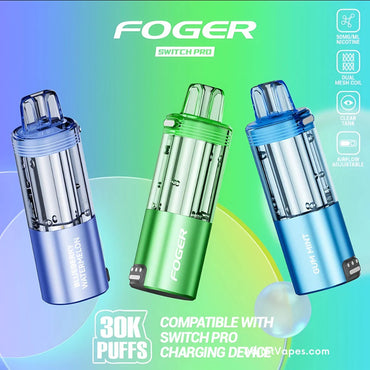
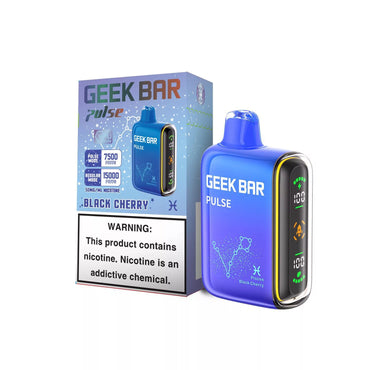
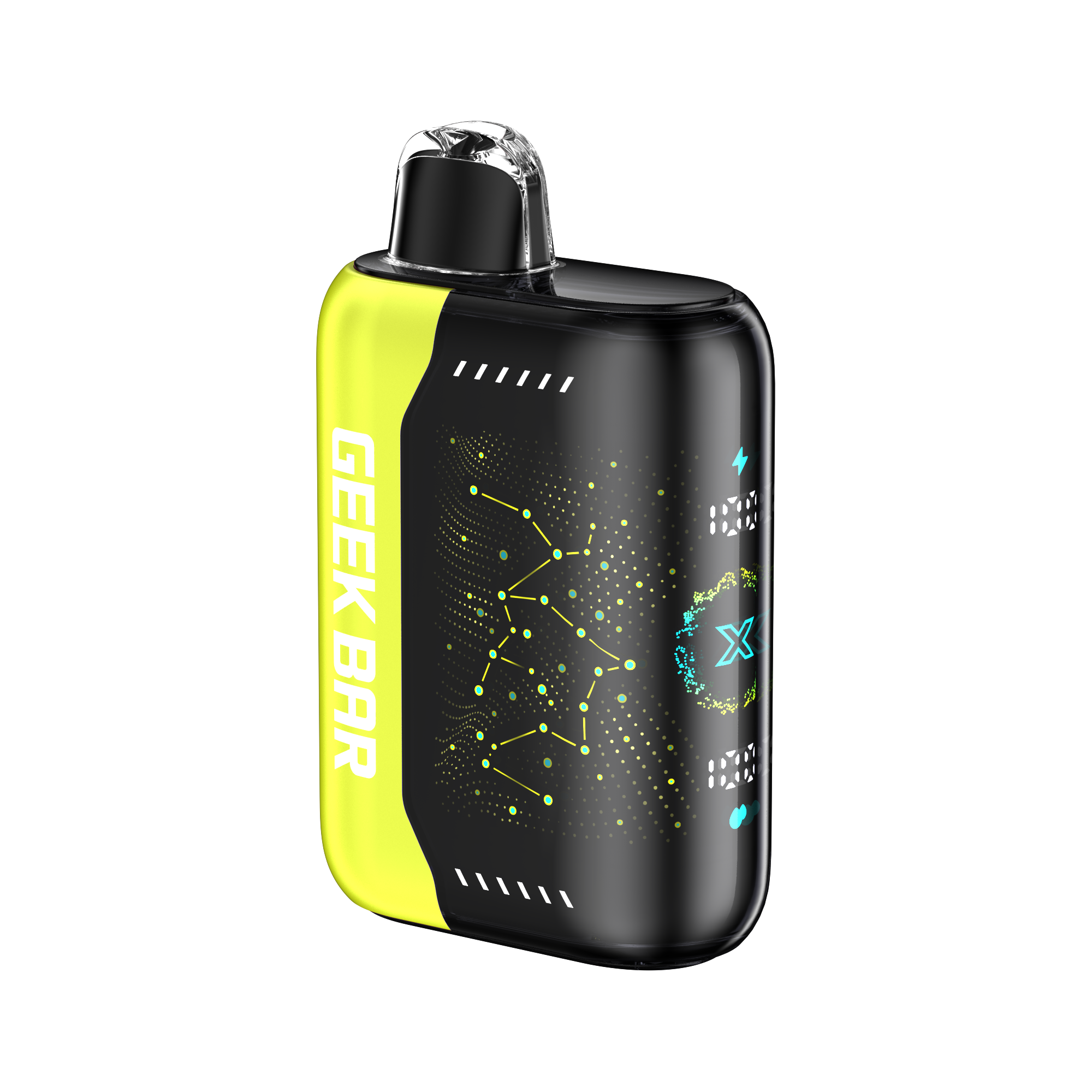
No fruit, dessert, or candy-flavored disposable vapes have FDA authorization. This means the most popular brands vapers actually use are all illegal to sell in the United States.
Which Popular Vape Brands Are Unauthorized?
The following widely-sold brands do not have FDA authorization and are subject to enforcement actions:
Unauthorized Disposable Vape Brands:
-
Elf Bar / EB Design (most popular among youth)
-
Puff Bar
-
Hyde
-
Breeze
-
Fume
-
Air Bar
According to FDA data from September 2025, approximately 54% of vaping products currently sold in the U.S. are unauthorized and illegal.
Why Did the FDA Deny 26+ Million Vape Product Applications?
The FDA has denied over 26 million flavored vape product applications since beginning PMTA reviews. The primary reasons for denial include:
Insufficient Evidence: Companies failed to provide adequate scientific data proving their products offer a net public health benefit. The FDA requires evidence that adult smokers will use the product to quit cigarettes and that non-smokers, especially youth, won't start using it.
Youth Appeal Concerns: Flavored products, particularly fruit and candy flavors, are deemed to appeal to minors. According to the CDC, nearly 90% of youth vapers use flavored products.
Inadequate Marketing Plans: Many applications lacked robust plans to prevent youth access and marketing. The FDA requires detailed strategies for age verification, retail compliance, and advertising restrictions.
In April 2025, the U.S. Supreme Court unanimously upheld the FDA's authority to deny applications for flavored e-cigarettes, including flavors like "Killer Kustard Blueberry," "Rainbow Road," and "Pineapple Express."

How to Verify if a Vape Product Is FDA Authorized
Retailers and consumers can verify authorization status using official FDA resources. Never rely solely on manufacturer claims—many companies falsely advertise FDA approval.
Using the FDA's Searchable Tobacco Products Database
The FDA maintains a Searchable Tobacco Products Database where you can confirm authorization status in real-time.
Step-by-step verification process:
-
Visit the FDA's official website at www.fda.gov
-
Navigate to the "Tobacco Products" section
-
Access the "Marketing Orders" database
-
Search by manufacturer name (e.g., "R.J. Reynolds") or product name (e.g., "Vuse Solo")
-
Look for a "Marketing Granted Order" designation
-
Verify the specific product model and flavor match what you're purchasing
Only products with an active Marketing Granted Order are legally authorized for sale.
How to Identify Fake FDA Approval Claims
Many unauthorized vape manufacturers use misleading marketing to suggest FDA approval. Watch for these red flags:
Warning signs of false claims:
-
Statements like "FDA compliant" or "meets FDA standards" (these don't mean authorized)
-
Generic claims about "passing FDA requirements"
-
Lack of specific Marketing Order number
-
Fruit, candy, or dessert flavors claiming authorization (none exist as of March 2026, except limited Glas products)
Always cross-reference manufacturer claims against the official FDA database. If a product isn't listed, it's not authorized.
State-Level Vape Authorization Lists and Requirements
Some states maintain their own registries beyond federal FDA requirements. Wisconsin, for example, enacted laws in September 2025 requiring retailers to sell only FDA-authorized products or face fines of $1,000 per day per SKU.
Check your state's Department of Revenue or health department website for state-specific vape product registries and requirements.

Legal Consequences of Selling or Buying Unauthorized Vapes
The FDA and customs enforcement have significantly increased vape product enforcement in 2025-2026. Retailers face severe penalties, while consumers face health risks from unregulated products.
What Are the Penalties for Retailers Selling Unauthorized Vapes?
Retailers caught selling unauthorized vapes face substantial legal consequences:
Federal penalties:
-
Fines exceeding $21,000 per violation
-
Product seizures without compensation
-
FDA warning letters
-
Injunctions prohibiting future sales
-
Placement on FDA enforcement lists
State-level penalties vary but can include daily fines. Wisconsin's law imposes $1,000 per day per SKU for selling unauthorized products.
In October 2025, the FDA mailed materials to 300,000 retailers nationwide, listing the 39 authorized vape products and warning that selling others is illegal.
Can Consumers Get in Trouble for Buying Unauthorized Vapes?
Consumers are not directly penalized for purchasing unauthorized vapes. The legal burden falls on manufacturers, distributors, and retailers—not end users.
However, health risks are significant. Unauthorized vapes may contain:
-
Inconsistent or inaccurate nicotine levels
-
Harmful contaminants
-
Unknown chemical additives
-
Poor quality control
Sticking to FDA-authorized products provides assurance of manufacturing standards and ingredient transparency.

Import Seizures and Customs Enforcement on Vape Products
U.S. Customs and Border Protection (CBP) has dramatically increased vape seizures. In September 2025, the government seized $86.5 million in illegal vapes—the largest single seizure ever recorded.
Import enforcement includes:
-
Detention of shipments lacking FDA authorization
-
Civil fines and criminal prosecution for willful violations
-
Placement on FDA import alert lists
-
Requirement to prove FDA authorization before CBP release
Importers must verify products are FDA-authorized before attempting to bring them into the United States. The FDA's position is clear: authorization is a federal requirement regardless of state or foreign country legality.
What Makes a Vape Product Eligible for FDA Authorization?
Understanding PMTA requirements helps explain why so few products receive authorization and why flavored disposables consistently fail.
Scientific Evidence Requirements for PMTA Approval
The FDA requires extensive scientific documentation proving public health benefits:
Required evidence includes:
-
Product chemistry: Complete ingredient lists, toxicology data, and harmful constituent analysis
-
Health impact studies: Evidence the product is less harmful than combustible cigarettes
-
Behavioral studies: Data showing adult smokers will switch completely rather than dual-use
-
Youth appeal assessment: Research demonstrating the product won't attract non-smokers or minors
-
Marketing plans: Detailed strategies for age verification, retail compliance, and advertising restrictions
The process typically costs hundreds of thousands of dollars and takes 12-24 months minimum for FDA review.
Why Only Tobacco and Menthol Flavors Get Authorized
The FDA has authorized only tobacco and menthol flavors (with the recent exception of limited Glas products) because flavored products raise significant youth appeal concerns.
According to CDC data, nearly 1.6 million children use e-cigarettes, and 90% of them consume illicit flavored brands. The FDA's position is that fruit and candy flavors overwhelmingly appeal to minors, making it nearly impossible to prove a net public health benefit.
The April 2025 Supreme Court ruling reinforced this stance, unanimously upholding the FDA's authority to deny flavored vape applications based on youth appeal.
SUPPLEMENTARY CONTENT
The Future of FDA Vape Regulations
President Trump stated during his campaign he wants to "save" flavored vapes, creating uncertainty about future FDA policy direction. Meanwhile, hundreds of PMTA applications remain under review, and court challenges continue. State-level restrictions are expanding—Wisconsin banned unauthorized vapes in September 2025, and California strengthened its flavor ban in January 2025. The FDA introduced an expedited 3-month review process for nicotine pouches in December 2025, which could potentially extend to vapes. Retailers should expect continued enforcement and regulatory evolution throughout 2026.
References
-
U.S. Food and Drug Administration. (2026). E-Cigarettes Authorized by the FDA. Retrieved from https://digitalmedia.hhs.gov/tobacco/hosted/E-Cigarettes-Authorized-FDA-JAN2025.pdf
-
U.S. Food and Drug Administration. (2026). Searchable Tobacco Products Database. Retrieved from https://www.fda.gov/tobacco-products/
-
Ecigator. (2026). List of FDA Authorized E-Cigarette Vapes (Updated March 2026). Retrieved from https://ecigator.com/news/fda-authorized-e-cigarette-list/
-
ABC News. (2025). Unanimous Supreme Court upholds FDA block of flavored vapes. Retrieved from https://abcnews.com/Politics/unanimous-supreme-court-upholds-fda-block-flavored-vapes/story?id=120417790
-
Harris Sliwoski LLP. (2025). FDA Declares 54% of Vapes Illegal: What Importers Must Know Now. Retrieved from https://harris-sliwoski.com/blog/fda-declares-54-of-vapes-illegal-what-importers-must-know-now/
-
Tobacco Insider. (2025). Regulation: The US. Retrieved from https://tobaccoinsider.com/regulation-the-us/
-
Centers for Disease Control and Prevention. (2025). E-Cigarette Use Among Youth. Retrieved from https://www.cdc.gov/
-
WDIO News. (2025). Wisconsin will ban non-FDA approved vape products on Labor Day. Retrieved from https://www.wdio.com/front-page/top-stories/wisconsin-will-ban-non-fda-approved-vape-products-on-labor-day/