Who and When Were Vapes Invented? Complete History from 1927 to Modern Devices
The modern vape was invented in 2003 by Chinese pharmacist Hon Lik, revolutionizing nicotine delivery forever. However, the concept dates back to 1927 with Joseph Robinson's patent. From primitive prototypes to today's advanced 50,000-puff disposables, vaping has undergone remarkable transformation. This article explores the complete timeline of vape invention, the visionary inventors behind the technology, and how devices evolved from bulky experiments to the sleek, powerful vapes available at Online Vape Shop today.
Who and When Were Vapes Invented?
Vapes were invented in 2003 when Hon Lik created the first commercially successful electronic cigarette in Beijing, China. This groundbreaking device introduced a battery-powered system that vaporized liquid nicotine, offering smokers an alternative to traditional combustible cigarettes. While Hon Lik's 2003 invention marks the birth of the modern vaping industry, the concept of electronic vaporization traces back decades earlier to visionary inventors who laid the conceptual groundwork.
The question "when were vapes invented" requires understanding two distinct timelines: the conceptual inventions that never achieved commercial success, and Hon Lik's practical breakthrough that launched the global vaping phenomenon we know today.
The 2003 Breakthrough by Hon Lik
Hon Lik, a 52-year-old Chinese pharmacist working for Golden Dragon Holdings, began developing his electronic cigarette in 2001 after experiencing a profound personal loss. His father, a heavy smoker, died from lung cancer—a tragedy that motivated Hon Lik to create a safer nicotine delivery system. As a heavy smoker himself, he understood the struggle of nicotine addiction and sought to eliminate the harmful combustion process that releases over 250 toxic substances during traditional smoking.
In 2003, Hon Lik successfully patented his invention in China. His device utilized a piezoelectric ultrasound-emitting element to vaporize pressurized liquid containing nicotine, creating a smoke-like vapor. Unlike anything before it, this invention was compact, practical, and ready for mass production. The company he worked for, Golden Dragon Holdings, quickly recognized the potential and changed its name to Ruyan (如烟, meaning "like smoke") to market this revolutionary product.
By 2004, the first electronic cigarettes hit the Chinese domestic market through Ruyan, achieving immediate success among smokers seeking alternatives. This marked the beginning of the modern vaping era.

Early Concepts Before the Modern Vape
While Hon Lik revolutionized vaping, he wasn't the first to envision electronic nicotine delivery. Joseph Robinson filed the earliest documented patent for an electronic vaporizer in 1927 (granted in 1930). Robinson's design described an electrically heated device for vaporizing "medicinal compounds," strikingly similar to modern e-cigarettes in concept. However, Robinson never commercialized his invention, and no evidence suggests a working prototype was ever manufactured.
The first functional prototype came from Herbert A. Gilbert in 1963. Gilbert patented a "smokeless non-tobacco cigarette" that used heated, moist, flavored air instead of combustion. His vision was ahead of its time, but Gilbert faced insurmountable obstacles—no manufacturer would mass-produce his device, and the technology of the era couldn't support affordable, compact batteries. His patent expired without generating any revenue, though Gilbert is credited as the creator of the first device closely resembling modern e-cigarettes.
In 1979, computer pioneer Phil Ray partnered with physician Norman Jacobson to create the first commercialized nicotine delivery device. Unlike true e-cigarettes, their product relied on evaporation rather than electronic heating. Despite reaching major retailers, the device failed commercially due to inherent design flaws. However, Ray and Jacobson made a lasting contribution: they introduced the verb "vape" into the English language, a term now used by millions worldwide.

How Did the First Vape Work?
Hon Lik's original vape design was radically different from the heating-coil systems used in modern devices. Understanding how the first vape worked reveals the ingenuity behind Hon Lik's breakthrough and explains why his invention succeeded where others failed.
The first commercial e-cigarette combined three essential components: a battery power source, a vaporization mechanism, and a liquid nicotine reservoir. This three-part system became the blueprint for virtually all subsequent vape designs.
Original Ultrasonic Technology (2001-2003)
Hon Lik's initial prototype used piezoelectric ultrasound technology to vaporize liquid. This approach utilized a small ultrasonic element that vibrated at extremely high frequencies—similar to technology used in medical nebulizers and humidifiers. When the ultrasonic element vibrated against the liquid nicotine solution, it broke the liquid into a fine mist of microscopic droplets that users could inhale.
This ultrasonic system offered several advantages: it operated at room temperature, eliminating concerns about overheating or burning; it produced a consistent, cool vapor; and it didn't require complex heating coils. However, the technology also had significant drawbacks. The ultrasonic elements were relatively large and fragile, making the device bulky. The piezoelectric components were expensive to manufacture and required frequent replacement. Most critically, the ultrasonic system struggled to vaporize liquid efficiently, resulting in inconsistent vapor production.
Hon Lik's ultrasonic device used a pressurized jet of liquid combined with the ultrasonic element to create what Hon described as a "smoke-like vapor." The device required users to press a button that activated both the ultrasonic element and a small pump that delivered liquid to the vaporization chamber.

Evolution to Heating Element Design
Recognizing the limitations of ultrasonic technology, Hon Lik refined his design between 2001 and 2003. He discovered that resistance heating—using an electrically heated coil to vaporize liquid—produced superior results. This heating element approach became the foundation of modern vaping technology.
The heating element system worked by running electrical current through a resistive wire coil wrapped around a wicking material (initially cotton or synthetic fiber). When the user activated the device, the battery sent current through the coil, heating it to 200-300°C. The wick, saturated with e-liquid, delivered liquid to the hot coil where it instantly vaporized into an inhalable aerosol.
This design offered transformative improvements: heating elements were smaller, cheaper, and more reliable than ultrasonic components; vapor production was consistent and controllable; the system was more energy-efficient, extending battery life; and manufacturing costs dropped dramatically, making commercial production viable.
Hon Lik patented this improved heating element design in China in 2003, and later secured patents in the United States (2012) and European Union. This heating element technology remains the standard in modern devices, from basic disposable vapes to advanced pod systems.
Today's devices like the Vozol Gear Power 20000 and Raz TN9000 use sophisticated mesh coil technology that evolved from Hon Lik's original heating element concept, providing faster heating, better flavor, and longer-lasting performance.
The Complete Timeline of Vape History
The journey from concept to modern vaping spans nearly a century, marked by brilliant inventors, failed attempts, and ultimately, a global revolution in nicotine delivery. This comprehensive timeline reveals how vaping evolved from a 1927 patent sketch to today's advanced devices available at Online Vape Shop.
Early Era (1927-2000): Patents and Failed Attempts
1927-1930: Joseph Robinson, an American inventor, filed the first patent for an "electric vaporizer" designed to vaporize medicinal compounds. While his concept described a battery-powered, handheld device remarkably similar to modern e-cigarettes, Robinson never built a working prototype or attempted commercialization. The patent was granted in 1930 but remained a forgotten footnote in history.
1963: Herbert A. Gilbert created the first functional prototype of a "smokeless non-tobacco cigarette." Gilbert's device heated flavored liquid to produce vapor without combustion—a revolutionary concept for the tobacco-dominated 1960s. He built working prototypes and demonstrated them to potential manufacturers, but faced rejection from every company he approached. Without financial backing, Gilbert's invention died before reaching consumers. His patent expired worthless, though he later received recognition as a pioneering visionary.
1979: Computer pioneer Phil Ray and physician Norman Jacobson launched the first commercialized nicotine delivery device. Unlike true electronic cigarettes, their product relied on nicotine evaporation rather than electronic vaporization. The device reached major retail stores but failed commercially due to poor nicotine delivery and user dissatisfaction. Despite the commercial failure, Ray and Jacobson's most enduring contribution was introducing the word "vape" into common usage.
1990s: Throughout this decade, tobacco companies and individual inventors filed numerous patents for nicotine inhalers and electronic delivery devices. Most relied on evaporation or physical propulsion rather than true vaporization. Several prototypes closely resembled modern e-cigarettes in design, but none achieved commercial success. The primary barriers were inadequate battery technology (batteries were too large and short-lived) and regulatory obstacles from the FDA, which classified these devices as drug delivery systems requiring extensive testing and approval.

Modern Era Part 1 (2001-2010): Hon Lik's Revolution
2001: Hon Lik, devastated by his father's death from lung cancer, began developing his electronic cigarette using ultrasonic technology. Working at Golden Dragon Holdings in Beijing, he experimented with piezoelectric elements to vaporize liquid nicotine.
2003: Hon Lik patented his refined design using resistance heating elements in China. This heating element approach proved far superior to ultrasonic technology, offering better vapor production, smaller device size, and lower manufacturing costs. This patent marked the birth of the modern vaping industry.
2004: The first commercial e-cigarettes launched in China under the brand Ruyan (如烟, "like smoke"). Golden Dragon Holdings changed its corporate name to Ruyan to market Hon Lik's invention. Chinese smokers embraced the device as a potential cessation tool and cigarette alternative, generating immediate commercial success.
2005: Ruyan began exporting e-cigarettes internationally, first to Hong Kong and Southeast Asian markets. The devices attracted attention from smokers worldwide seeking alternatives to traditional cigarettes.
2006: Electronic cigarettes entered the European market in April, primarily through online retailers. European smokers, particularly in the UK and France, showed strong interest in the new technology.
2007: E-cigarettes officially entered the United States market in August. Small marketing firms imported Chinese-made devices and sold them primarily online. The US market introduction marked a pivotal moment—American entrepreneurs recognized the massive commercial potential and began developing their own brands and innovations.
2007: British entrepreneurs Umer and Tariq Sheikh invented the cartomizer, integrating the heating coil directly into the liquid chamber. This innovation simplified device design and improved performance. They launched this technology in the UK under the Gamucci brand, and cartomizer design was quickly adopted by most "cigalike" manufacturers worldwide.
2008: Vaping enthusiasts Ted and Matt Rogers created the first "mod"—a modified e-cigarette using a larger battery in a screwdriver-shaped housing. This device allowed users to vape for hours without recharging, sparking the "modding" culture where users customized and built their own devices for enhanced performance.
2009-2010: The FDA attempted to block e-cigarette imports, classifying them as drug delivery devices requiring pre-approval. Companies filed lawsuits challenging this classification. Meanwhile, additional brands entered the US market, including Ruyan and Janty, establishing the foundation for explosive growth in the coming decade.
Modern Era Part 2 (2011-Present): Global Expansion and Innovation
2011-2014: The vaping industry experienced exponential growth. Major tobacco companies began acquiring e-cigarette brands: Lorillard purchased blu eCigs for $135 million (2012), British American Tobacco launched Vype (2013), and Imperial Tobacco acquired Hon Lik's intellectual property for $75 million (2013). By 2014, global e-cigarette sales reached nearly $5 billion.
2015: The modern pod system revolution began with devices like JUUL, which introduced nicotine salts for smoother, more efficient nicotine delivery. Pod systems offered compact size, simple operation, and satisfying nicotine hits, appealing to smokers seeking convenient alternatives. Collections like Lost Mary emerged as leaders in this category.
2016-2019: Pod systems dominated the market. Innovations included refillable pods, improved battery life, and diverse flavor options. Disposable e-cigarettes also evolved, offering 1,500-5,000 puffs in single-use devices with no maintenance required.
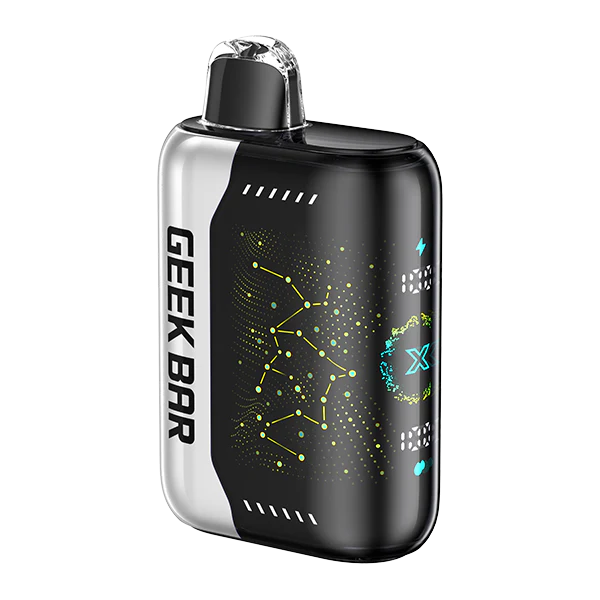
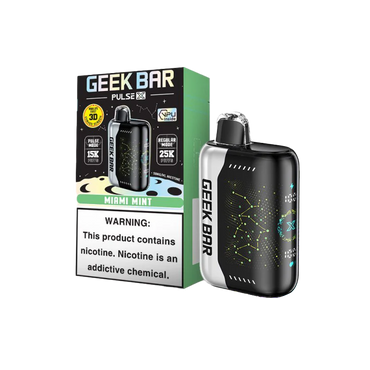
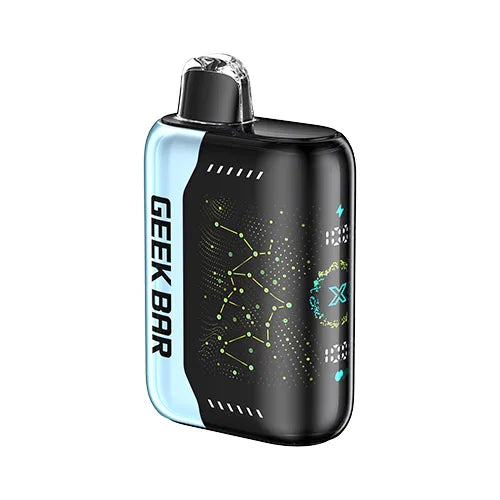
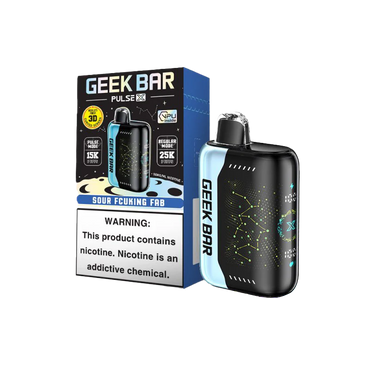
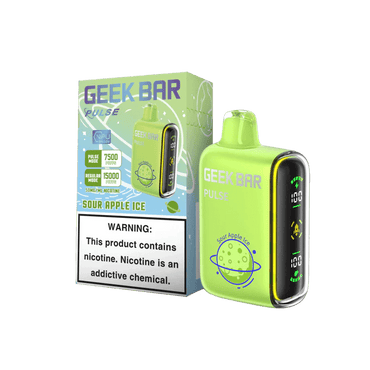
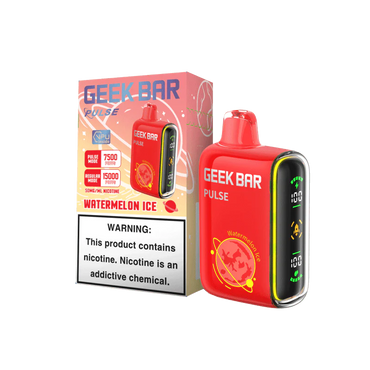
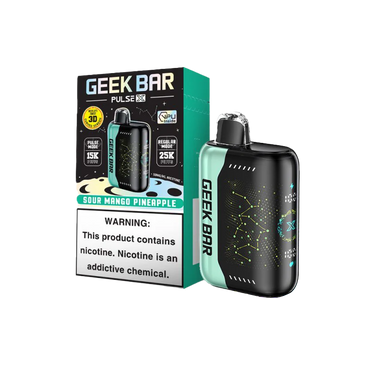
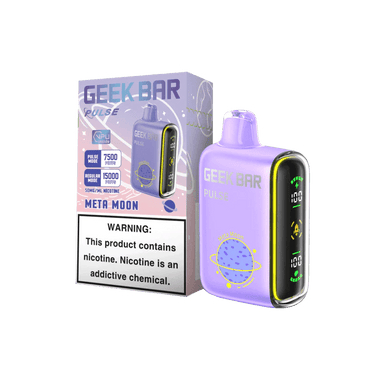
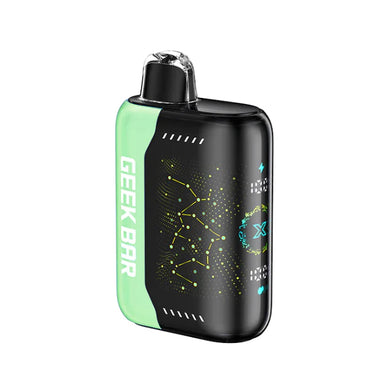
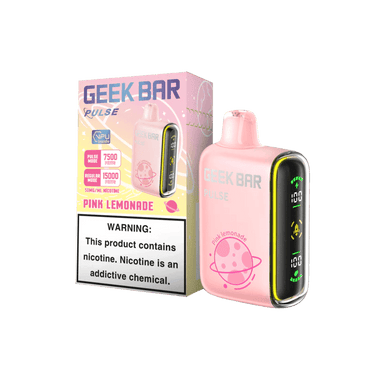
2020-2023: The high-capacity disposable era began. Manufacturers like Geek Bar, Raz, and Vozol released devices offering 15,000-30,000 puffs. Advanced features included mesh coils for superior flavor, LED screens displaying battery and e-liquid levels, and adjustable airflow for customized experiences.
2024-Present: Modern devices push technological boundaries with 50,000+ puff counts, dual-tank systems, and smart features. Products like the Lost Mary Nera Fullview 70K and JNR Stellarc 100K represent the pinnacle of vaping innovation—devices Hon Lik could scarcely have imagined when he filed his patent in 2003.
Today's vaping landscape offers unprecedented variety: from simple disposable vapes perfect for beginners to sophisticated rechargeable systems for enthusiasts. Popular flavors range from classic tobacco to exotic fruit blends, with brands like Off Stamp, Tyson 2.0, and Pyne Pod offering unique innovations.
Conclusion
The history of vaping spans from Joseph Robinson's 1927 patent to today's cutting-edge 50,000+ puff devices, but the true revolution began with Hon Lik's 2003 invention. Motivated by personal tragedy and armed with pharmaceutical expertise, Hon Lik transformed a century-old concept into a practical reality that has since helped millions of smokers worldwide find alternatives to combustible tobacco.
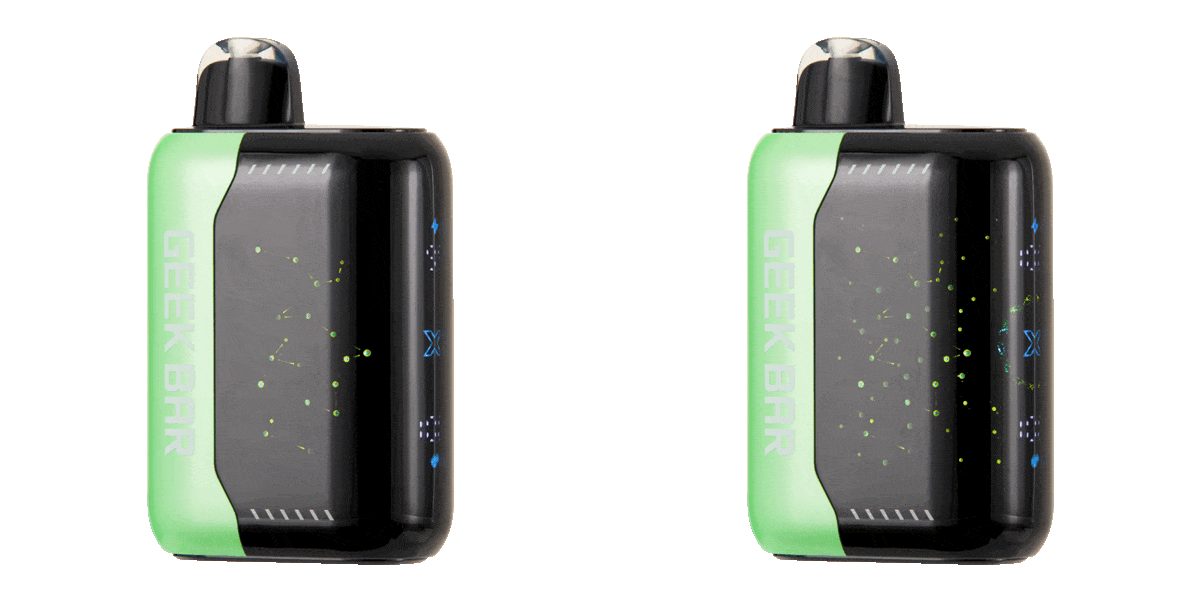
From Hon Lik's original ultrasonic prototype to modern marvels like the Geek Bar Pulse X 25000 and Vozol Rave 50000, vaping technology has undergone remarkable evolution. What began as a simple three-component device has evolved into sophisticated systems featuring mesh coils, LED screens, adjustable airflow, and unprecedented puff counts.
Whether you're interested in exploring the latest disposable vapes, pod systems, or vape juice, understanding vaping's history provides valuable context for appreciating modern innovations. Browse our complete selection of best-selling products and discover how far vaping has come since Hon Lik's groundbreaking 2003 invention.