Which Vape Packs the Most Nicotine? A Science-Based Guide for 2026
Key Takeaways:
- Pod systems and disposable vapes using nicotine salt e-liquids deliver the highest nicotine concentrations, typically at 50 mg/mL (5%) in the U.S. market.
- Nicotine salt formulations allow higher concentrations with less throat irritation than freebase nicotine, which is why they dominate high-nicotine devices.
- As of early 2026, only 39 e-cigarette products have received FDA marketing authorization in the U.S. The vast majority of disposable vapes on the market have not been authorized.
- No form of nicotine is safe. All nicotine products carry risks of dependence and cardiovascular effects. If you do not currently use nicotine, do not start.
Vaping has become the most common alternative to combustible cigarettes in the United States, with approximately 6.5% of American adults reporting e-cigarette use in recent CDC surveys. For adult smokers considering a switch, understanding nicotine delivery across different devices is an important factor in choosing a product that satisfies cravings without overshooting personal tolerance.
This guide breaks down nicotine concentrations across vape types, explains the science behind nicotine salt versus freebase formulations, and identifies which devices deliver the most nicotine per puff. We also cover the current regulatory landscape as of early 2026, so you can make informed decisions about both nicotine strength and product legality.
How Nicotine Strength Is Measured in Vapes
Nicotine concentration in e-liquids is expressed in milligrams per milliliter (mg/mL). You will also see it written as a percentage: 5% nicotine equals 50 mg/mL. The higher the number, the more nicotine is dissolved in each milliliter of liquid. However, concentration alone does not determine how much nicotine your body actually absorbs. Device power, coil resistance, puff duration, and nicotine formulation all play a role.
Here is a reference table of common nicotine strengths and their typical use cases:
| Concentration | Percentage | Typical Use Case |
|---|---|---|
| 0 mg/mL | 0% | Nicotine-free; used by those who have weaned off nicotine or enjoy vaping purely for flavor |
| 3 mg/mL | 0.3% | Very low; common in sub-ohm/direct-lung setups where large vapor volume compensates for low concentration |
| 6 mg/mL | 0.6% | Low; suitable for light smokers or those stepping down from higher strengths |
| 12–18 mg/mL | 1.2–1.8% | Medium to high; used in mouth-to-lung devices with freebase nicotine e-liquids |
| 20 mg/mL | 2% | Standard nicotine salt strength in the EU (regulatory maximum); common in UK/EU pod systems |
| 35–50 mg/mL | 3–5% | High; standard for U.S. nicotine salt pod systems and disposable vapes; intended for heavy smokers transitioning away from cigarettes |
Nicotine Salt vs. Freebase Nicotine: Why It Matters
The type of nicotine formulation in an e-liquid has a significant impact on how much nicotine your body absorbs and how the experience feels. Understanding this distinction is essential for evaluating which vape truly delivers the most nicotine.
Freebase Nicotine
Freebase nicotine is the traditional form used in e-liquids since the earliest commercial e-cigarettes appeared around 2003. It is nicotine in its purest, unprotonated chemical state. At lower concentrations (3–12 mg/mL), freebase nicotine works well with high-power sub-ohm devices that produce large clouds. However, at higher concentrations, freebase nicotine produces a harsh, bitter throat hit that most users find unpleasant, which effectively caps practical freebase concentrations around 18–24 mg/mL.
Freebase nicotine is absorbed somewhat more slowly into the bloodstream than nicotine salts, though research findings vary depending on device type and usage patterns. A peer-reviewed randomized crossover study published in Nicotine & Tobacco Research (2024) noted that device characteristics and formulation both significantly affect absorption rates.
Nicotine Salt
Nicotine salts were popularized commercially by JUUL starting around 2015. The formulation adds an organic acid (typically benzoic acid) to nicotine, lowering the pH and creating a protonated salt form. This chemical change makes high-concentration nicotine smooth enough to inhale comfortably, enabling concentrations of 50 mg/mL or higher without excessive throat irritation.
A randomized clinical trial published in JAMA Network Open found that salt nicotine formulations produced statistically significant higher ratings of appeal, smoothness, and sweetness compared to freebase formulations, while also scoring lower on bitterness and harshness. This sensory profile is what allows pod systems and disposables to deliver far more nicotine per puff than traditional setups.
However, the efficiency of nicotine salt delivery raises legitimate health concerns. Because nicotine salts are smoother at high concentrations, users may consume more nicotine without realizing it, which can accelerate dependence. Research published in the journal Drug and Alcohol Dependence suggests that switching from freebase to nicotine salt e-liquids is associated with higher levels of e-cigarette dependence.
Vape Types and Their Nicotine Content
Pod Systems
Pod systems are compact, low-power devices designed for mouth-to-lung vaping. They use pre-filled or refillable pods, almost always with nicotine salt e-liquid. In the U.S., the standard nicotine concentration for pod systems is 50 mg/mL (5%), though some offer 35 mg/mL (3%) options. The EU caps nicotine concentration at 20 mg/mL for all e-liquids, so pod systems sold in Europe deliver less nicotine per puff.
Notable FDA-authorized pod systems include the JUUL (authorized July 2025 in tobacco and menthol flavors at both 3% and 5% strengths) and the NJOY Ace. These are among only 39 e-cigarette products that have received FDA marketing granted orders as of early 2026.
Disposable Vapes
Disposable vapes are single-use, pre-filled devices that have dominated the consumer vaping market since 2020. In 2026, high-puff-count disposables offering 20,000 to 50,000 puffs have become the norm, with some devices claiming up to 100,000 puffs. Nearly all use nicotine salt e-liquid at 50 mg/mL (5%), making them comparable to pod systems in nicotine delivery per puff.
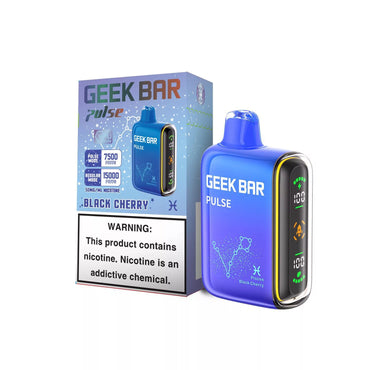
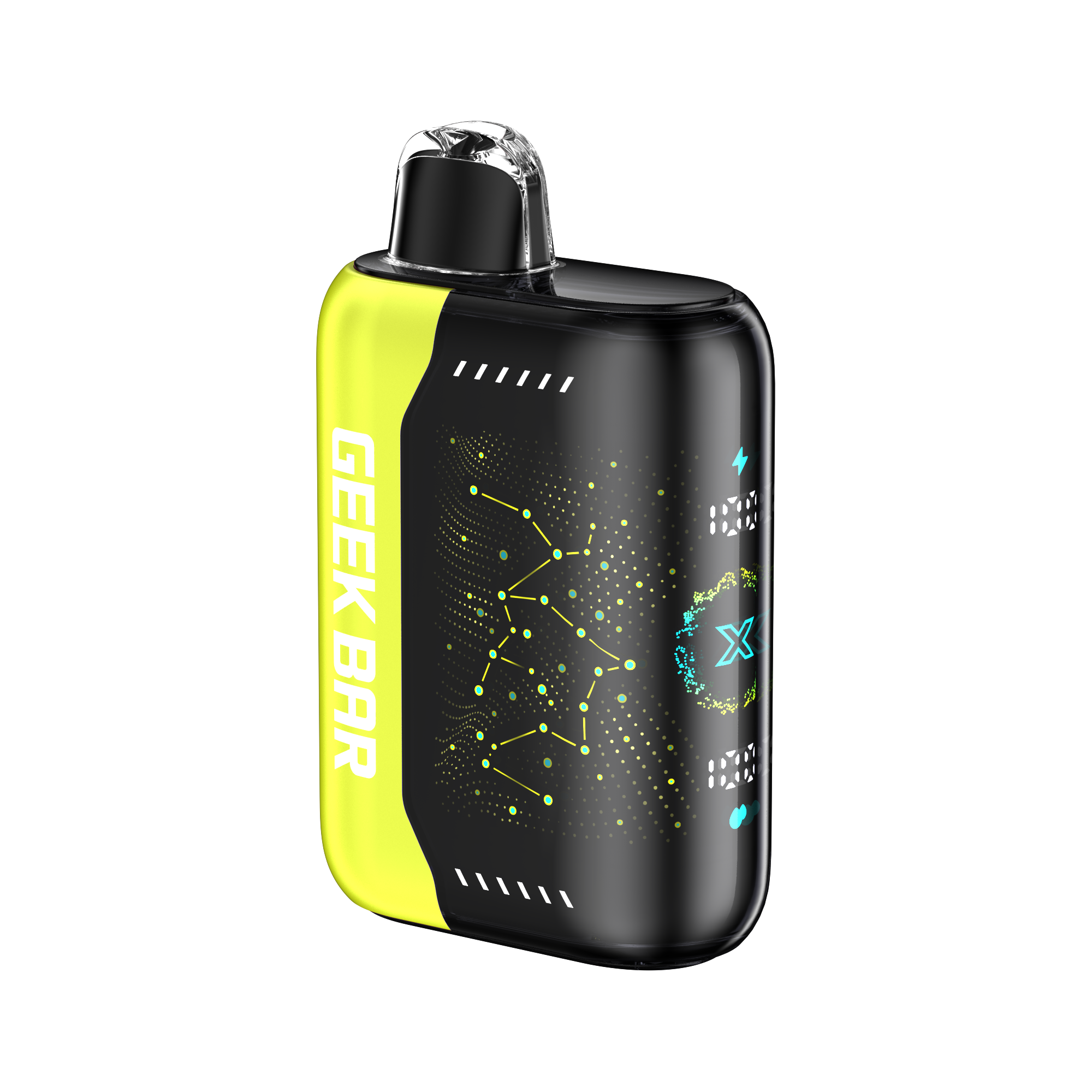
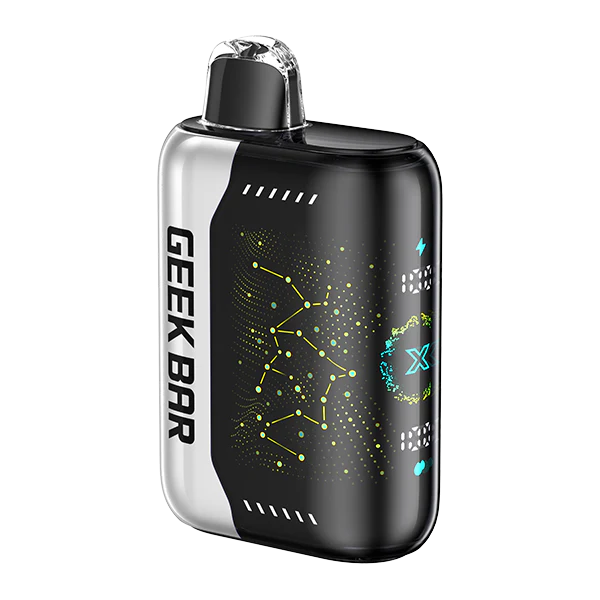
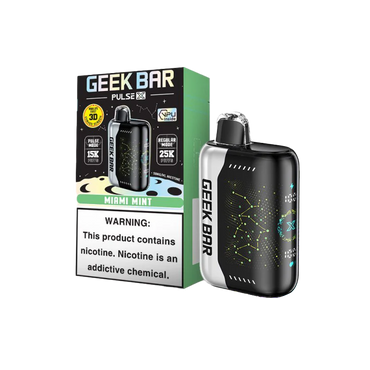
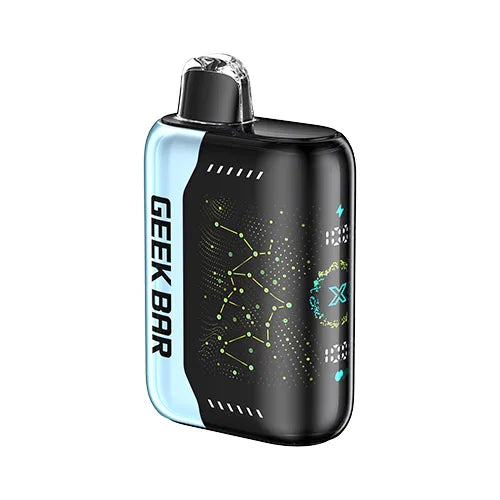
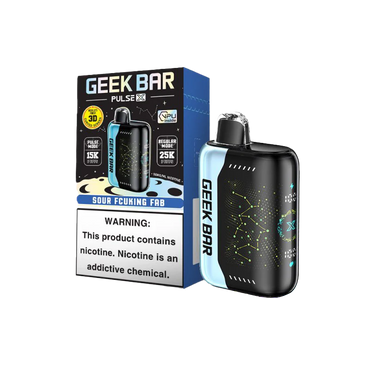
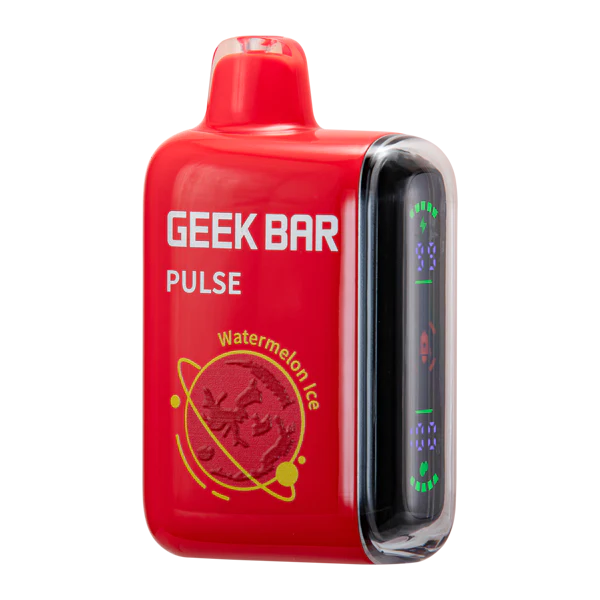
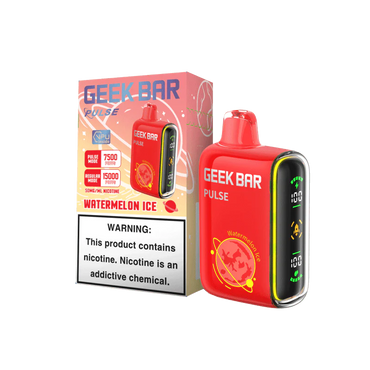
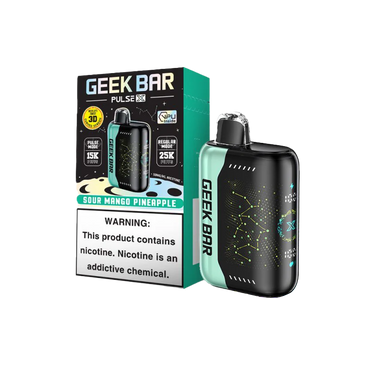
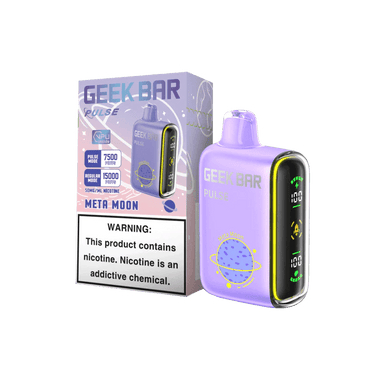
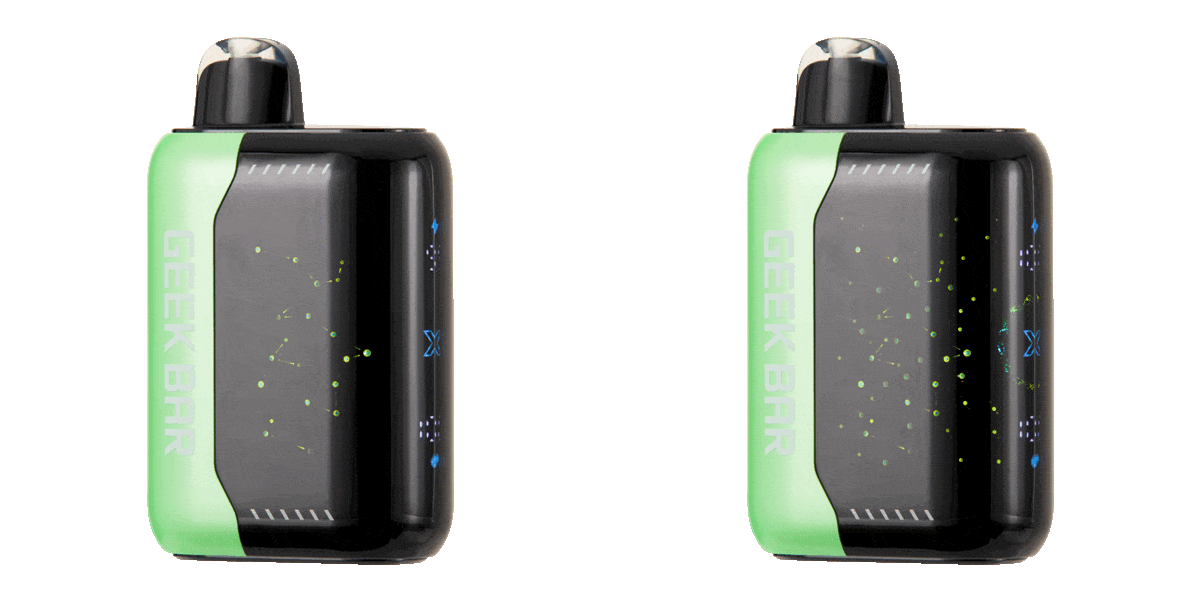
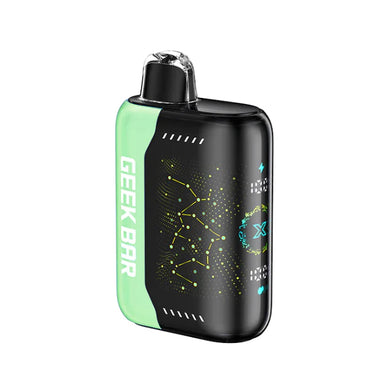
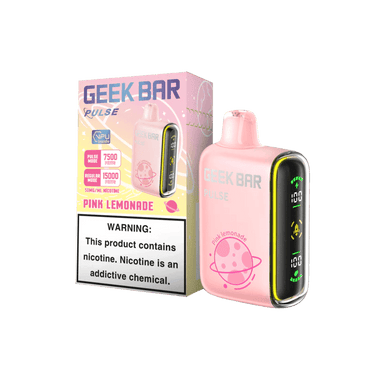
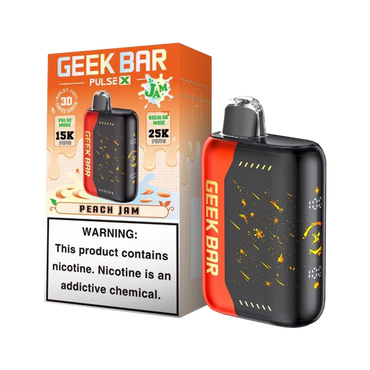
Popular brands in this category include the RAZ RX50K, Geek Bar Pulse X, Lost Mary, and Fifty Bar. Some newer devices offer adjustable wattage and dual-mode settings that can alter vapor production and, consequently, nicotine delivery per puff. Higher-power boost modes increase the amount of e-liquid vaporized, effectively delivering more nicotine per puff even at the same concentration.
Important regulatory note: The vast majority of disposable vapes sold in the U.S. have not received FDA marketing authorization through the Premarket Tobacco Product Application (PMTA) process. Products without authorization are technically being marketed illegally, regardless of how widely they are available at retail. The FDA has increased enforcement efforts, including a joint operation with U.S. Customs and Border Protection that seized $86.5 million worth of illegal e-cigarettes.
Box Mods and Sub-Ohm Tanks
Box mods paired with sub-ohm tanks represent the advanced end of vaping hardware. These devices use high-wattage coils (often below 1 ohm resistance) that vaporize large volumes of e-liquid per puff. They typically use freebase nicotine e-liquids at 3–6 mg/mL because the sheer volume of vapor produced compensates for the lower concentration.
While the nicotine concentration per milliliter is much lower than pod systems, the total nicotine consumed per session can be comparable because sub-ohm devices vaporize significantly more liquid with each puff. A single draw from a sub-ohm setup at 3 mg/mL can deliver a similar amount of total nicotine as a draw from a pod system at 50 mg/mL, depending on wattage, coil type, and inhalation style.
Nicotine-Free and Alternative Formulations
A growing segment of the 2026 market includes nicotine-free alternatives. Products like Nixodine, Metatine, and NoNic6 use non-nicotine active ingredients designed to provide a sensory experience similar to nicotine without the substance itself. These are marketed to adults who already use nicotine and want to transition away from it. Zero-nicotine e-liquids with no active ingredients are also widely available.
Which Vape Actually Delivers the Most Nicotine?
If we define "most nicotine" strictly by concentration, pod systems and disposable vapes using nicotine salt at 50 mg/mL are the clear leaders. Some markets outside the U.S. have seen concentrations even higher, though the EU limits products to 20 mg/mL.
However, total nicotine delivery per session depends on more than just concentration. Here is how the major device types compare:
| Device Type | Typical Nic Strength | Nicotine Type | Vapor Volume | Effective Nic Delivery |
|---|---|---|---|---|
| Pod System | 35–50 mg/mL | Nicotine Salt | Low | Very High per puff |
| Disposable | 50 mg/mL | Nicotine Salt | Low–Medium | Very High per puff |
| Sub-Ohm Mod | 3–6 mg/mL | Freebase | Very High | Moderate–High per session |
| Cig-a-Like | 10–20 mg/mL | Varies | Very Low | Moderate per puff |
In practical terms, a heavy user of a high-puff-count disposable at 5% nicotine salt can consume substantially more nicotine in a day than a typical cigarette smoker, given that disposables are designed for frequent, convenient use throughout the day with no preparation or maintenance required.
The 2026 Regulatory Landscape
The regulatory environment for nicotine vaping products is evolving rapidly. Here are the key developments as of March 2026:
- FDA PMTA Process: All e-cigarette products require FDA marketing authorization to be legally sold in the U.S. As of early 2026, only 39 e-cigarettes have been authorized. Thousands of products remain on the market without authorization.
- JUUL Authorization: In July 2025, the FDA granted marketing authorization to JUUL for its device and pods in Virginia Tobacco and Menthol flavors at 3% (35 mg/mL) and 5% (59 mg/mL) nicotine strengths. JUUL is only the second manufacturer to receive FDA authorization for menthol-flavored products.
- Flavored ENDS Guidance: On March 9, 2026, the FDA issued new draft guidance clarifying how it evaluates flavored vaping product applications, acknowledging that non-tobacco flavors may benefit adult smokers while maintaining high evidentiary standards for youth risk.
- Youth Vaping Trends: The 2025 National Youth Tobacco Survey data shows youth vaping rates have continued to decline substantially from their 2019 peak, falling to 5.2% among middle and high school students combined.
- State-Level Action: Multiple states are considering or have enacted flavor bans, increased excise taxes on vapor products, and PMTA registry bills that restrict sales to only FDA-authorized products. California's statewide flavor ban is already in effect.
- Nicotine Alternatives: Products using non-nicotine active ingredients (Nixodine, Metatine) are gaining market share, particularly in states with strict nicotine product regulations.
Health Considerations and Risks
No nicotine product is safe. The FDA has been explicit that marketing authorization does not mean a product is safe or "FDA approved." Nicotine is a highly addictive substance that affects heart rate, blood pressure, and brain development in people under 25. If you do not currently use nicotine products, the best course of action is not to start.
For current smokers, the scientific consensus is that vaping is likely less harmful than combustible cigarettes because it eliminates tar, carbon monoxide, and many of the carcinogens produced by tobacco combustion. However, e-cigarettes are not harmless, and the long-term health effects of vaping are still being studied. The FDA evaluates authorized products under a population-level standard: whether the benefits to adult smokers who switch outweigh the risks to youth and non-users.
Higher-nicotine formulations carry specific risks. Nicotine salt e-liquids at 50 mg/mL deliver substantial doses that can produce symptoms of nicotine overconsumption (nausea, dizziness, headache) in users with low tolerance. Research also suggests that the smooth delivery profile of nicotine salts may mask how much nicotine a user is consuming, which can contribute to escalating dependence.
If you are using vaping as a tool to quit smoking, the goal should be to gradually reduce nicotine intake over time. Starting at a strength that satisfies cigarette cravings, then stepping down, is a common and evidence-supported approach. Consulting a healthcare provider about smoking cessation is always recommended.
How to Choose the Right Nicotine Strength
Selecting the appropriate nicotine strength depends on your current smoking habits, device type, and personal sensitivity. Here are general guidelines based on tobacco use patterns:
- Heavy smokers (20+ cigarettes/day): A pod system or disposable with 50 mg/mL nicotine salt is typically the starting point recommended by vaping specialists for this group, as it most closely replicates the nicotine delivery of combustible cigarettes.
- Moderate smokers (10–20 cigarettes/day): Either 35 mg/mL nicotine salt in a pod system or 12–18 mg/mL freebase in a mouth-to-lung device may provide sufficient satisfaction.
- Light smokers (fewer than 10 cigarettes/day): Lower nicotine salt concentrations (20 mg/mL) or freebase nicotine at 6–12 mg/mL are often appropriate.
- Sub-ohm/cloud vapers: Stick with 3–6 mg/mL freebase nicotine. Using nicotine salt at high concentrations in sub-ohm devices is dangerous, as the high vapor volume would deliver an excessive and potentially harmful nicotine dose.
- Non-smokers: Do not use nicotine products. If you are interested in vaping for flavor alone, 0 mg/mL options exist.
The Bottom Line
Pod systems and disposable vapes using nicotine salt e-liquids at 50 mg/mL represent the highest-concentration nicotine delivery available in the consumer vaping market. They achieve this through the chemistry of nicotine salt, which makes high concentrations palatable, combined with low-power devices optimized for mouth-to-lung inhalation.
However, higher nicotine is not inherently better. The right strength is the one that helps you manage cravings without overconsumption. For adult smokers looking to transition away from cigarettes, starting with a higher-nicotine device and progressively stepping down remains the most commonly recommended approach by harm reduction advocates and healthcare professionals.
Always verify that the products you purchase are legally authorized, be aware of your local regulations, and consult a healthcare provider if you have questions about nicotine use and smoking cessation.
Editorial Note
This guide was written and fact-checked by the editorial team at OnlineVapeShop.us, a U.S.-based retailer that has served adult vaping consumers since 2019. Our team includes staff with direct experience in tobacco retail compliance, FDA regulations, and state vaping laws. We reference official sources including the FDA, CDC, and peer-reviewed research throughout this article.
This article is written for informational purposes for adult smokers and current nicotine users. It is not medical advice. The information presented is based on peer-reviewed research, FDA public announcements, and published industry data current as of March 2026. Specific sources referenced include:
- FDA Center for Tobacco Products — authorized e-cigarette product database and PMTA guidance (fda.gov)
- Leventhal AM et al., "Effect of Exposure to e-Cigarettes With Salt vs Free-Base Nicotine," JAMA Network Open, 2021
- Baassiri M et al., "Pharmacokinetics and Pharmacodynamics of Inhaled Nicotine Salt and Free-Base Using an E-cigarette," Nicotine & Tobacco Research, 2024
- 2025 National Youth Tobacco Survey data, CDC
- Congressional Research Service report R48483, "U.S. FDA Regulation of Electronic Nicotine Delivery Systems," April 2025
If you are struggling with nicotine dependence or want to quit smoking, contact the national quitline at 1-800-QUIT-NOW or visit smokefree.gov for free support resources.
Disclaimer: This article is for informational purposes only and does not constitute legal or medical advice. Vaping laws change frequently at the federal, state, and local levels. Always consult current statutes or a legal professional for the most up-to-date regulations in your area. If you have health concerns about nicotine or vaping, consult a licensed healthcare provider.
WARNING: This product contains nicotine. Nicotine is an addictive chemical. Products sold on this website are intended for adults 21 years of age or older.